Pasta With Tomato Sauce VS Pasta Shells
A detailed nutritional comparison
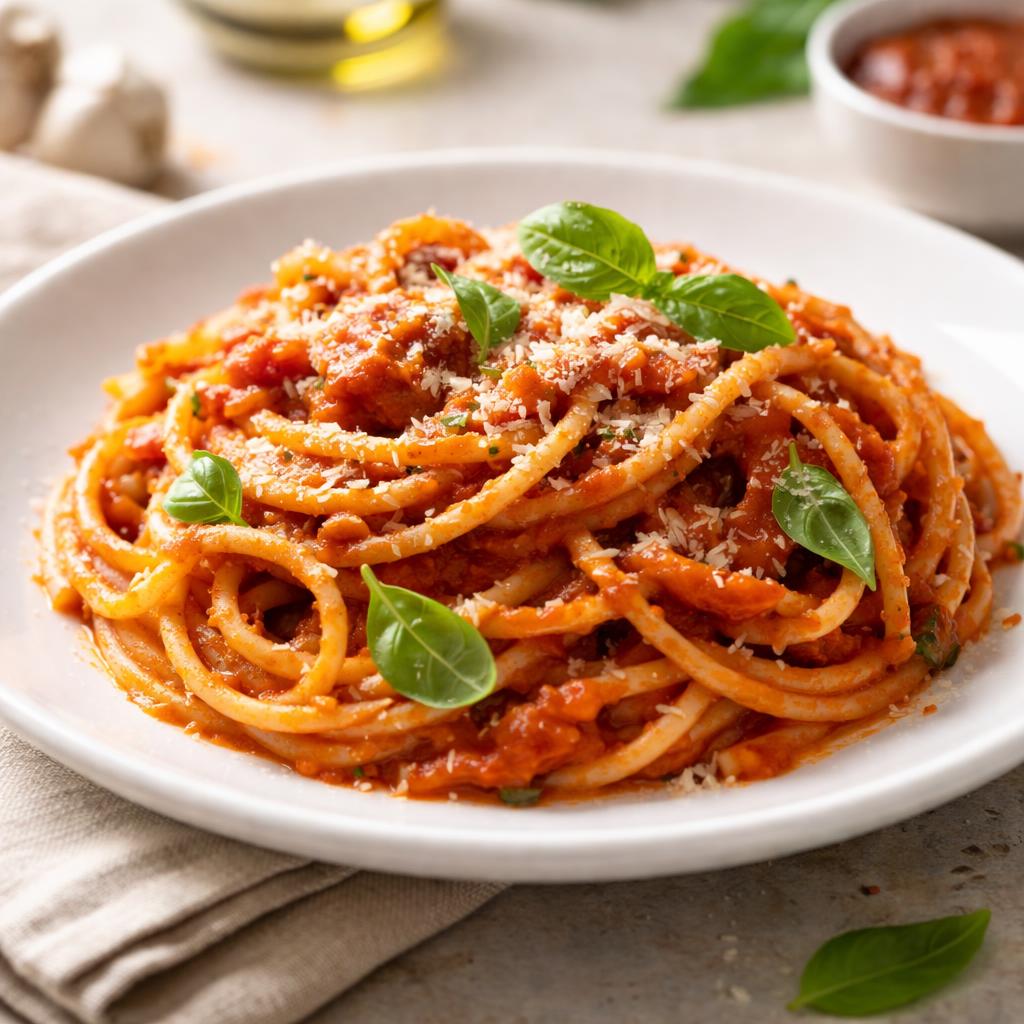
Pasta With Tomato Sauce
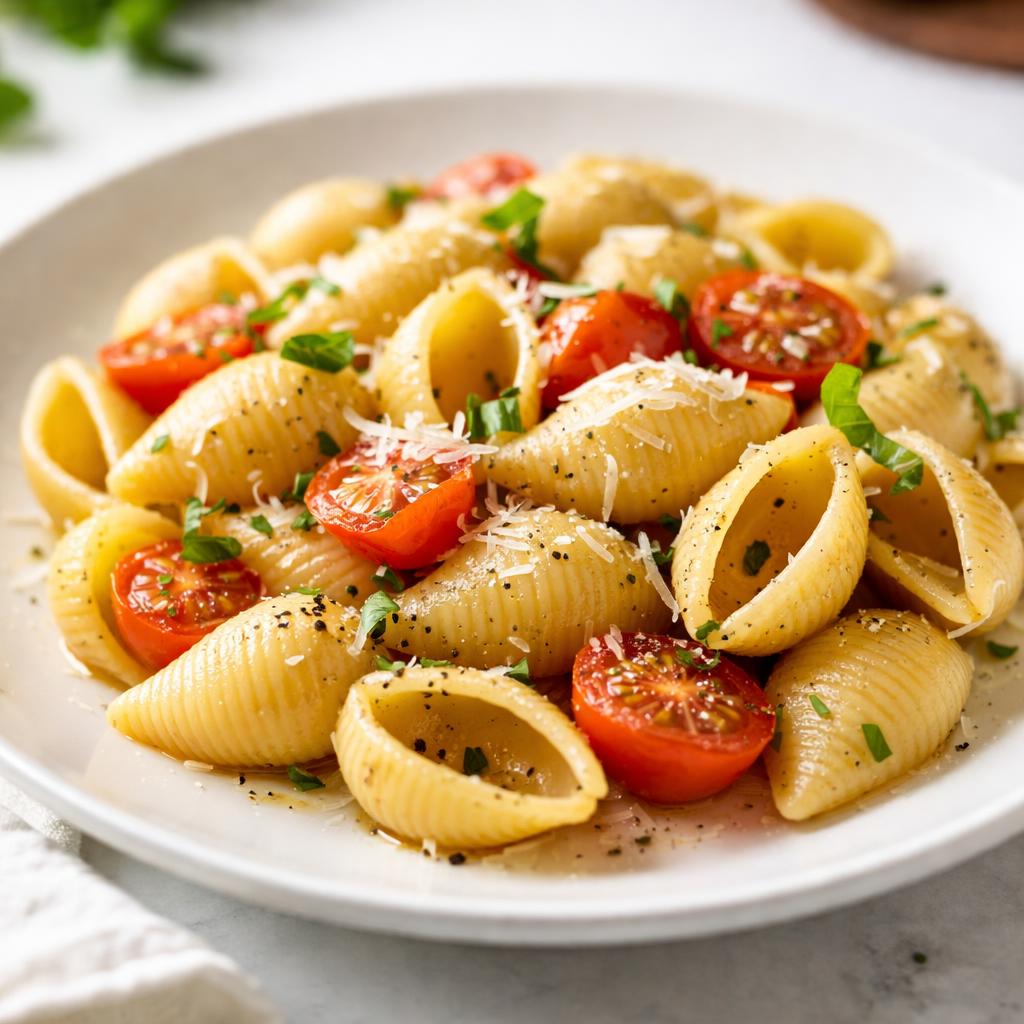
Pasta Shells
🎯 Quick Verdict
Pasta with tomato sauce (food1) is more nutrient-dense, offering higher protein, fiber, and vitamins due to the tomato sauce, making it ideal for balanced meals. Pasta shells (food2) are lower in calories and suitable for lighter meals or as a base for customized dishes. Food1 is best for those seeking satiety and essential nutrients, while food2 may fit into calorie-focused diets or simpler dishes.

Smart Nutrition Tracking with SnapCalorie

📊 Nutritional Comparison
Macronutrients
| Nutrient | Food 1 | Food 2 | Winner |
|---|---|---|---|
| Calories | 230 per cup | 200 per cup | ✓ |
| Protein | 8g | 7g | ✓ |
| Carbs | 44g | 40g | ✓ |
| Fat | 2g | 1g | ✓ |
| Fiber | 4g | 2g | ✓ |
Vitamins & Minerals
| Nutrient | Food 1 | Food 2 | Winner |
|---|---|---|---|
| Vitamin C | 15mg | 0mg | ✓ |
| Vitamin A | 100mcg | 0mcg | ✓ |
| Calcium | 25mg | 10mg | ✓ |
| Iron | 2mg | 1mg | ✓ |
🏆 Category Winners
Protein
Food1 contains 14% more protein due to the tomato sauce.
Fiber
Food1 has double the fiber content (4g vs 2g).
Calories
Food2 has 13% fewer calories per serving.
Vitamins
Food1 is richer in vitamins, mainly Vitamin C and Vitamin A from tomatoes.
🥗 Diet Compatibility
Keto
Food 1: Not Compatible
Food 2: Not Compatible
Both foods are high in carbohydrates.
Vegan
Food 1: Compatible
Food 2: Compatible
Neither food contains animal products.
Gluten Free
Food 1: Not Compatible
Food 2: Not Compatible
Both are made from wheat-based pasta.
Paleo
Food 1: Not Compatible
Food 2: Not Compatible
Processed pasta is not paleo-compliant.
Low-Carb
Food 1: Not Compatible
Food 2: Not Compatible
Both foods contain high levels of carbohydrates.
💪 Health Benefits Comparison
Food 1 Benefits
- Rich in antioxidants from tomatoes for fighting free radicals
- Higher fiber content to aid in digestion and satiety
- Contains Vitamin C and Vitamin A to support immune health
Food 2 Benefits
- Lower calorie option for weight management
- Simple composition makes it versatile for various dishes
- Provides essential carbohydrates for energy
✅ The Bottom Line
Pasta with tomato sauce is the more nutrient-dense choice with higher protein, fiber, and vitamins, making it suitable for balanced meals that provide satiety and essential nutrients. Pasta shells are lighter in calories and more versatile, lending themselves to minimal or customized dishes. Choose food1 for a hearty and healthier meal, and food2 for simpler or calorie-conscious dishes.
Choose Food 1 for: Balanced, nutrient-rich meals; digestion support; immune health
Choose Food 2 for: Light meals; calorie-controlled diets; customizable recipes


