Pasta VS Wholewheat Bread
A detailed nutritional comparison
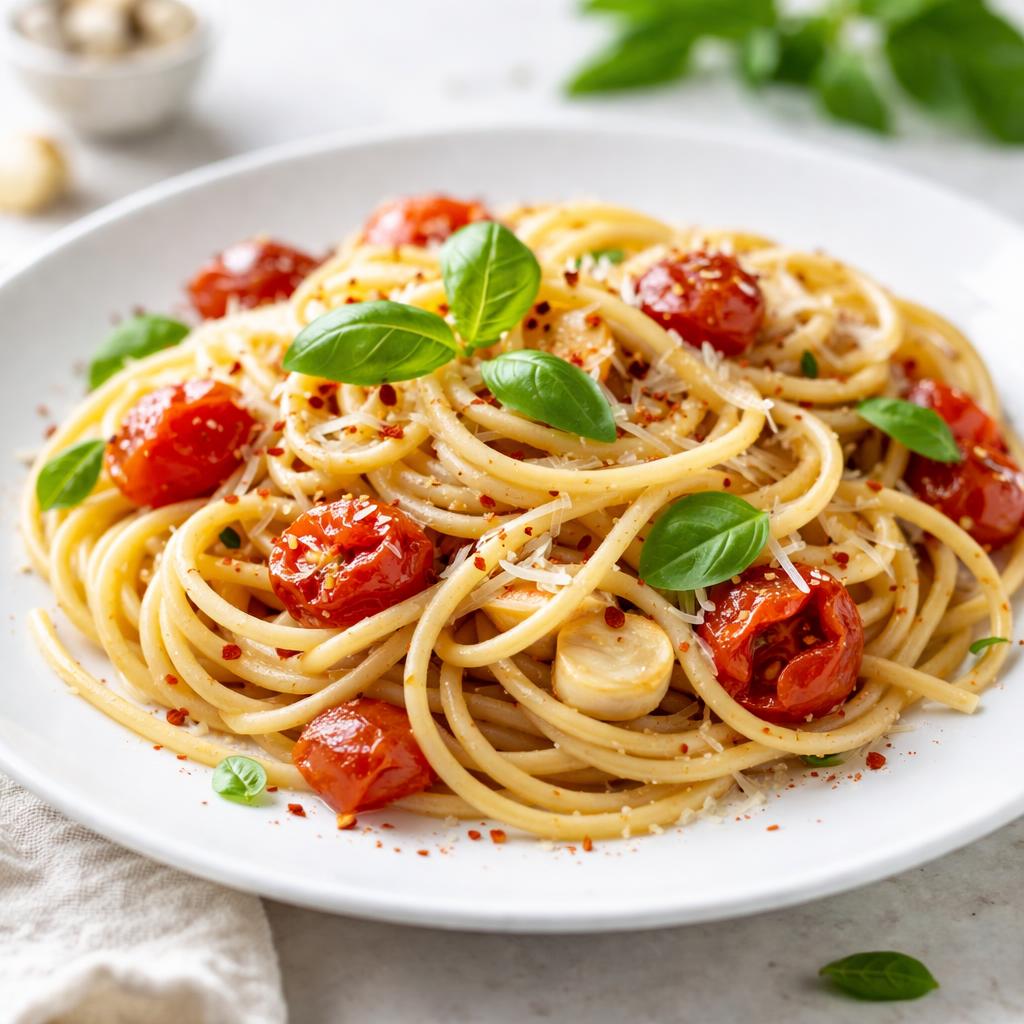
Pasta
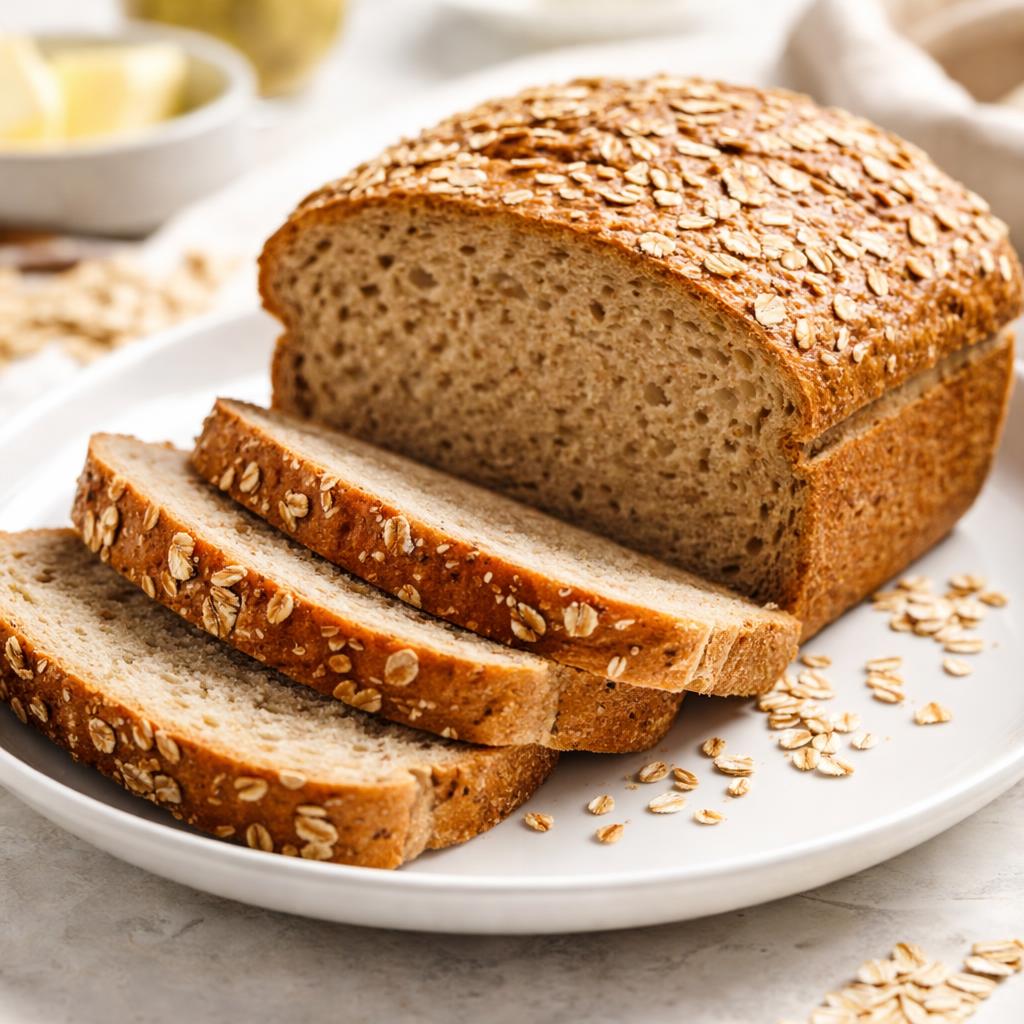
Wholewheat Bread
🎯 Quick Verdict
Wholewheat bread (food2) edges out pasta (food1) in terms of protein and fiber, making it a better option for sustained energy and digestion. Pasta, however, is lower in calories per serving, making it a potentially better choice for weight loss when portioned carefully. Both are excellent carbohydrate sources but serve different dietary goals.

Smart Nutrition Tracking with SnapCalorie

📊 Nutritional Comparison
Macronutrients
| Nutrient | Food 1 | Food 2 | Winner |
|---|---|---|---|
| Calories | 160 | 110 | ✓ |
| Protein | 5g | 7g | ✓ |
| Carbs | 32g | 17g | ✓ |
| Fat | 1g | 2g | ✓ |
| Fiber | 2g | 3.6g | ✓ |
Vitamins & Minerals
| Nutrient | Food 1 | Food 2 | Winner |
|---|---|---|---|
| Vitamin D | 0mcg | 0mcg | − |
| Calcium | 10mg | 30mg | ✓ |
| Iron | 1.3mg | 0.9mg | ✓ |
🏆 Category Winners
Protein
Wholewheat bread provides 40% more protein per serving than pasta.
Fiber
Wholewheat bread delivers 80% more fiber per serving.
Calories
Wholewheat bread contains 30% fewer calories per serving compared to pasta.
Vitamins
Wholewheat bread offers higher calcium content, beneficial for bone health.
🥗 Diet Compatibility
Keto
Food 1: Not Compatible
Food 2: Not Compatible
Both foods are high in carbs.
Vegan
Food 1: Compatible
Food 2: Compatible
Both are plant-based foods.
Gluten Free
Food 1: Not Compatible
Food 2: Not Compatible
Both contain gluten.
Paleo
Food 1: Not Compatible
Food 2: Not Compatible
Neither conforms to the Paleo diet due to their processed grains content.
Low Carb
Food 1: Not Compatible
Food 2: Not Compatible
Both foods are too high in carbohydrates for a typical low-carb diet.
💪 Health Benefits Comparison
Food 1 Benefits
- Excellent source of complex carbohydrates for energy
- Contains iron to support oxygen transport in the body
- Low in fat, making it suitable for fat-restricted diets
Food 2 Benefits
- Rich in fiber for improved digestion and satiety
- Higher protein content aids in muscle maintenance and repair
- Provides calcium, supporting bone health
✅ The Bottom Line
Choose pasta (food1) if you’re looking for an energy-dense meal for physical activity or endurance sports, as it provides more carbs. Wholewheat bread (food2) is ideal for a more balanced nutritional profile, with higher protein and fiber content, perfect for maintaining long-term energy and promoting digestive health.
Choose Food 1 for: Endurance sports meals, weight gain diets, energy boosts
Choose Food 2 for: General health, high-protein diets, digestive wellness


