Pasta VS Whole Wheat Spaghetti
A detailed nutritional comparison
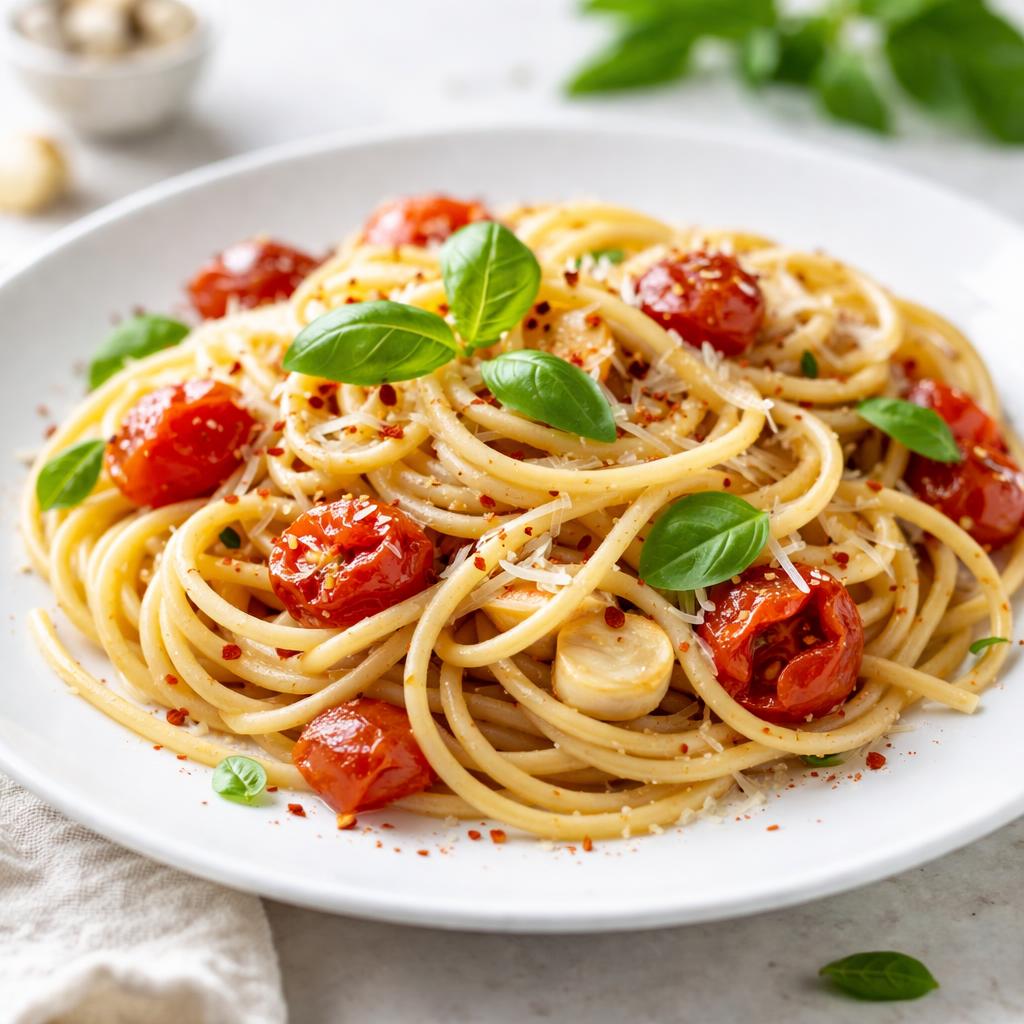
Pasta
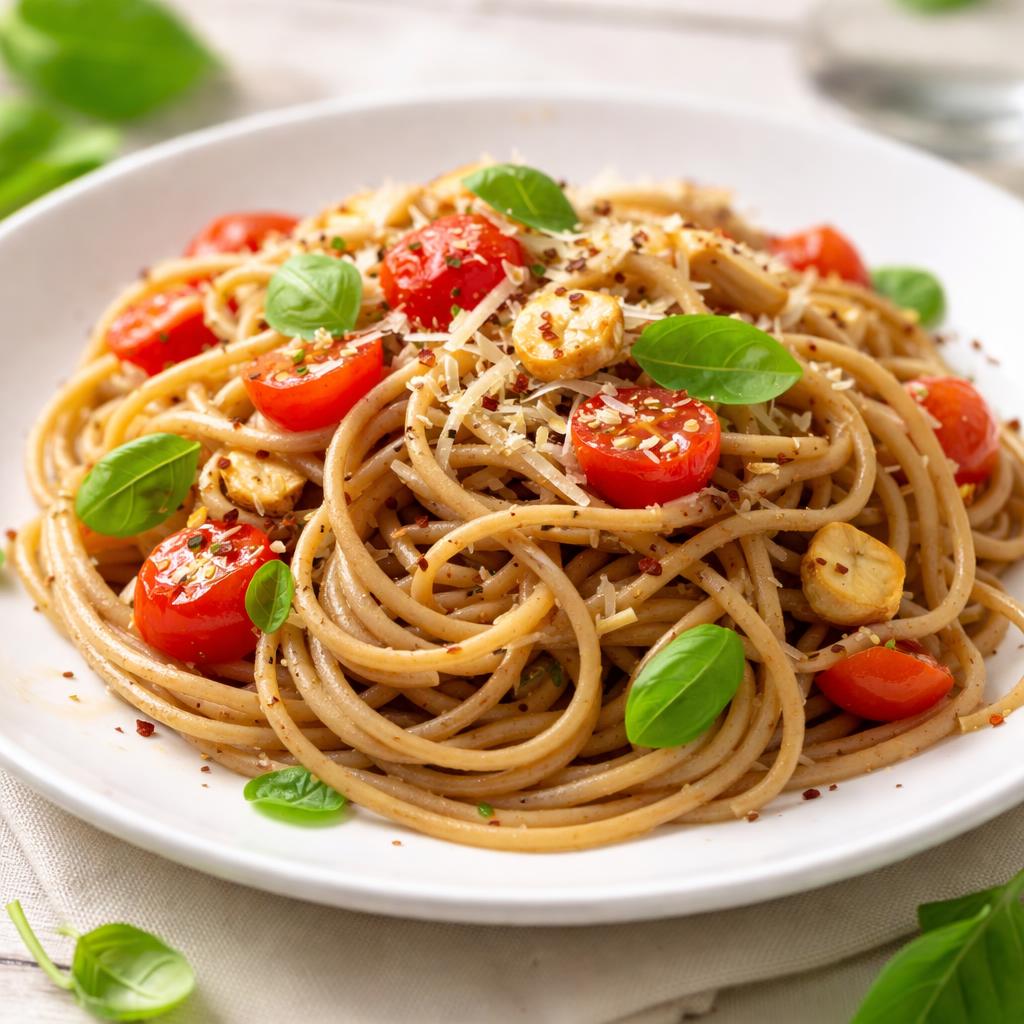
Whole Wheat Spaghetti
🎯 Quick Verdict
Whole wheat spaghetti outperforms regular pasta in fiber and micronutrient content, offering a healthier alternative for those seeking more nutrients and digestive support. Regular pasta is slightly lower in calories, making it better suited for calorie-restricted diets, but it is less nutritionally dense overall.

Smart Nutrition Tracking with SnapCalorie

📊 Nutritional Comparison
Macronutrients
| Nutrient | Food 1 | Food 2 | Winner |
|---|---|---|---|
| Calories | 220 | 210 | ✓ |
| Protein | 7g | 7g | − |
| Carbs | 43g | 41g | ✓ |
| Fat | 1g | 1g | − |
| Fiber | 2g | 6g | ✓ |
Vitamins & Minerals
| Nutrient | Food 1 | Food 2 | Winner |
|---|---|---|---|
| Vitamin D | 0mcg | 0mcg | − |
| Calcium | 0mg | 20mg | ✓ |
| Iron | 1.2mg | 2mg | ✓ |
🏆 Category Winners
Protein
Both foods contain equal protein levels at 7g per serving.
Fiber
Whole wheat spaghetti contains three times more fiber than regular pasta, supporting digestive health.
Calories
Whole wheat spaghetti is slightly lower in calories, with 10 fewer calories per serving.
Vitamins
Whole wheat spaghetti is richer in minerals like calcium and iron, making it beneficial for bone health and oxygen transport.
🥗 Diet Compatibility
Keto
Food 1: Not Compatible
Food 2: Not Compatible
Both are high in carbohydrates and unsuitable for keto diets.
Vegan
Food 1: Compatible
Food 2: Compatible
Neither contains animal products, suitable for vegan diets.
Gluten Free
Food 1: Not Compatible
Food 2: Not Compatible
Both contain gluten and are unsuitable for gluten-free diets.
Paleo
Food 1: Not Compatible
Food 2: Not Compatible
Neither aligns with paleo guidelines due to grain-based ingredients.
Low-Carb
Food 1: Not Compatible
Food 2: Not Compatible
Both are high in carbohydrates, making them unsuitable for low-carb diets.
💪 Health Benefits Comparison
Food 1 Benefits
- Quick energy source due to high carbohydrate content
- Lower calorie option in comparison
- Simple and versatile meal base
Food 2 Benefits
- Rich in fiber for improved digestion and gut health
- Contains more calcium and iron for stronger bones and better oxygen transport
- Slightly lower glycemic index for steadier blood sugar control
✅ The Bottom Line
Choose whole wheat spaghetti (food2) for better fiber content, additional vitamins, and long-term nutritional benefits. Regular pasta (food1) is better suited for calorie-conscious eaters and those looking for a simple energy boost.
Choose Food 1 for: Calorie-restricted diets, versatility in recipes, quick energy meals
Choose Food 2 for: Digestive health, nutrient-dense meals, steady energy release


