Pasta VS Whole Wheat Pasta
A detailed nutritional comparison
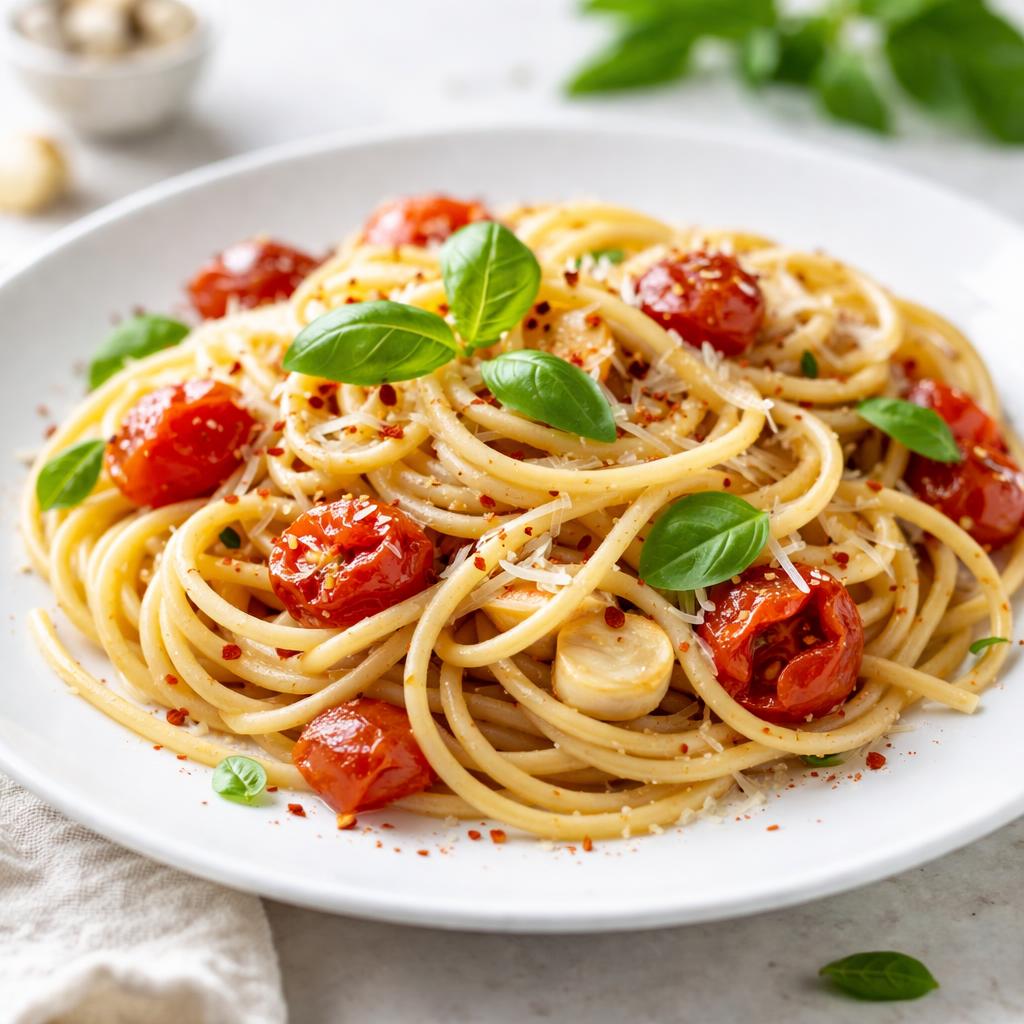
Pasta
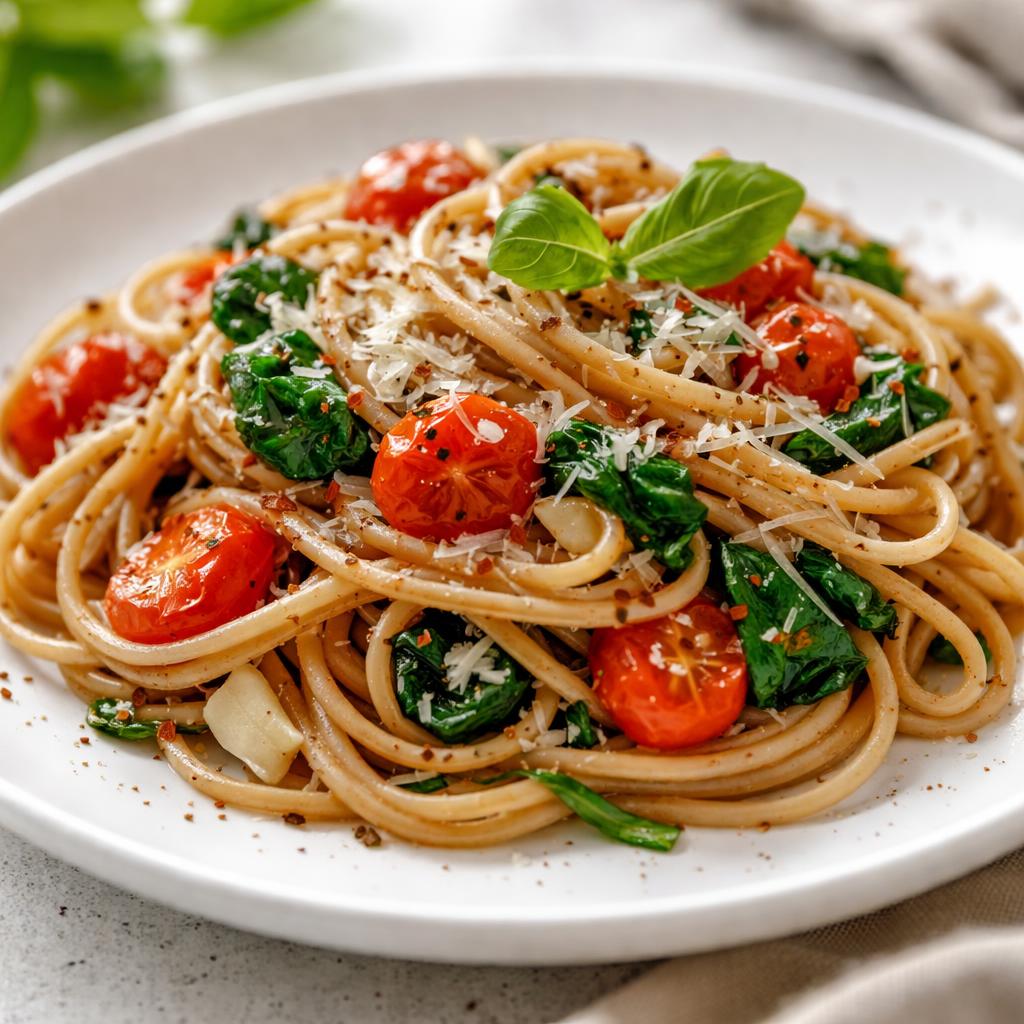
Whole Wheat Pasta
🎯 Quick Verdict
Whole wheat pasta is nutritionally superior to regular pasta due to higher fiber (6g vs 2g) and protein content (8g vs 6g per serving), while both have similar calories and carbs. Regular pasta is best for refined-texture dishes, while whole wheat pasta is ideal for boosting fiber and nutrient intake in meals.

Smart Nutrition Tracking with SnapCalorie

📊 Nutritional Comparison
Macronutrients
| Nutrient | Food 1 | Food 2 | Winner |
|---|---|---|---|
| Calories | 200 | 200 | − |
| Protein | 6g | 8g | − |
| Carbs | 42g | 41g | − |
| Fat | 1g | 1g | − |
| Fiber | 2g | 6g | − |
Vitamins & Minerals
| Nutrient | Food 1 | Food 2 | Winner |
|---|---|---|---|
| Vitamin B1 (Thiamine) | 0.14mg | 0.18mg | − |
| Folate | 70mcg | 25mcg | − |
| Iron | 1.3mg | 1.8mg | − |
🏆 Category Winners
Protein
Whole wheat pasta contains 33% more protein per serving.
Fiber
Whole wheat pasta provides three times the fiber of regular pasta.
Calories
Both regular and whole wheat pasta contribute 200 calories per serving.
Vitamins
Whole wheat pasta offers more iron and thiamine overall.
🥗 Diet Compatibility
Keto
Food 1: Not Compatible
Food 2: Not Compatible
Both are high in carbohydrates.
Vegan
Food 1: Compatible
Food 2: Compatible
Neither contains animal-based ingredients.
Gluten Free
Food 1: Not Compatible
Food 2: Not Compatible
Both contain gluten.
Paleo
Food 1: Not Compatible
Food 2: Not Compatible
Pasta and whole wheat pasta are grain-based, which is not allowed in the Paleo diet.
Low-Carb
Food 1: Not Compatible
Food 2: Not Compatible
Both are too high in carbohydrates for a low-carb diet.
💪 Health Benefits Comparison
Food 1 Benefits
- Easy to digest for refined meals
- Provides quick energy due to high-carb content
- Contains fortifications like folic acid for prenatal health
Food 2 Benefits
- Higher fiber for improved digestion
- Better protein content for muscle repair and satiety
- More iron for supporting blood health
✅ The Bottom Line
Whole wheat pasta is a healthier choice due to its higher fiber, protein, and iron content, making it the better option for weight management and nutrient-packed meals. Regular pasta works well for more refined dishes or quick carbohydrate energy needs.
Choose Food 1 for: Refined dishes, less fibrous texture, quick energy
Choose Food 2 for: Weight management, digestion, nutrient-dense meals


