Pasta VS Walnut Bread
A detailed nutritional comparison
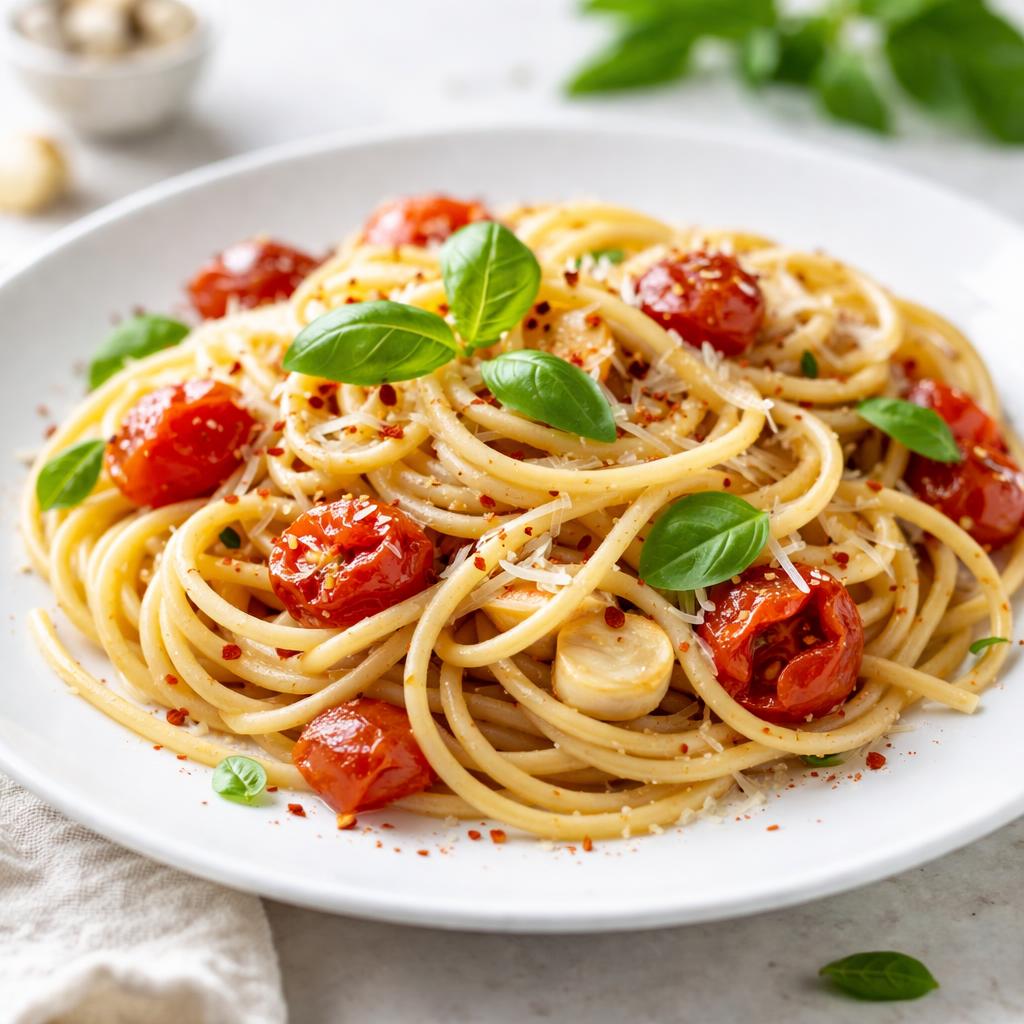
Pasta
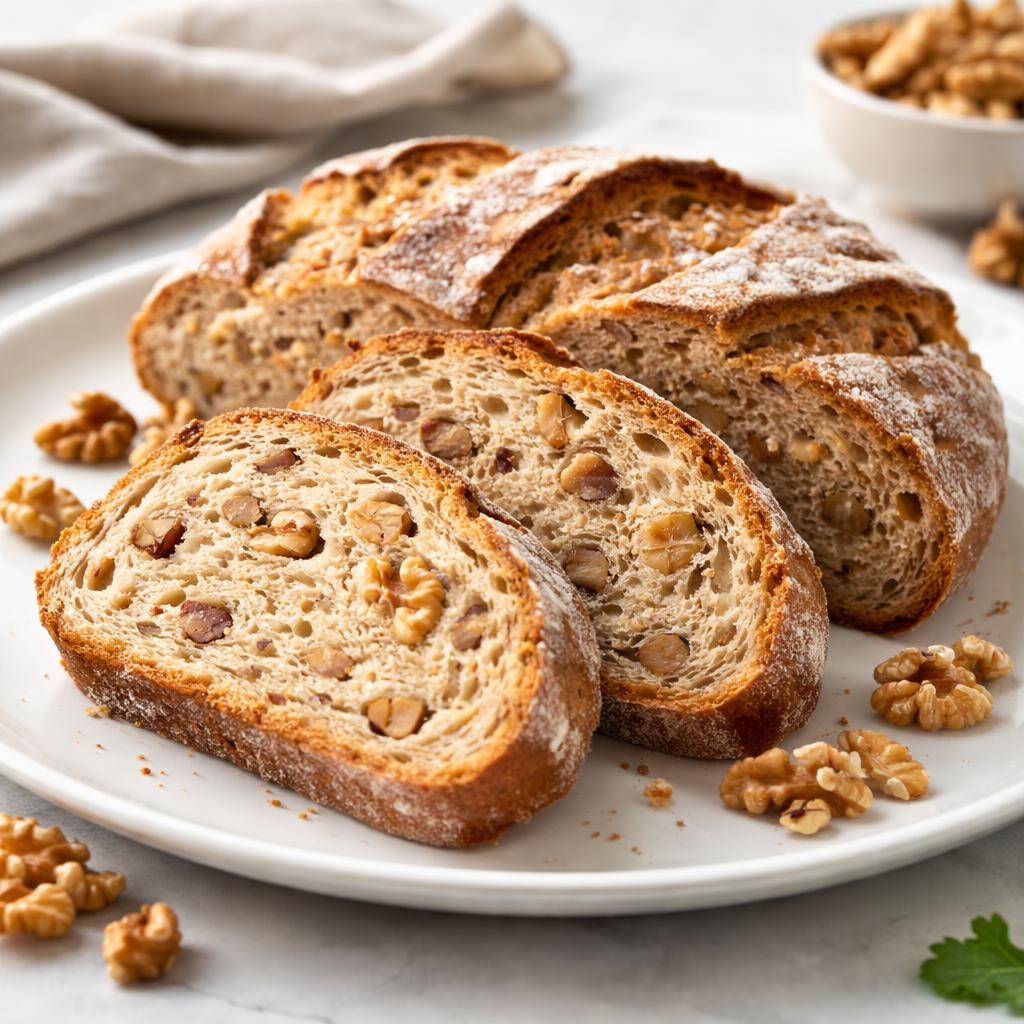
Walnut Bread
🎯 Quick Verdict
Pasta and walnut bread serve different dietary purposes, with pasta being a lower-calorie option better suited for energy without high fat content, while walnut bread provides higher protein, fiber, and healthy fats, making it more nutrient-dense. Pasta is ideal for quick energy or post-workout meals, whereas walnut bread is best for sustained energy and heart-healthy diets.

Smart Nutrition Tracking with SnapCalorie

📊 Nutritional Comparison
Macronutrients
| Nutrient | Food 1 | Food 2 | Winner |
|---|---|---|---|
| Calories | 220 per cup cooked | 260 per slice | ✓ |
| Protein | 8g | 10g | ✓ |
| Carbs | 43g | 30g | ✓ |
| Fat | 1g | 12g | ✓ |
| Fiber | 2g | 4g | ✓ |
Vitamins & Minerals
| Nutrient | Food 1 | Food 2 | Winner |
|---|---|---|---|
| Vitamin E | 0mg | 0.5mg | ✓ |
| Folate | 90mcg | 30mcg | ✓ |
| Magnesium | 15mg | 45mg | ✓ |
| Iron | 1mg | 1.5mg | ✓ |
🏆 Category Winners
Protein
Walnut bread provides 25% more protein per serving.
Fiber
Walnut bread offers double the fiber for better digestion.
Calories
Cooked pasta has fewer calories per serving compared to walnut bread.
Vitamins
Walnut bread is richer in essential vitamins like magnesium and vitamin E.
🥗 Diet Compatibility
Keto
Food 1: Not Compatible
Food 2: Not Compatible
Both foods contain moderate to high carbs.
Vegan
Food 1: Compatible
Food 2: Compatible
Both are plant-based foods.
Gluten Free
Food 1: Not Compatible
Food 2: Not Compatible
Both products contain gluten unless specific gluten-free alternatives are used.
Paleo
Food 1: Not Compatible
Food 2: Not Compatible
Traditional pasta and walnut bread are not paleo-friendly due to grains.
Low-Carb
Food 1: Not Compatible
Food 2: Not Compatible
Both foods exceed the typical low-carb criteria (<10g per serving).
💪 Health Benefits Comparison
Food 1 Benefits
- Quick source of energy due to high carbohydrate content
- Low in fat, making it suitable for low-fat diets
- Contains folate which supports red blood cell production
Food 2 Benefits
- Higher in healthy fats (from walnuts) that support heart health
- Rich in fiber for digestive health
- Provides magnesium for bone and muscle health
- Contains vitamin E, an antioxidant that supports cell health
✅ The Bottom Line
Food1 (pasta) is ideal for those seeking a low-calorie, high-carb meal for energy, particularly in athletic or post-workout settings. Food2 (walnut bread), on the other hand, is richer in protein, fiber, and healthy fats, making it a better choice for sustained energy, heart health, and nutrient density.
Choose Food 1 for: Quick energy, low-fat diets, post-workout carb refueling
Choose Food 2 for: Heart health, sustained energy, nutrient-dense diet plans


