Pasta VS Sour Dough Bread
A detailed nutritional comparison
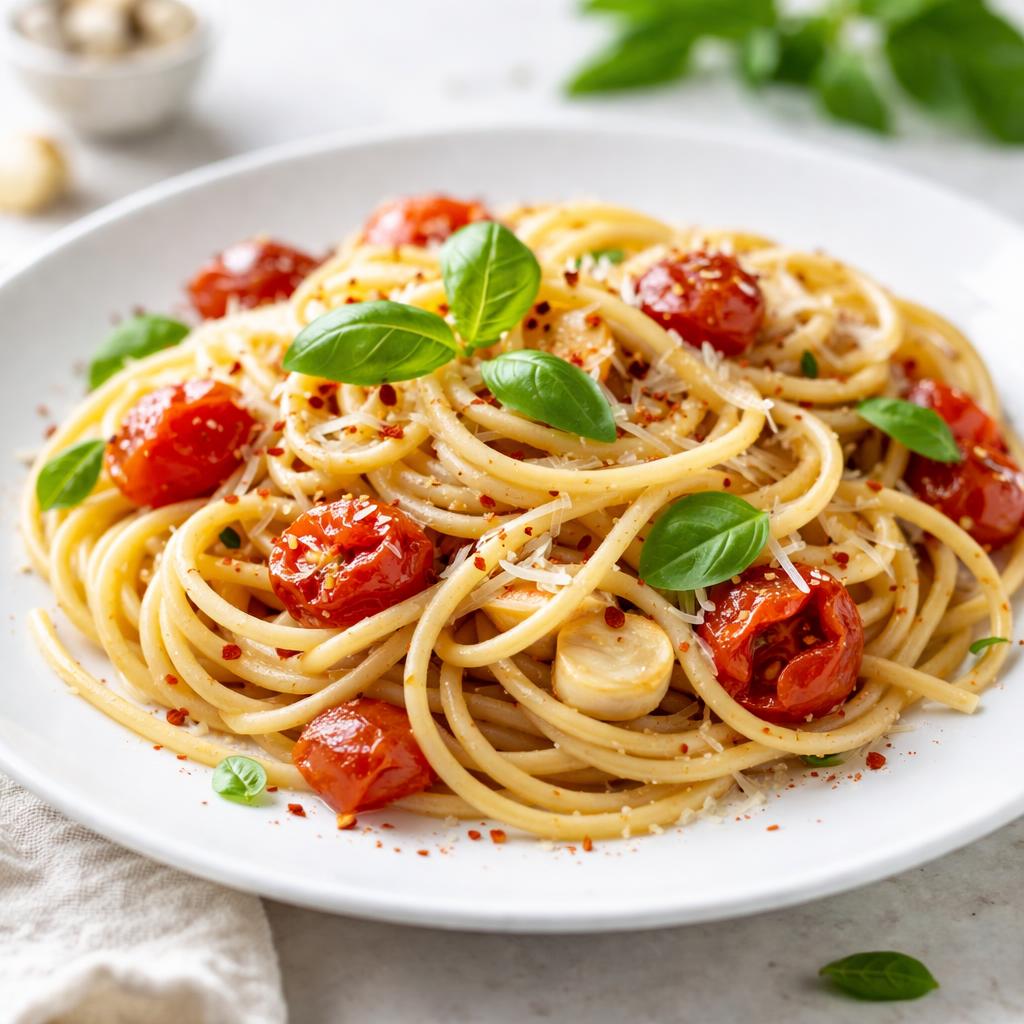
Pasta
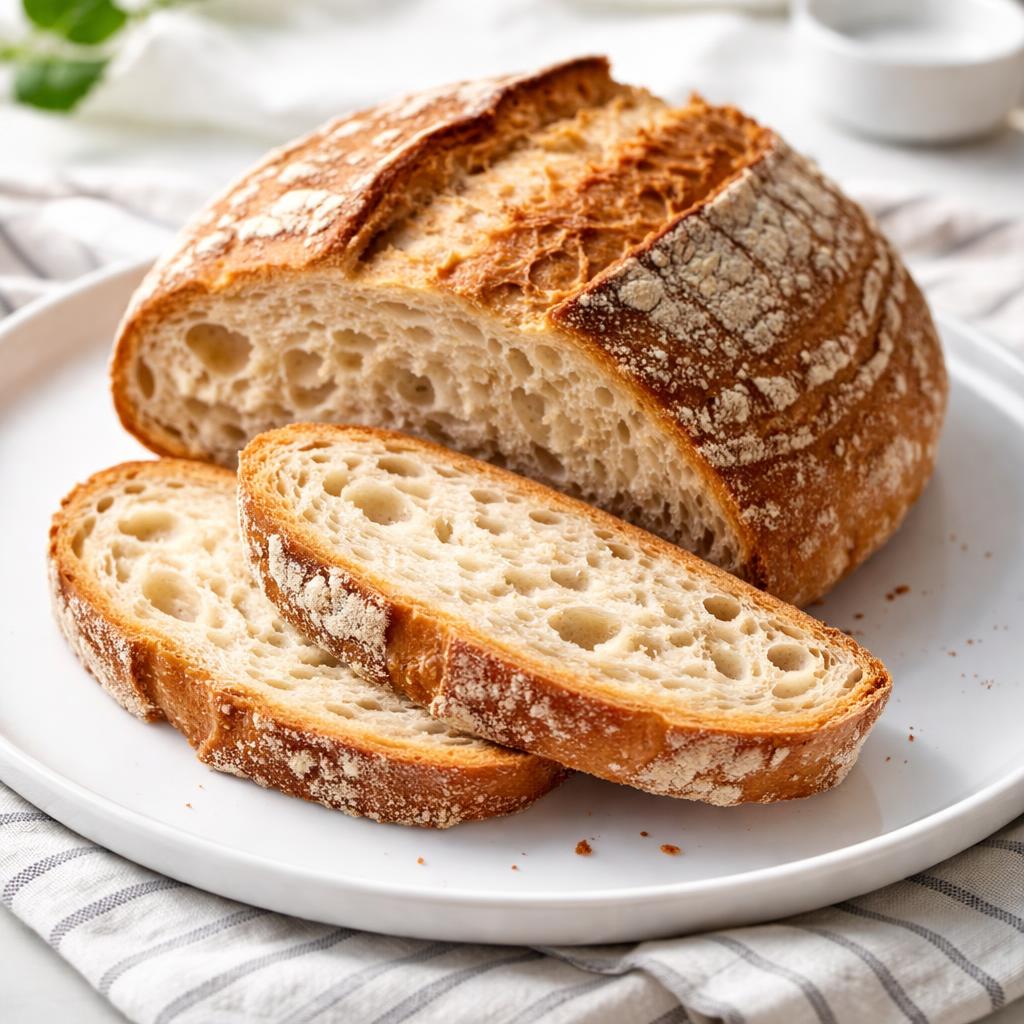
Sour Dough Bread
🎯 Quick Verdict
Pasta has higher protein and fewer calories per serving, making it ideal for weight-conscious or high-protein diets. Sourdough bread stands out for its fiber content and complex carbohydrates, making it suitable for sustained energy and digestive health. Both foods have unique strengths depending on dietary goals.

Smart Nutrition Tracking with SnapCalorie

📊 Nutritional Comparison
Macronutrients
| Nutrient | Food 1 | Food 2 | Winner |
|---|---|---|---|
| Calories | 210 per cup (cooked) | 240 per slice (medium) | ✓ |
| Protein | 7g | 5g | ✓ |
| Carbs | 42g | 47g | − |
| Fat | 1g | 2.5g | ✓ |
| Fiber | 2g | 3g | ✓ |
Vitamins & Minerals
| Nutrient | Food 1 | Food 2 | Winner |
|---|---|---|---|
| Vitamin B6 | 0.1mg | 0.04mg | ✓ |
| Calcium | 10mg | 20mg | ✓ |
| Magnesium | 12mg | 23mg | ✓ |
| Iron | 1mg | 0.8mg | ✓ |
🏆 Category Winners
Protein
Pasta contains 40% more protein per serving.
Fiber
Sourdough bread provides 50% more dietary fiber.
Calories
Pasta has fewer calories per serving compared to bread.
Vitamins
Sourdough bread provides more essential minerals like calcium and magnesium.
🥗 Diet Compatibility
Keto
Food 1: Not Compatible
Food 2: Not Compatible
Both foods are high in carbohydrates.
Vegan
Food 1: Compatible
Food 2: Compatible
Both foods are plant-based and free from animal products.
Gluten Free
Food 1: Not Compatible
Food 2: Not Compatible
Both foods contain wheat-derived gluten.
Paleo
Food 1: Not Compatible
Food 2: Not Compatible
Neither food aligns with paleo restrictions on grains.
Low Carb
Food 1: Not Compatible
Food 2: Not Compatible
Both contain over 40g of carbohydrates per serving.
💪 Health Benefits Comparison
Food 1 Benefits
- Great source of energy due to high carbohydrate content.
- Contains moderate protein levels for muscle maintenance.
- Low fat content, suitable for weight management.
Food 2 Benefits
- Rich in fiber, supporting digestive health.
- Provides live cultures from fermentation, aiding gut health.
- Includes essential minerals like magnesium and calcium for bone health.
✅ The Bottom Line
Choose pasta for higher protein, fewer calories, and an excellent energy boost for active or weight-focused diets. Opt for sourdough bread for fiber, healthy fermentation benefits, and essential minerals, especially for digestive health and sustained energy.
Choose Food 1 for: Active lifestyles, post-workout recovery, weight management diets
Choose Food 2 for: Digestive health, long-lasting energy, nutrient density


