Pasta VS Soba Noodles
A detailed nutritional comparison
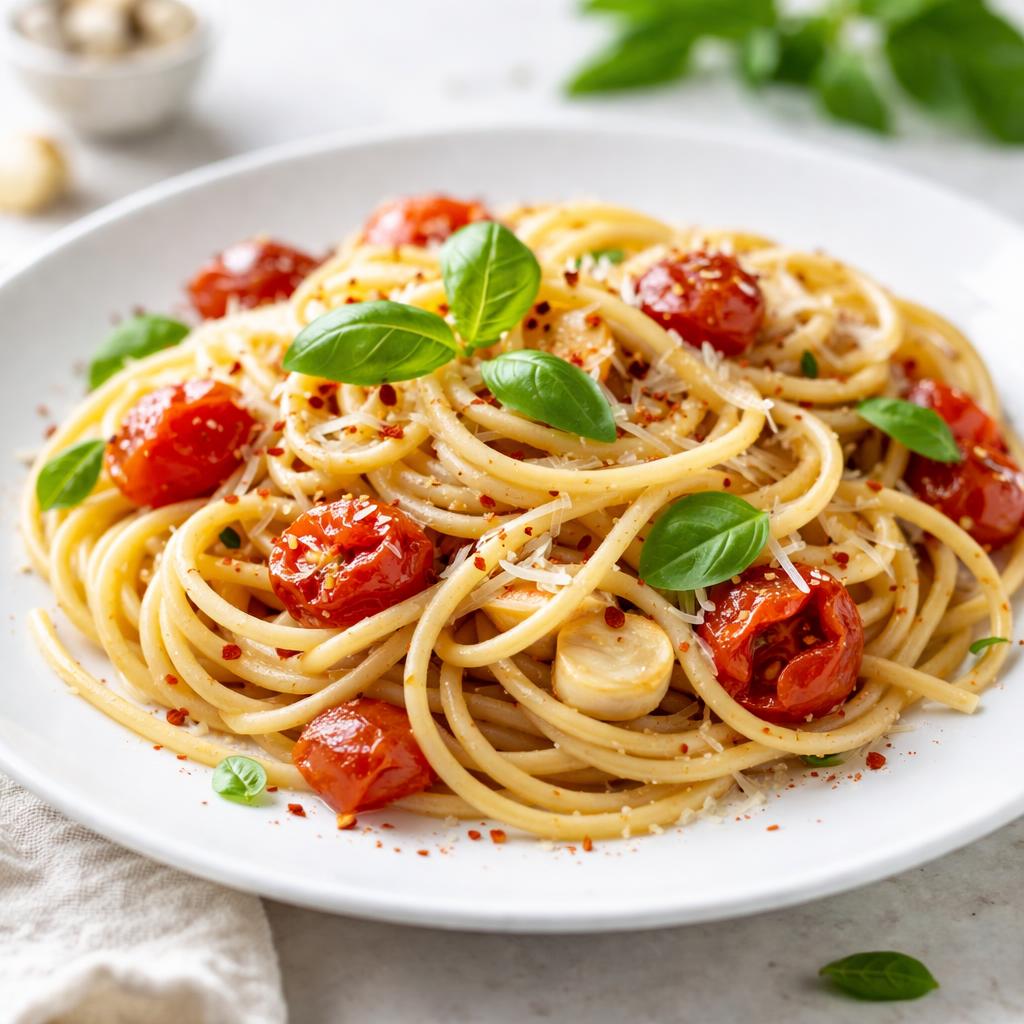
Pasta
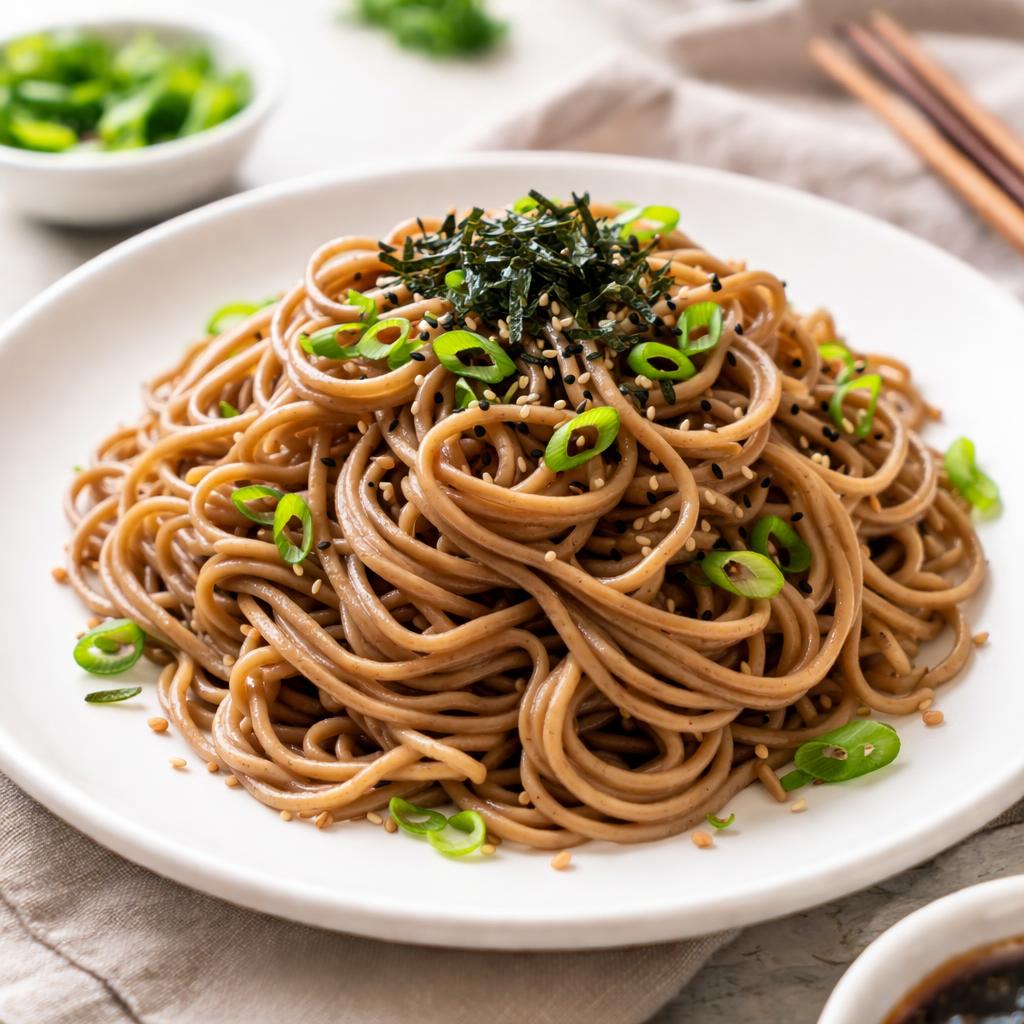
Soba Noodles
🎯 Quick Verdict
Soba noodles and pasta differ significantly in their nutritional profiles. Soba noodles generally have more protein (8g vs 6g per serving) and fiber (3g vs 2g), making them slightly more nutrient-dense. Pasta, however, has fewer calories per serving (200 vs 250), which can be beneficial for weight management. Choose soba noodles for a nutrient boost and pasta for energy-focused meals.

Smart Nutrition Tracking with SnapCalorie

📊 Nutritional Comparison
Macronutrients
| Nutrient | Food 1 | Food 2 | Winner |
|---|---|---|---|
| Calories | 200 | 250 | ✓ |
| Protein | 6g | 8g | ✓ |
| Carbs | 42g | 49g | ✓ |
| Fat | 1g | 1.5g | − |
| Fiber | 2g | 3g | ✓ |
Vitamins & Minerals
| Nutrient | Food 1 | Food 2 | Winner |
|---|---|---|---|
| Vitamin B | 1.2mg | 2mg | ✓ |
| Iron | 1mg | 1.5mg | ✓ |
| Magnesium | 20mg | 40mg | ✓ |
🏆 Category Winners
Protein
Soba noodles provide 33% more protein per serving than pasta.
Fiber
Soba noodles have 50% more fiber, aiding digestion.
Calories
Pasta has 20% fewer calories, which can be beneficial for calorie-controlled meals.
🥗 Diet Compatibility
Keto
Food 1: Not Compatible
Food 2: Not Compatible
Both are high-carb foods.
Vegan
Food 1: Compatible
Food 2: Compatible
Both are plant-based and do not contain animal products.
Gluten Free
Food 1: Not Compatible
Food 2: Potentially Compatible
Soba noodles made from 100% buckwheat can be gluten-free; traditional pasta contains gluten.
Paleo
Food 1: Not Compatible
Food 2: Not Compatible
Both are processed grains, not paleo-friendly.
Low-Carb
Food 1: Not Compatible
Food 2: Not Compatible
Both have high carbohydrate content, exceeding low-carb standards.
💪 Health Benefits Comparison
Food 1 Benefits
- Provides quick energy from carbohydrates
- Low in fat for heart health
- Good source of iron for oxygen transport
Food 2 Benefits
- High protein for muscle growth and repair
- Contains fiber for digestion and gut health
- Rich in magnesium for bone and muscle function
✅ The Bottom Line
Choose soba noodles for a more nutrient-dense option with higher protein and fiber, making it ideal for balanced, hearty meals. Go with pasta if you want fewer calories and a quick energy boost, especially for carb-loading during athletic training.
Choose Food 1 for: Weight management, carb-loading, easy digestion
Choose Food 2 for: Fitness nutrition, nutrient-dense meals, improved digestion


