Pasta VS Seed Bread
A detailed nutritional comparison
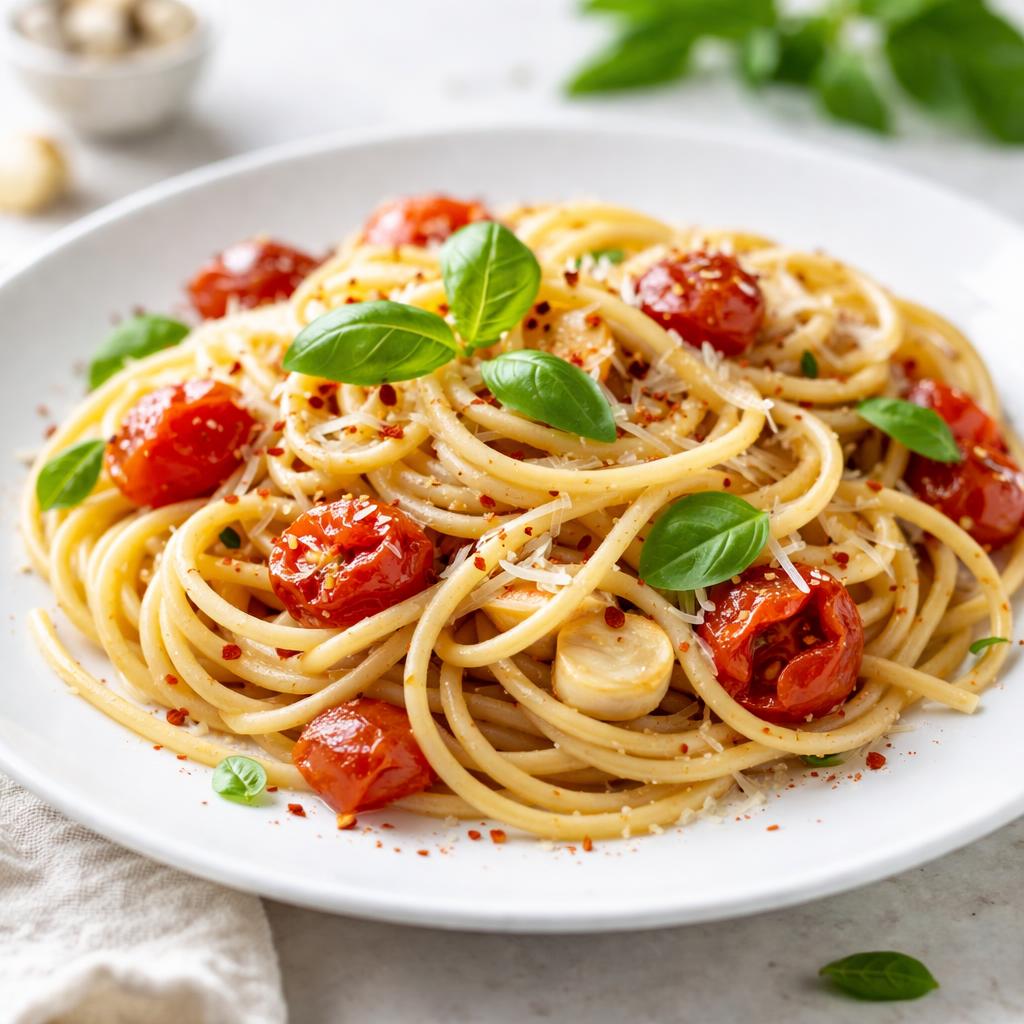
Pasta
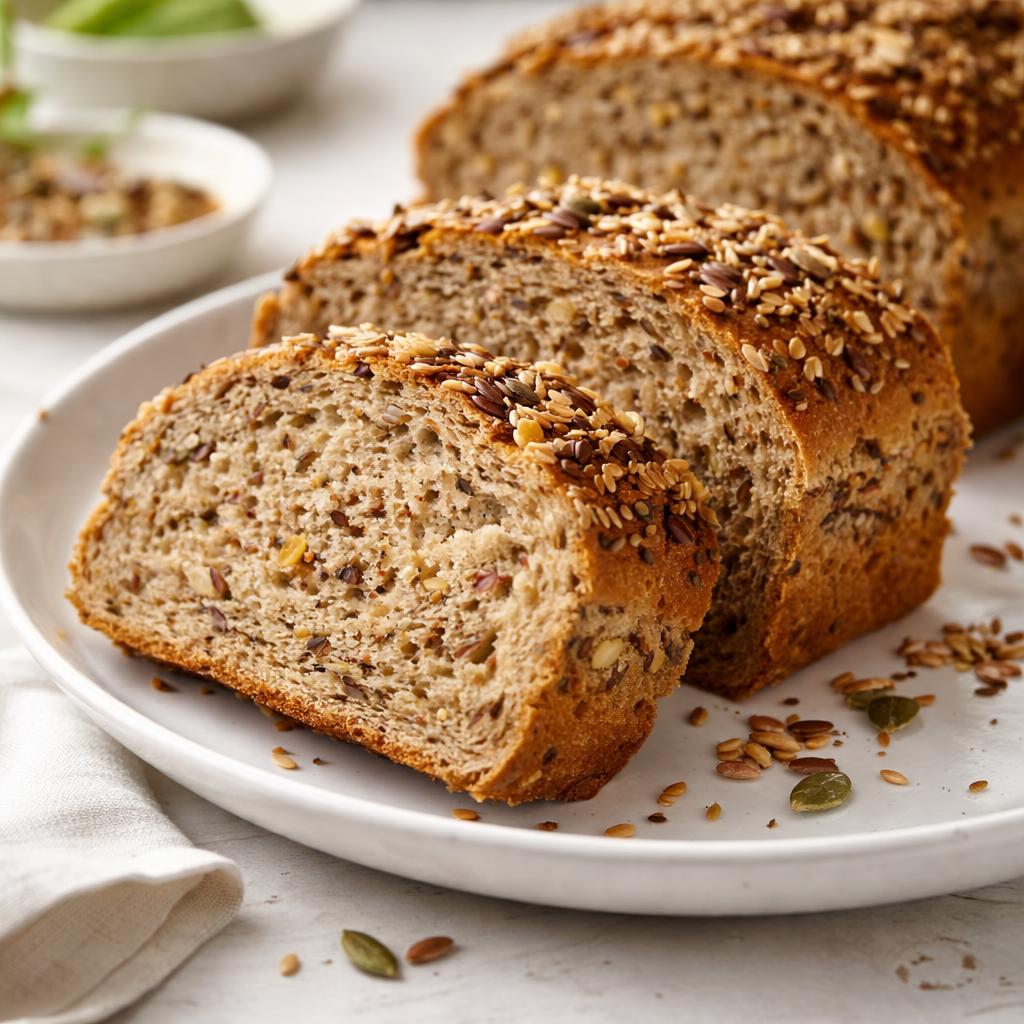
Seed Bread
🎯 Quick Verdict
Seed bread outperforms pasta nutritionally, offering more protein, fiber, and fewer calories per serving. Pasta, however, provides more quick energy due to its higher carbohydrate content, making it ideal for endurance activities or carb-loading. Seed bread is better suited for nutrient-dense meals and balanced diets, particularly for weight management and improved digestion.

Smart Nutrition Tracking with SnapCalorie

📊 Nutritional Comparison
Macronutrients
| Nutrient | Food 1 | Food 2 | Winner |
|---|---|---|---|
| Calories | 200 | 140 | ✓ |
| Protein | 7g | 12g | ✓ |
| Carbs | 41g | 16g | ✓ |
| Fat | 1g | 5g | ✓ |
| Fiber | 2g | 5g | ✓ |
Vitamins & Minerals
| Nutrient | Food 1 | Food 2 | Winner |
|---|---|---|---|
| Vitamin D | 0mcg | 1mcg | ✓ |
| Calcium | 20mg | 100mg | ✓ |
| Iron | 1mg | 2mg | ✓ |
🏆 Category Winners
Protein
Seed bread provides 71% more protein per serving compared to pasta.
Fiber
Seed bread offers 150% more fiber for improved digestion.
Calories
Seed bread contains 30% fewer calories, supporting weight management.
Vitamins
Seed bread delivers more vitamin D, calcium, and iron overall.
🥗 Diet Compatibility
Keto
Food 1: Not Compatible
Food 2: Compatible
Seed bread is low-carb with only 16g of carbs per serving, whereas pasta is carbohydrate-dense.
Vegan
Food 1: Compatible
Food 2: Compatible
Both foods are plant-based and suitable for vegan diets.
Gluten Free
Food 1: Not Compatible
Food 2: Depends
Pasta contains gluten, and seed bread may or may not be gluten-free depending on recipe ingredients.
Paleo
Food 1: Not Compatible
Food 2: Depends
Pasta is not paleo-friendly, while seed bread might qualify if made without grains.
Low-Carb
Food 1: Not Compatible
Food 2: Compatible
Seed bread fits low-carb diets due to its minimal carbohydrate content.
💪 Health Benefits Comparison
Food 1 Benefits
- Provides quick energy from carbohydrates, ideal for endurance activities
- Low in fat, suitable for low-fat diets
- Acts as a versatile base for various dishes
Food 2 Benefits
- High in protein for muscle repair and maintenance
- Rich in fiber to promote healthy digestion and gut function
- Contains healthy fats from seeds for heart health
- Provides essential minerals like calcium and iron for bone strength and oxygen transport
✅ The Bottom Line
Choose seed bread for nutrient-dense meals, weight management, and digestive health. Pasta is better suited for fueling high-intensity activities or carb-loading before endurance sports. Each food serves distinct dietary purposes depending on your needs.
Choose Food 1 for: Endurance activities, quick energy, carb-loading
Choose Food 2 for: Weight loss, high-protein diets, improved digestion


