Pasta VS Rigatoni Pasta
A detailed nutritional comparison
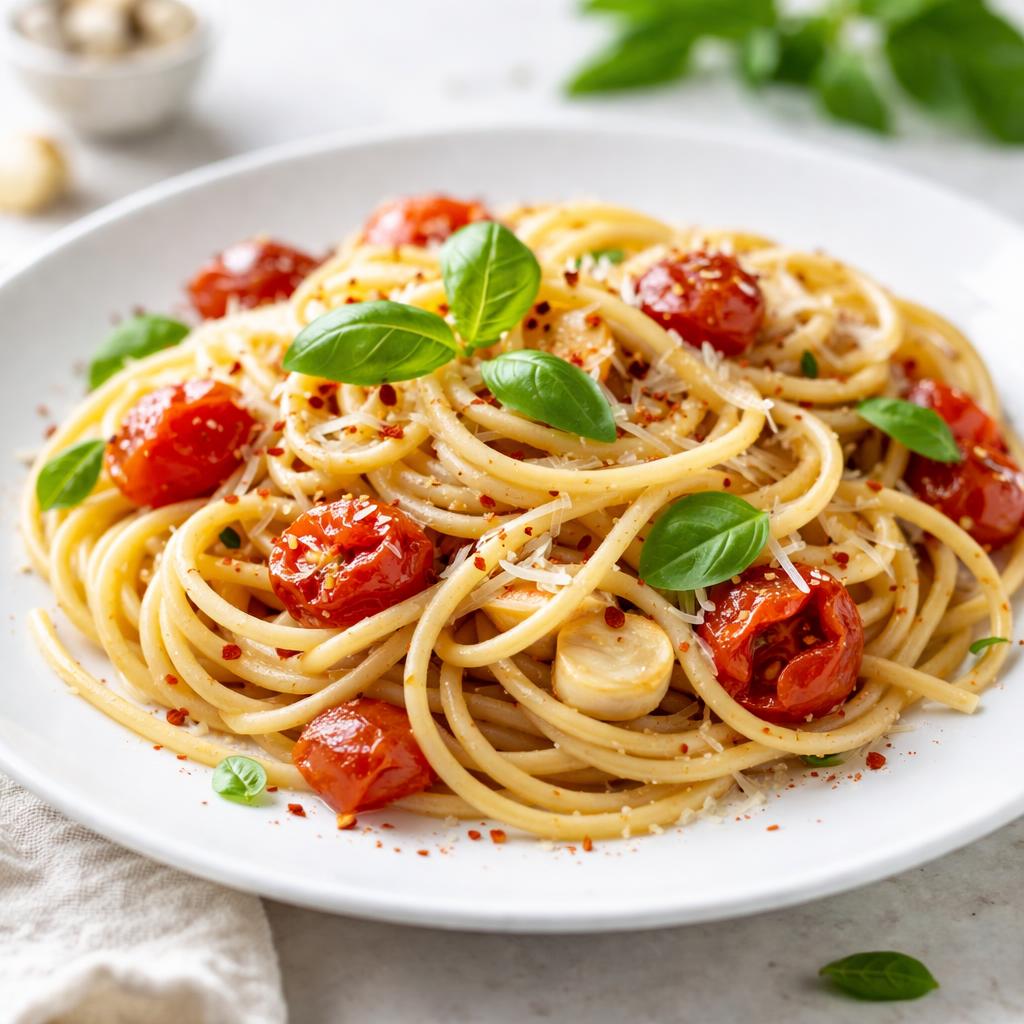
Pasta
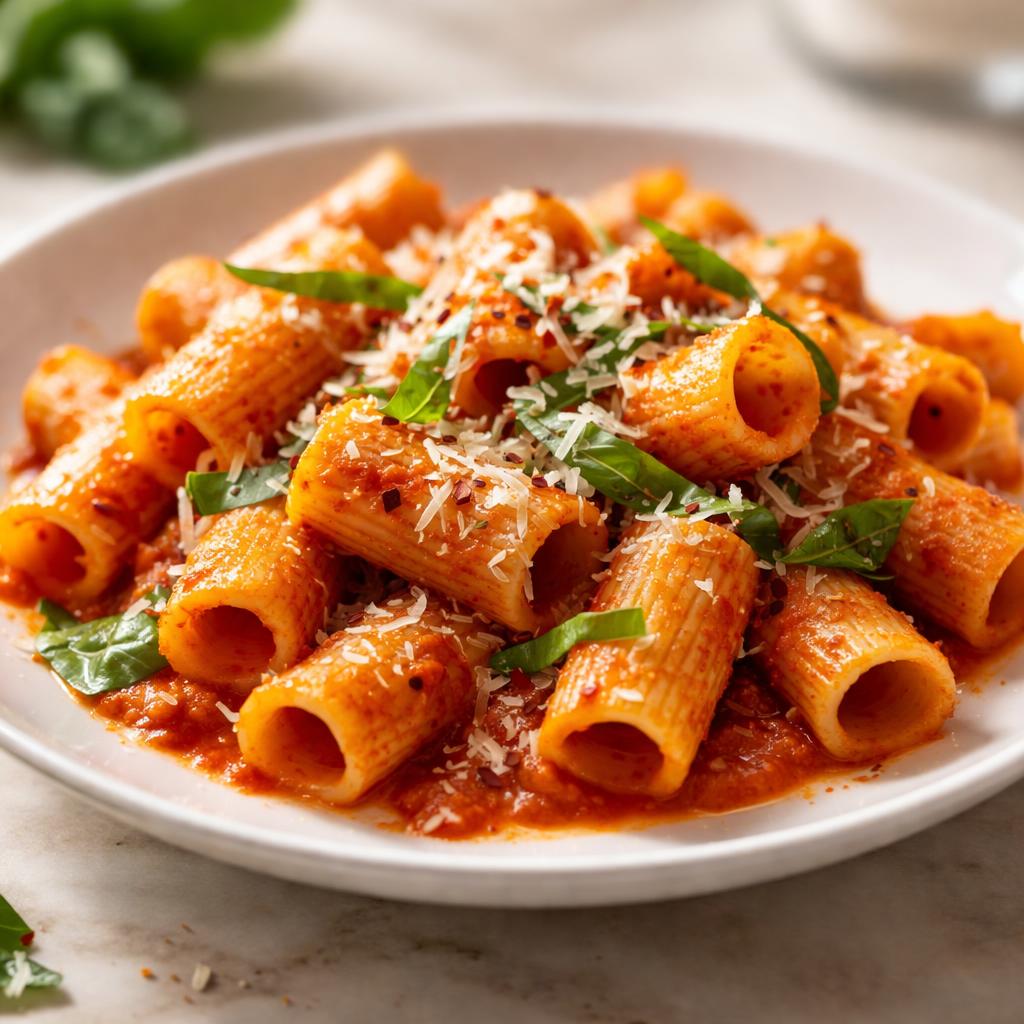
Rigatoni Pasta
🎯 Quick Verdict
Regular pasta and rigatoni pasta are nutritionally identical since rigatoni is a type of pasta. Both provide similar amounts of calories, protein, and fiber per serving, making them interchangeable in terms of dietary value. Choose based on texture and recipe suitability rather than nutrition differences.

Smart Nutrition Tracking with SnapCalorie

📊 Nutritional Comparison
Macronutrients
| Nutrient | Food 1 | Food 2 | Winner |
|---|---|---|---|
| Calories | 200 | 200 | − |
| Protein | 7g | 7g | − |
| Carbs | 42g | 42g | − |
| Fat | 1g | 1g | − |
| Fiber | 2g | 2g | − |
Vitamins & Minerals
| Nutrient | Food 1 | Food 2 | Winner |
|---|---|---|---|
| Vitamin D | 0mcg | 0mcg | − |
| Calcium | 10mg | 10mg | − |
| Iron | 1mg | 1mg | − |
🏆 Category Winners
Protein
Both contain 7g of protein per serving, offering equal protein benefits.
Fiber
Both contain 2g of fiber per serving, aiding digestion equally.
Calories
Both foods provide 200 calories per serving, with no caloric difference.
🥗 Diet Compatibility
Keto
Food 1: Not Compatible
Food 2: Not Compatible
Both are high-carb and not suitable for keto diets.
Vegan
Food 1: Compatible
Food 2: Compatible
Both are plant-based and fit a vegan diet.
Gluten Free
Food 1: Not Compatible
Food 2: Not Compatible
Both are made from wheat and contain gluten.
Paleo
Food 1: Not Compatible
Food 2: Not Compatible
Both are processed grains and not suitable for paleo diets.
Low Carb
Food 1: Not Compatible
Food 2: Not Compatible
Each serving contains 42g of carbohydrates, which is high for low-carb diets.
💪 Health Benefits Comparison
Food 1 Benefits
- Provides sustained energy due to high carbohydrate content
- Low-fat option for calorie-conscious meals
- Contains some iron for maintaining healthy blood
Food 2 Benefits
- Supports energy levels through its carbohydrate profile
- Works well in hearty and satisfying recipes
- Contains small amounts of minerals like iron and calcium
✅ The Bottom Line
Regular pasta and rigatoni pasta are nutritionally identical. Choose either based on your recipe needs and preferred shape, as there is no advantage nutritionally. Both provide steady energy and are ideal for carb-loading meals.
Choose Food 1 for: Carbonara, simple pasta dishes, meal prep
Choose Food 2 for: Hearty sauces, baked pasta dishes, texture-based recipes


