Pasta VS Rice With Herbs
A detailed nutritional comparison
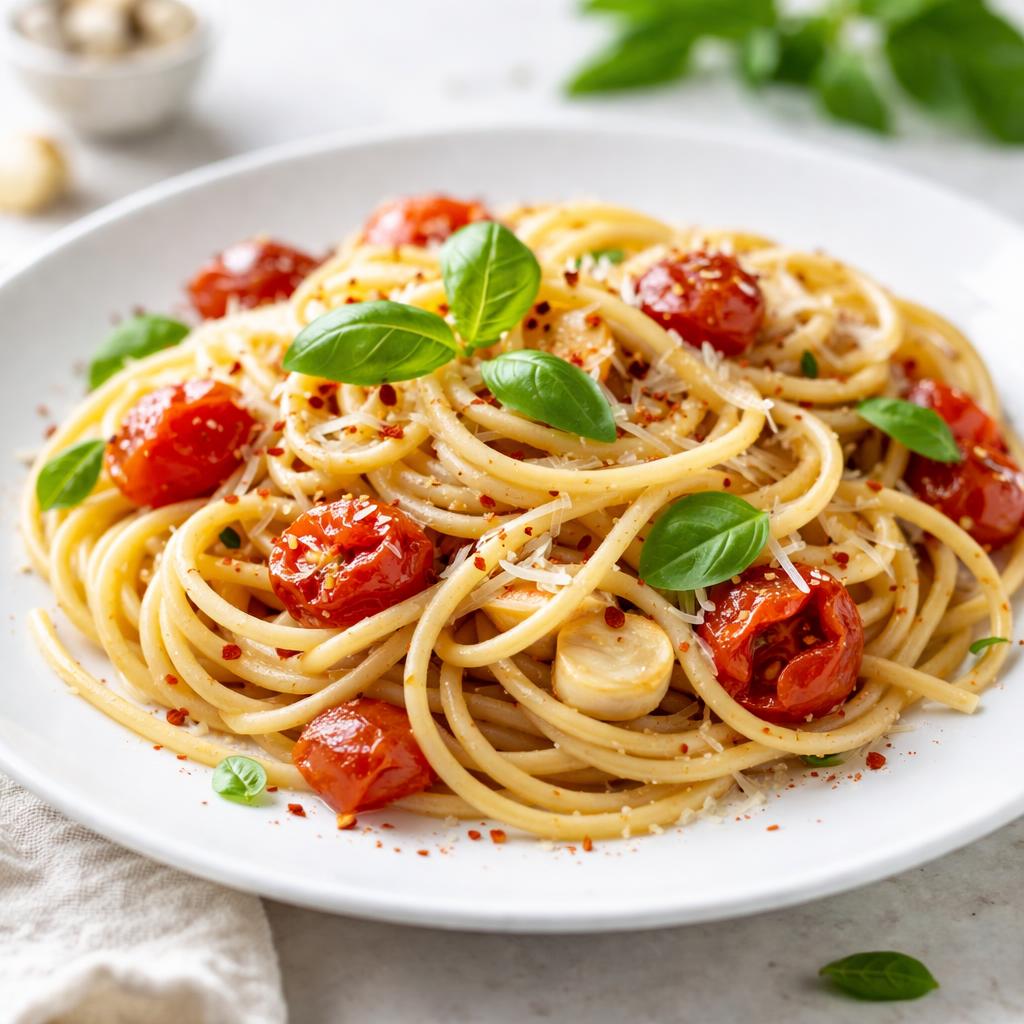
Pasta
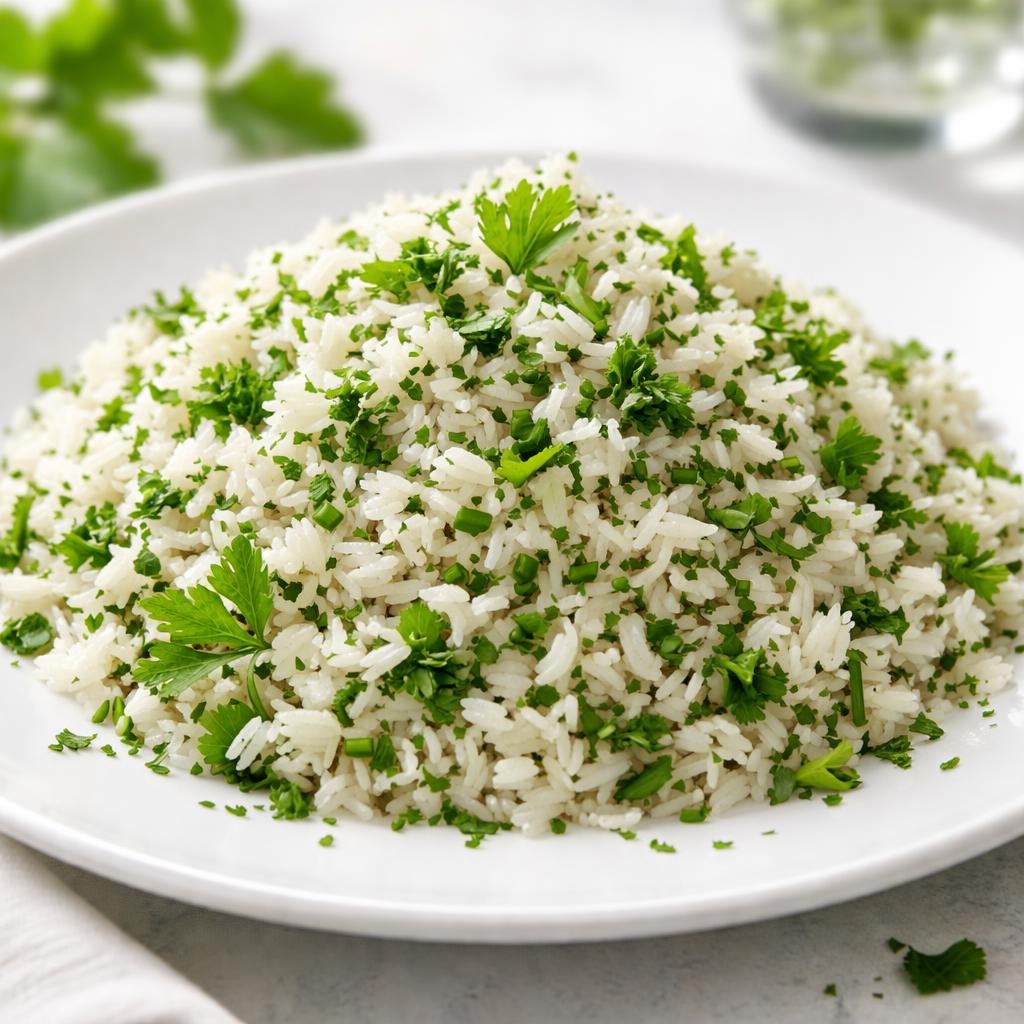
Rice With Herbs
🎯 Quick Verdict
Both pasta and rice with herbs offer different nutritional advantages. Pasta provides more protein per serving, making it suitable for muscle repair and building. Rice with herbs is lower in calories and offers more fiber, which may support digestive health and weight management. Choose pasta for energy and protein needs, and rice with herbs for a lighter, nutrient-dense option rich in flavor from added herbs.

Smart Nutrition Tracking with SnapCalorie

📊 Nutritional Comparison
Macronutrients
| Nutrient | Food 1 | Food 2 | Winner |
|---|---|---|---|
| Calories | 200 | 150 | ✓ |
| Protein | 7g | 4g | ✓ |
| Carbs | 42g | 35g | ✓ |
| Fat | 1g | 2g | ✓ |
| Fiber | 2g | 3g | ✓ |
Vitamins & Minerals
| Nutrient | Food 1 | Food 2 | Winner |
|---|---|---|---|
| Vitamin D | 0mcg | 0mcg | − |
| Calcium | 10mg | 15mg | ✓ |
| Iron | 1mg | 0.5mg | ✓ |
🏆 Category Winners
Protein
Food1 (Pasta) has nearly double the protein per serving compared to Food2.
Fiber
Food2 (Rice with herbs) contains 50% more fiber.
Calories
Food2 is 25% lower in calories.
Vitamins
Both foods have minimal vitamin content, providing no significant advantage in this category.
🥗 Diet Compatibility
Keto
Food 1: Not Compatible
Food 2: Not Compatible
Both are high in carbohydrates.
Vegan
Food 1: Compatible
Food 2: Compatible
Both foods are plant-based.
Gluten Free
Food 1: Not Compatible
Food 2: Compatible
Rice with herbs is naturally gluten-free, while pasta typically contains gluten unless specified gluten-free.
Paleo
Food 1: Not Compatible
Food 2: Compatible
Pasta is processed, whereas rice with herbs fits paleo dietary guidelines.
Low Carb
Food 1: Not Compatible
Food 2: Not Compatible
Both foods exceed carb limits for low-carb diets.
💪 Health Benefits Comparison
Food 1 Benefits
- Rich in complex carbohydrates for sustained energy
- Higher protein content supports muscle repair and growth
- Quick energy source for active lifestyles
Food 2 Benefits
- Lower in calories, suitable for weight management
- Contains fiber for improved digestion
- Herbs provide antioxidants and enhance flavor without added calories
✅ The Bottom Line
Choose pasta for higher protein and energy needs, such as post-workout meals or active lifestyles. Opt for rice with herbs for a lighter, fiber-rich option that supports digestion and weight management while adding flavor to meals.
Choose Food 1 for: Athletes, energy-dense diets, muscle building
Choose Food 2 for: Weight loss, digestive health, nutrient-packed lighter meals


