Pasta VS Protein Pasta
A detailed nutritional comparison
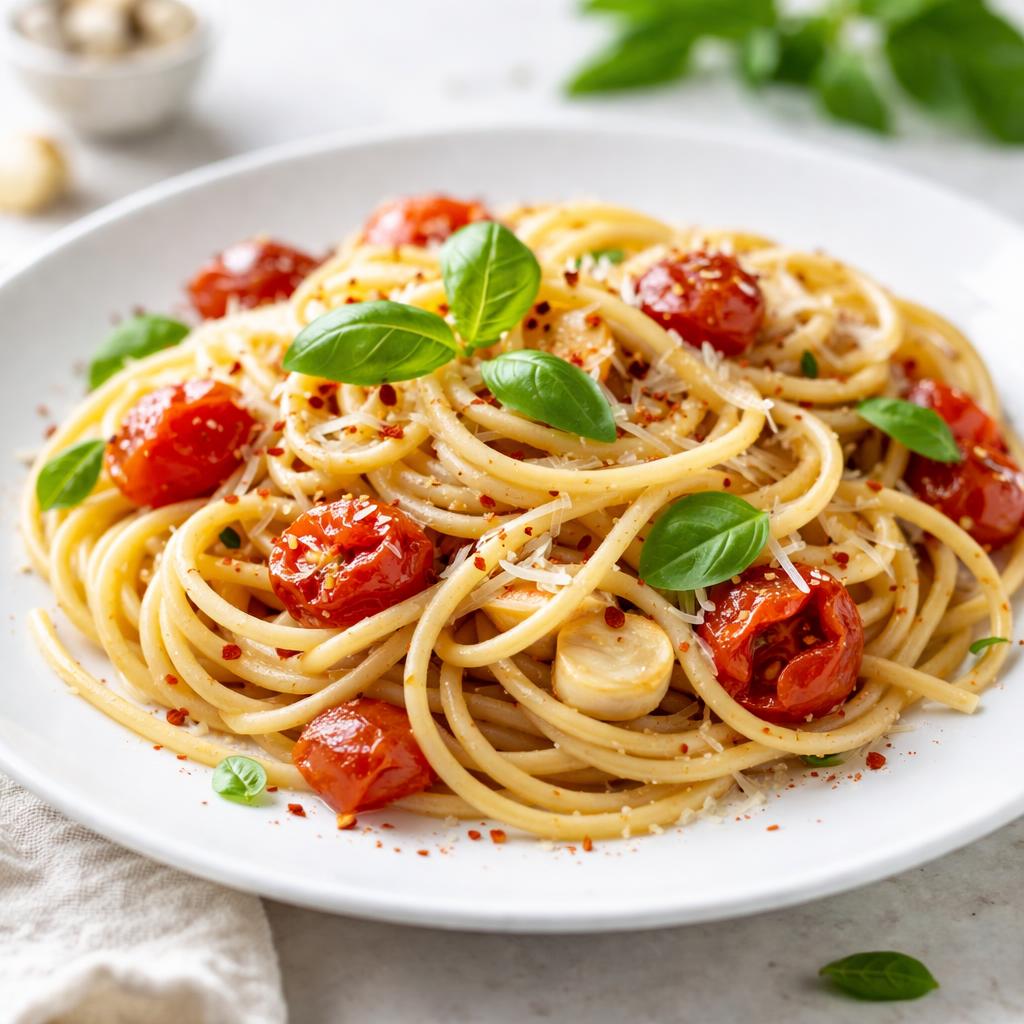
Pasta
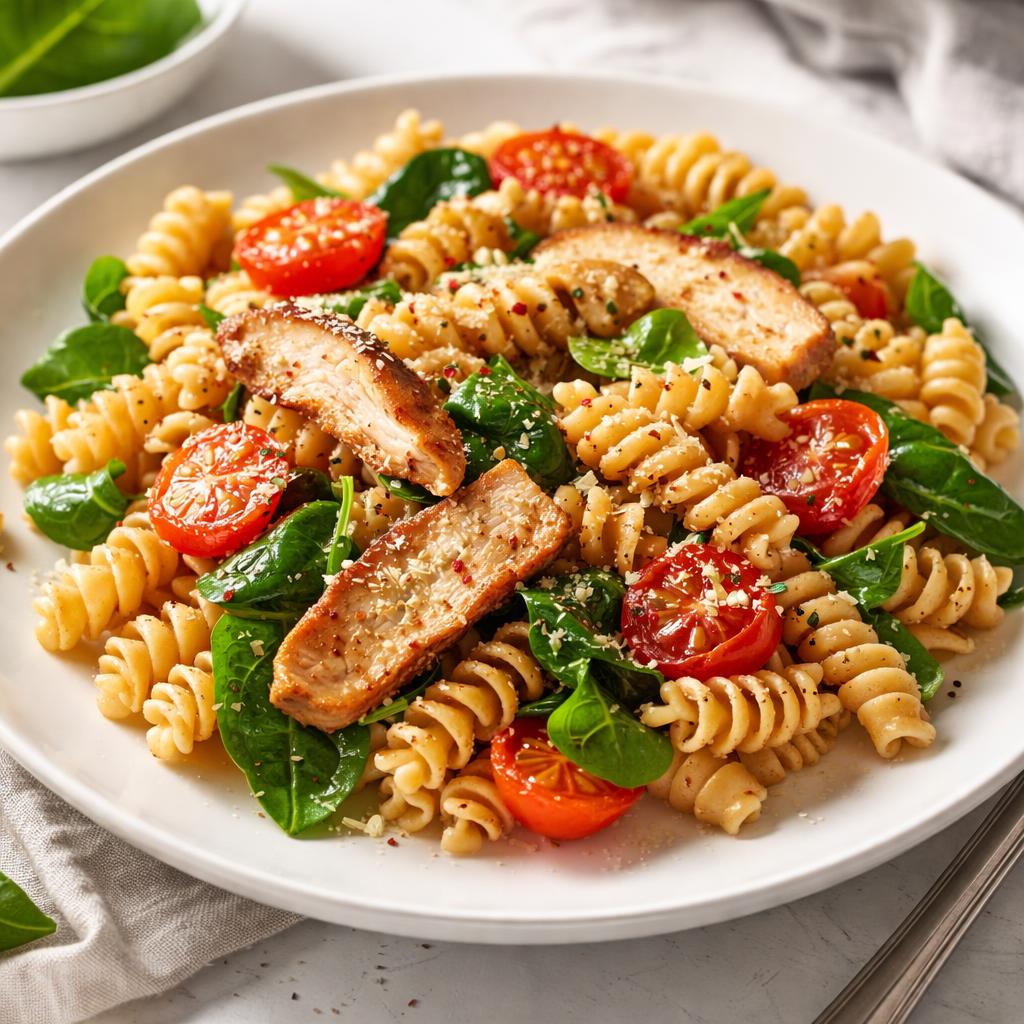
Protein Pasta
🎯 Quick Verdict
Protein pasta outshines regular pasta in protein content, boasting around 15-20g per serving versus pasta’s modest 7g. It also provides more fiber, helping with digestion. Regular pasta, while lower in key nutrients, can still be an affordable energy source for those not prioritizing protein intake. Opt for protein pasta when nutritional density is a priority, like in fitness-focused diets or weight loss regimens.

Smart Nutrition Tracking with SnapCalorie

📊 Nutritional Comparison
Macronutrients
| Nutrient | Food 1 | Food 2 | Winner |
|---|---|---|---|
| Calories | 200 | 200 | − |
| Protein | 7g | 15g | − |
| Carbs | 42g | 35g | − |
| Fat | 1g | 2g | − |
| Fiber | 2g | 8g | − |
Vitamins & Minerals
| Nutrient | Food 1 | Food 2 | Winner |
|---|---|---|---|
| Vitamin D | 0mcg | 0mcg | − |
| Calcium | 15mg | 80mg | − |
| Iron | 1mg | 2mg | − |
🏆 Category Winners
Protein
Protein pasta contains over double the protein compared to regular pasta.
Fiber
Protein pasta offers four times more fiber, enhancing digestive health.
Calories
Both foods have equal calorie values per serving.
🥗 Diet Compatibility
Keto
Food 1: Not Compatible
Food 2: Not Compatible
Both options are high in carbs, which disqualifies them for keto diets.
Vegan
Food 1: Compatible
Food 2: Compatible
Both standard and protein pasta can be made from plant ingredients (check the label for egg-based varieties).
Gluten Free
Food 1: Not Compatible
Food 2: Compatible
Regular pasta typically contains wheat. Protein pasta may be gluten-free, depending on ingredients like chickpea or lentil flour.
Paleo
Food 1: Not Compatible
Food 2: Not Compatible
Grain-based pasta, including protein pasta, is not suitable for paleo diets.
Low-Carb
Food 1: Not Compatible
Food 2: Partially Compatible
Protein pasta has fewer carbs than regular pasta but might still exceed low-carb limits for stricter diets.
💪 Health Benefits Comparison
Food 1 Benefits
- Provides a quick source of energy due to high carbohydrate content
- Affordable and easy-to-prepare staple food
- Can be fortified with additional nutrients in certain varieties
Food 2 Benefits
- Rich in protein to support muscle growth and repair
- High fiber content aids digestion and helps maintain satiety
- Excellent source of plant-based nutrients, depending on the type of protein flour
✅ The Bottom Line
Protein pasta is a clear choice if prioritizing nutrition, especially for fitness-focused or weight-conscious diets. Regular pasta is better suited for budget-friendly meals or those needing quick energy without concern for added protein. Evaluate your goals when choosing between the two.
Choose Food 1 for: Budget-friendly meals, high-energy carb sources, general consumption
Choose Food 2 for: Balanced nutrition, muscle building, weight management, vegans needing extra protein


