Pasta VS Bow Tie Pasta
A detailed nutritional comparison
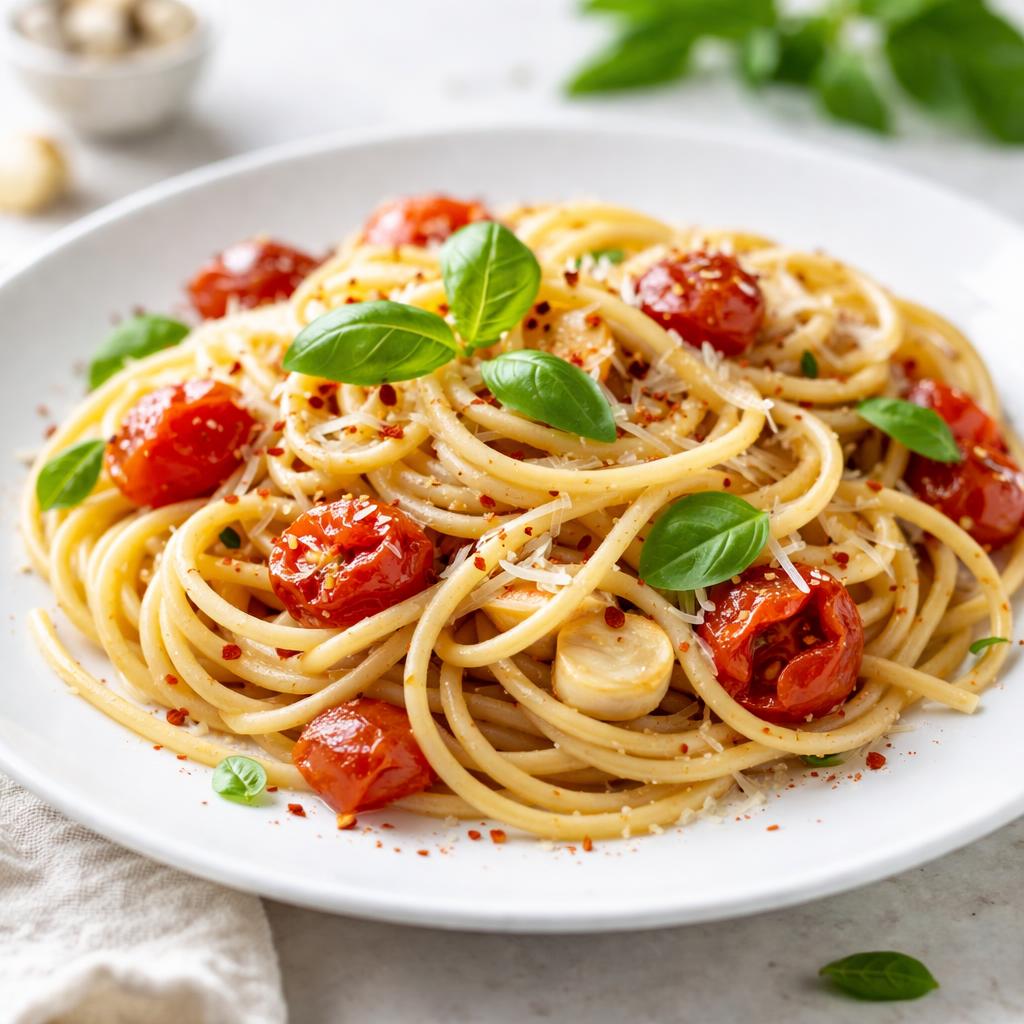
Pasta
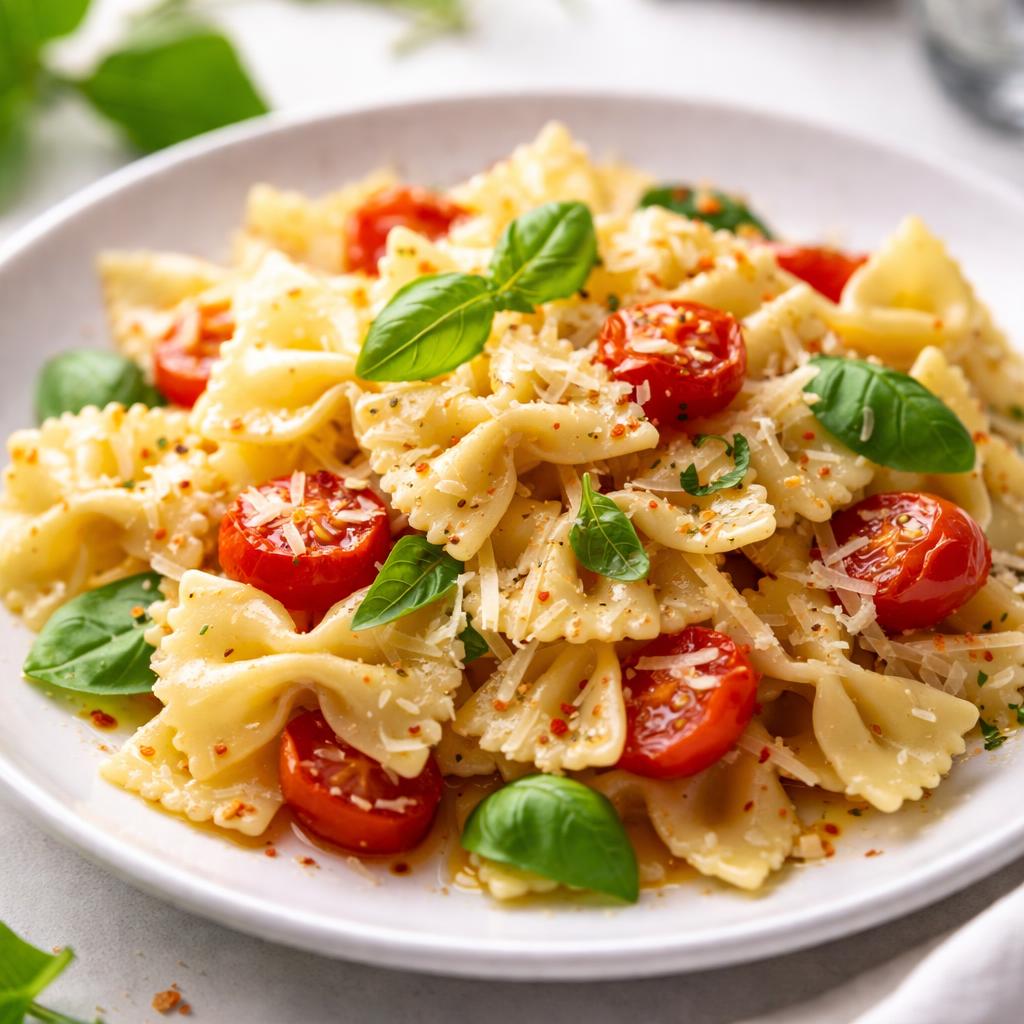
Bow Tie Pasta
🎯 Quick Verdict
Pasta and bow tie pasta are nutritionally identical, both made primarily from durum wheat flour. They contain similar amounts of calories, protein, carbs, and fiber per serving, with no significant differences. The choice between them typically comes down to preference for variety in shape or texture and suitability for specific recipes or presentations.

Smart Nutrition Tracking with SnapCalorie

📊 Nutritional Comparison
Macronutrients
| Nutrient | Food 1 | Food 2 | Winner |
|---|---|---|---|
| Calories | 210 (per 56g dry) | 210 (per 56g dry) | − |
| Protein | 7g | 7g | − |
| Carbs | 42g | 42g | − |
| Fat | 1g | 1g | − |
| Fiber | 2g | 2g | − |
Vitamins & Minerals
| Nutrient | Food 1 | Food 2 | Winner |
|---|---|---|---|
| Iron | 0.5mg | 0.5mg | − |
| Calcium | 10mg | 10mg | − |
| Vitamin B1 (Thiamin) | 0.14mg | 0.14mg | − |
🏆 Category Winners
Protein
Both foods contain the same quantity of protein at 7g per serving.
Fiber
Both provide the same fiber content at 2g per serving.
Calories
Calories are identical at 210 per serving.
Vitamins
Both are comparable in vitamin and mineral content.
🥗 Diet Compatibility
Keto
Food 1: Not Compatible
Food 2: Not Compatible
Both are high-carb foods unsuitable for keto diets.
Vegan
Food 1: Compatible
Food 2: Compatible
Both are plant-based and vegan-friendly.
Gluten Free
Food 1: Not Compatible
Food 2: Not Compatible
Both contain gluten as they are made from durum wheat.
Paleo
Food 1: Not Compatible
Food 2: Not Compatible
Grains like pasta are not allowed on paleo diets.
Low Carb
Food 1: Not Suitable
Food 2: Not Suitable
Both foods are high in carbohydrates, with 42g per serving.
💪 Health Benefits Comparison
Food 1 Benefits
- Provides sustained energy due to complex carbohydrates
- Source of protein for muscle repair
- Rich in iron for supporting red blood cells
Food 2 Benefits
- Convenient shape for holding sauces
- Provides steady energy from carbohydrates
- Contains protein important for overall health
✅ The Bottom Line
Both pasta and bow tie pasta offer the same nutritional value and can be used interchangeably in most recipes. The decision between them is purely based on appearance, texture, and compatibility with specific dishes. Bow tie pasta's decorative shape is best suited for pasta salads or visually appealing meals, while regular pasta shapes like spaghetti or penne adapt well to traditional dishes.
Choose Food 1 for: Everyday meals, classic pasta recipes, ease of preparation
Choose Food 2 for: Pasta salads, visually appealing dishes, variety in presentation


