Pasta Sauce VS Wheat Beer
A detailed nutritional comparison
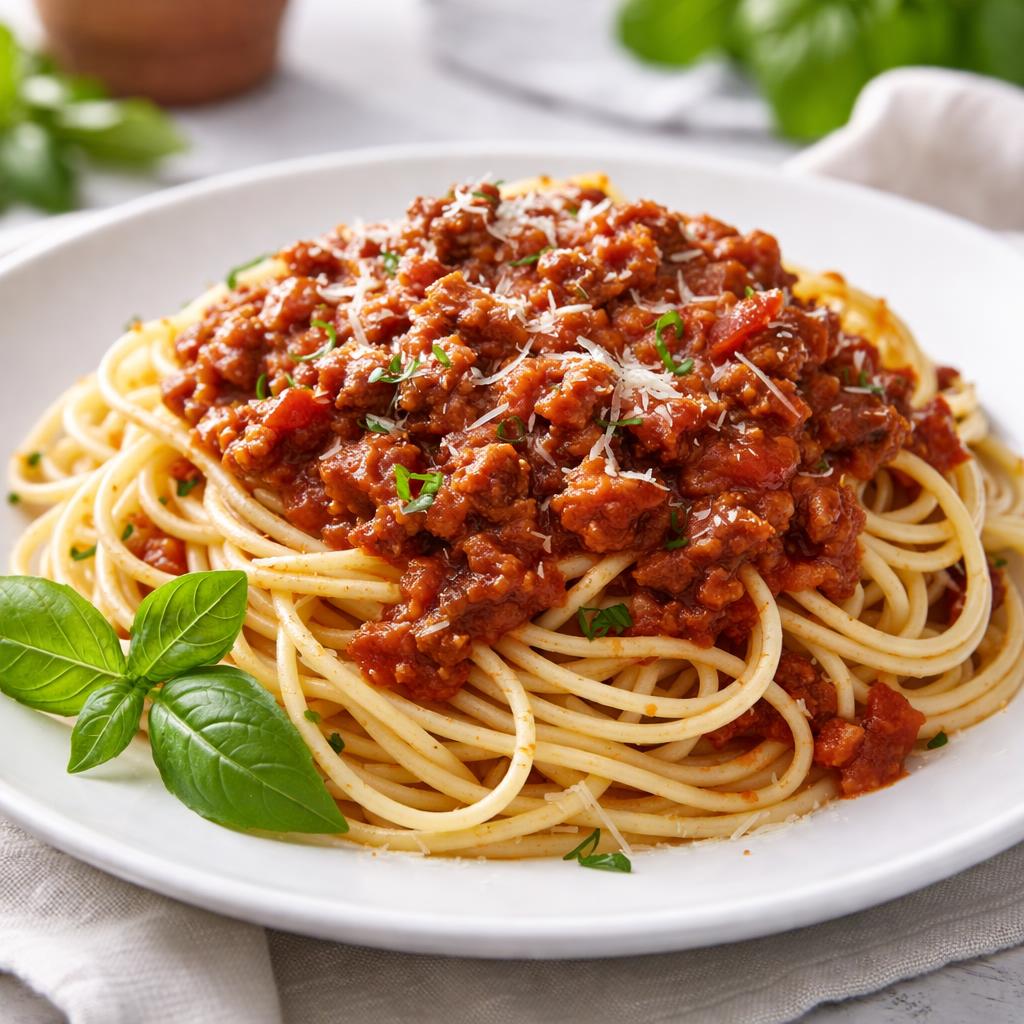
Pasta Sauce

Wheat Beer
🎯 Quick Verdict
Pasta sauce outperforms wheat beer in terms of nutrient density, providing more protein, fiber, and fewer calories per serving. Wheat beer is a source of antioxidants and is better suited for occasional indulgence rather than regular nutrition-focused consumption.

Smart Nutrition Tracking with SnapCalorie

📊 Nutritional Comparison
Macronutrients
| Nutrient | Food 1 | Food 2 | Winner |
|---|---|---|---|
| Calories | 70 | 170 | ✓ |
| Protein | 2g | 1.5g | ✓ |
| Carbs | 10g | 13g | ✓ |
| Fat | 3g | 0g | ✓ |
| Fiber | 2g | 0g | ✓ |
Vitamins & Minerals
| Nutrient | Food 1 | Food 2 | Winner |
|---|---|---|---|
| Vitamin C | 10mg | 0mg | ✓ |
| Vitamin A | 500IU | 0IU | ✓ |
| Iron | 0.5mg | 0.3mg | ✓ |
🏆 Category Winners
Protein
Pasta sauce contains slightly more protein per serving than wheat beer.
Fiber
Pasta sauce provides 2g of fiber per serving, while wheat beer has none.
Calories
Pasta sauce has less than half the calories per serving compared to wheat beer.
Vitamins
Pasta sauce is rich in vitamin C and A, which are absent in wheat beer.
🥗 Diet Compatibility
Keto
Food 1: Not Compatible
Food 2: Not Compatible
Both are relatively high in carbs, making them unsuitable for ketogenic diets.
Vegan
Food 1: Compatible
Food 2: Compatible
Both foods are plant-based and contain no animal products.
Gluten Free
Food 1: Compatible
Food 2: Not Compatible
Pasta sauce is gluten-free, while wheat beer contains gluten from wheat or barley.
Paleo
Food 1: Not Compatible
Food 2: Not Compatible
Both foods fall outside strict paleo guidelines due to processed ingredients.
Low-Carb
Food 1: Not Compatible
Food 2: Not Compatible
Both have a moderate carb content, making them unsuitable for low-carb diets.
💪 Health Benefits Comparison
Food 1 Benefits
- Rich in vitamin C and vitamin A to support immune health and vision.
- Provides a modest amount of fiber for digestive health.
- Low-calorie option suitable for weight management.
Food 2 Benefits
- Source of antioxidants that can help reduce oxidative stress.
- Contains trace minerals like magnesium and selenium from brewing ingredients.
- Moderate alcohol content may offer cardiovascular benefits when consumed responsibly.
✅ The Bottom Line
Pasta sauce is the clear nutritional winner, offering lower calories, more fiber, and higher amounts of beneficial vitamins. Wheat beer, while enjoyable occasionally, serves more as a beverage for relaxation rather than as a regular nutrient-rich choice.
Choose Food 1 for: Healthy meal accompaniment, weight management, nutrient supplementation
Choose Food 2 for: Social occasions, relaxation, moderate consumption for antioxidant benefits


