Pasta Sauce VS Turmeric Rice
A detailed nutritional comparison
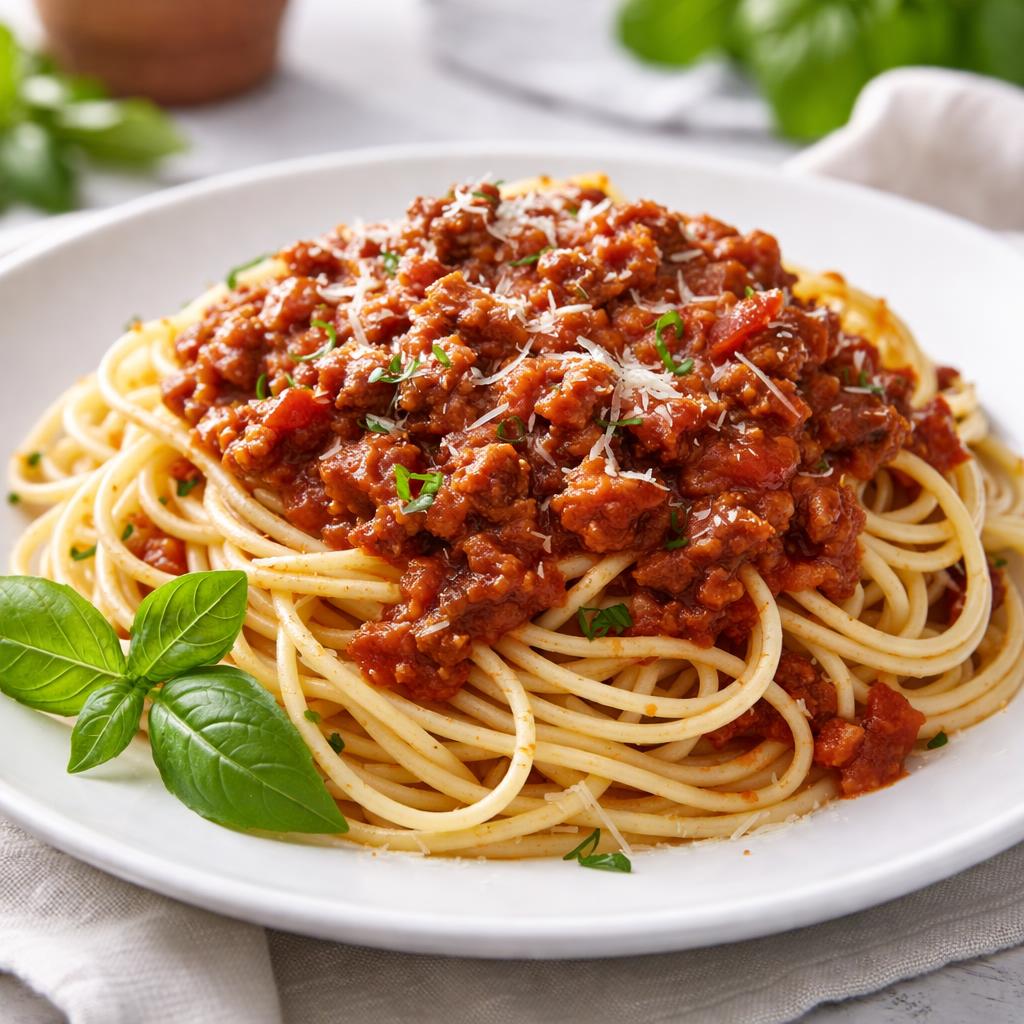
Pasta Sauce
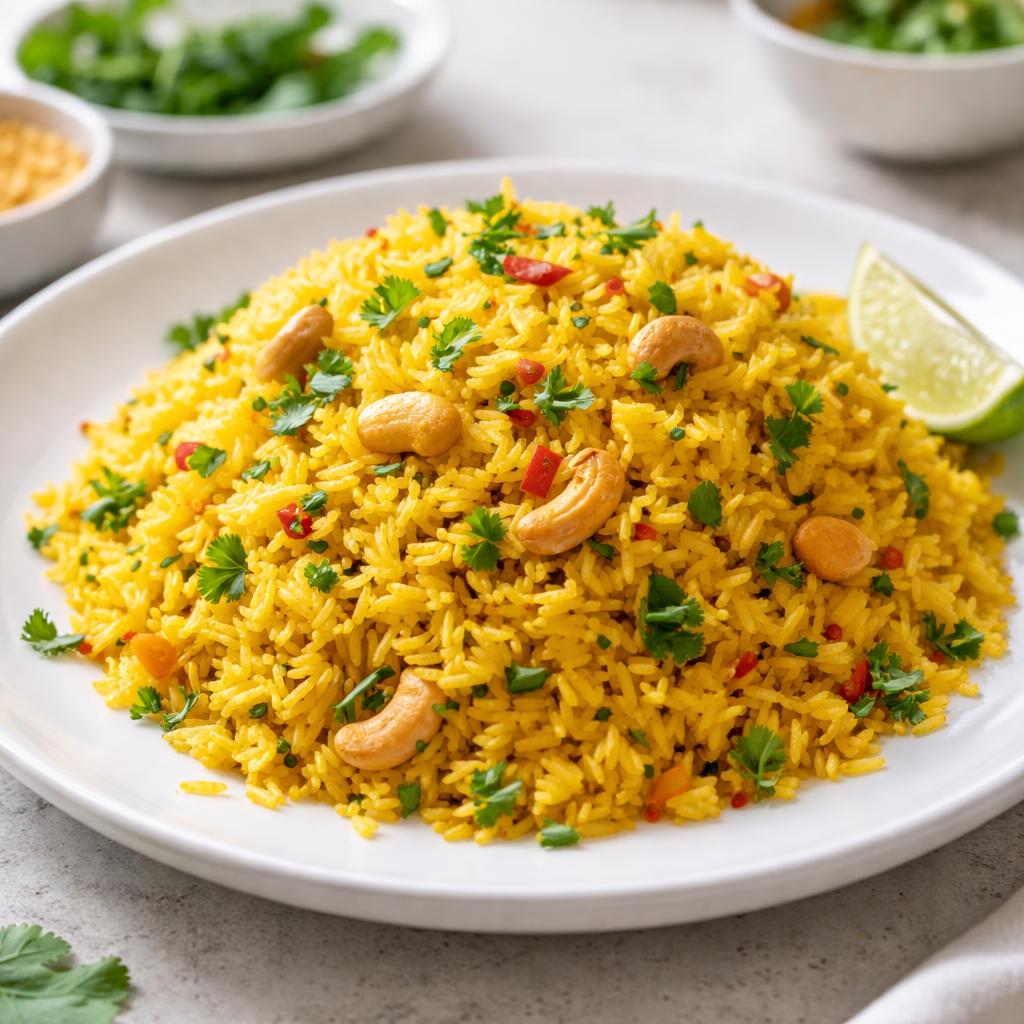
Turmeric Rice
🎯 Quick Verdict
Turmeric rice is the more nutrient-dense option, offering higher protein (4g vs. 2g) and fiber (2g vs. 1g) compared to pasta sauce, making it a better choice for sustained energy and digestion support. Pasta sauce is lower in calories (70 vs. 180 per serving) and works well for weight-conscious meals or as a flavorful topping for dishes.

Smart Nutrition Tracking with SnapCalorie

📊 Nutritional Comparison
Macronutrients
| Nutrient | Food 1 | Food 2 | Winner |
|---|---|---|---|
| Calories | 70 | 180 | ✓ |
| Protein | 2g | 4g | ✓ |
| Carbs | 12g | 36g | ✓ |
| Fat | 3g | 4g | ✓ |
| Fiber | 1g | 2g | ✓ |
Vitamins & Minerals
| Nutrient | Food 1 | Food 2 | Winner |
|---|---|---|---|
| Vitamin A | 15% DV | 0% DV | ✓ |
| Vitamin C | 10% DV | 0% DV | ✓ |
| Iron | 1mg | 2mg | ✓ |
| Potassium | 250mg | 50mg | ✓ |
🏆 Category Winners
Protein
Turmeric rice contains double the protein compared to pasta sauce.
Fiber
Turmeric rice provides twice as much dietary fiber.
Calories
Pasta sauce is much lower in calories, ideal for weight-conscious meals.
Vitamins
Pasta sauce is richer in vitamins A, C, and potassium, enhancing immune and eye health.
🥗 Diet Compatibility
Keto
Food 1: Compatible
Food 2: Not Compatible
Pasta sauce is lower in carbs (12g per serving) than turmeric rice (36g per serving).
Vegan
Food 1: Compatible
Food 2: Compatible
Both options are plant-based and suitable for vegan diets.
Gluten Free
Food 1: Compatible
Food 2: Compatible
Neither contains gluten.
Paleo
Food 1: Conditional
Food 2: Compatible
Most pasta sauces are paleo-friendly if free of added sugars, while turmeric rice aligns perfectly with paleo guidelines.
Low Carb
Food 1: Compatible
Food 2: Not Compatible
Pasta sauce is low-carb compared to turmeric rice.
💪 Health Benefits Comparison
Food 1 Benefits
- Low-calorie option for weight management
- Rich in Vitamin A for healthy skin and vision
- Contains potassium to support electrolyte balance
Food 2 Benefits
- Higher protein content for muscle repair and energy
- Rich in dietary fiber for digestion support
- Contains turmeric, an antioxidant with anti-inflammatory properties
✅ The Bottom Line
Choose turmeric rice for a nutrient-dense option with better protein and fiber content, especially for filling meals or if you need sustained energy. Opt for pasta sauce when prioritizing lower-calorie meals or as a flavorful, low-carb topping for dishes.
Choose Food 1 for: Low-calorie diets, keto-friendly meals, flavorful toppings
Choose Food 2 for: High-protein diets, digestive health, antioxidant-rich meals


