Pasta Sauce VS Shirataki Noodles
A detailed nutritional comparison
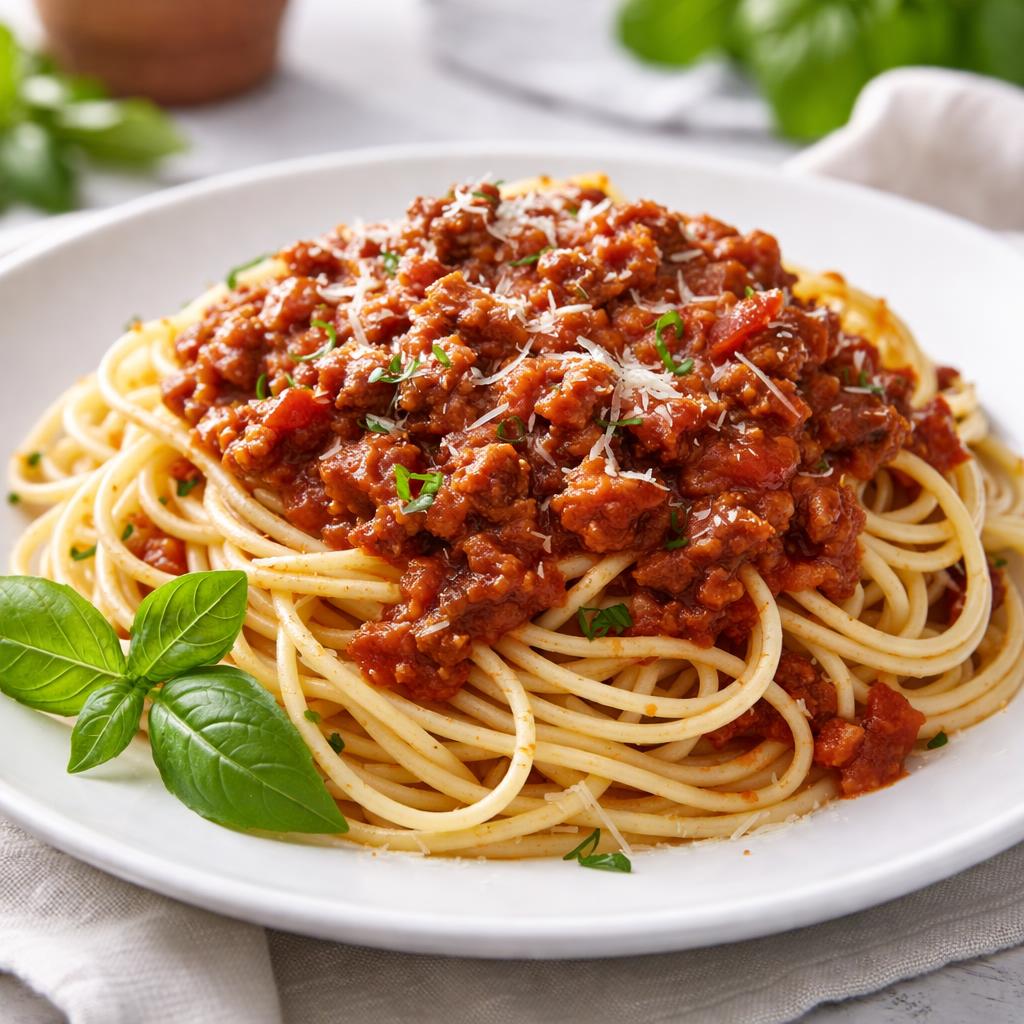
Pasta Sauce
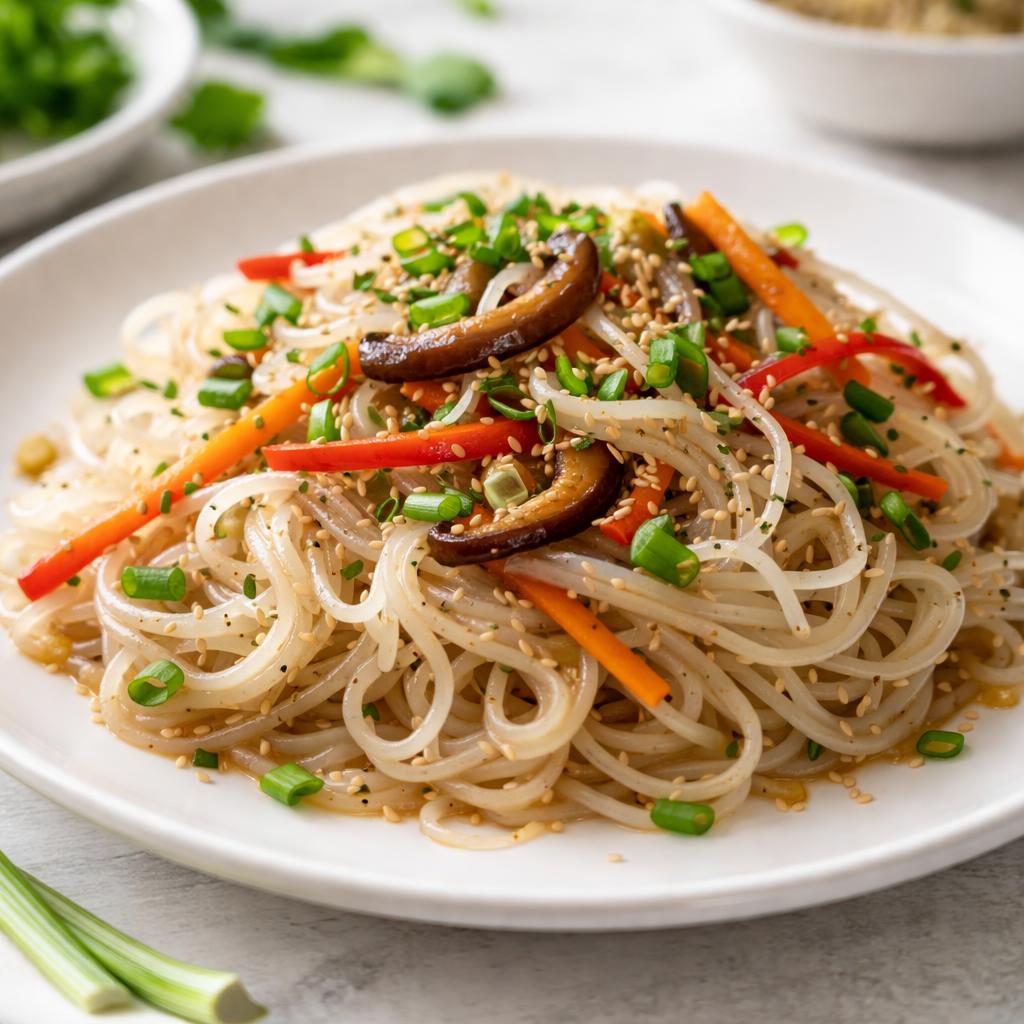
Shirataki Noodles
🎯 Quick Verdict
Pasta sauce offers higher protein and fiber, making it great for satiety and digestion, while shirataki noodles are extremely low-calorie and carb-free, ideal for weight management and low-carb diets. The sauce also has richer micronutrients, while shirataki noodles are primarily a calorie filler with minimal nutritional content.

Smart Nutrition Tracking with SnapCalorie

📊 Nutritional Comparison
Macronutrients
| Nutrient | Food 1 | Food 2 | Winner |
|---|---|---|---|
| Calories | 80 per ½ cup | 10 per ½ cup | ✓ |
| Protein | 2g | 0g | ✓ |
| Carbs | 12g | 3g | ✓ |
| Fat | 4g | 0g | ✓ |
| Fiber | 3g | 2g | ✓ |
Vitamins & Minerals
| Nutrient | Food 1 | Food 2 | Winner |
|---|---|---|---|
| Vitamin C | 8mg | 0mg | ✓ |
| Calcium | 20mg | 10mg | ✓ |
| Iron | 0.4mg | 0mg | ✓ |
🏆 Category Winners
Protein
Pasta sauce contains 2g of protein, while shirataki noodles contain none.
Fiber
Pasta sauce provides 3g of fiber, compared to 2g in shirataki noodles.
Calories
Shirataki noodles have just 10 calories per serving, significantly lower than pasta sauce (80 calories).
🥗 Diet Compatibility
Keto
Food 1: Not Compatible
Food 2: Compatible
Shirataki noodles are extremely low-carb, while pasta sauce contains 12g of carbs that may exceed keto limits.
Vegan
Food 1: Compatible
Food 2: Compatible
Both are plant-based and vegan-friendly.
Gluten Free
Food 1: Compatible
Food 2: Compatible
Neither food contains gluten ingredients.
Paleo
Food 1: Not Compatible
Food 2: Compatible
Shirataki noodles comply with paleo guidelines, but pasta sauce often contains processed ingredients not allowed in paleo diets.
Low-Carb
Food 1: Not Compatible
Food 2: Compatible
Shirataki noodles are almost carb-free, while pasta sauce contains 12g of carbohydrates per serving.
💪 Health Benefits Comparison
Food 1 Benefits
- Contains fiber that supports digestion
- Provides vitamin C for immune function
- Includes small amounts of protein for satiety
- Low in calories, making it suitable for portion control
Food 2 Benefits
- Extremely low in calories for weight management
- Virtually carb-free, fitting keto and low-carb diets
- Contains konjac glucomannan fiber for gut health
- Easy to include in a variety of diet plans as a light base
✅ The Bottom Line
Choose pasta sauce for a nutrient-rich condiment that adds flavor and fiber to meals. Opt for shirataki noodles when prioritizing low-calorie, low-carb options for weight loss or restrictive diets.
Choose Food 1 for: Adding flavor and nutrients, moderate carb diets, vegan meals
Choose Food 2 for: Low-calorie diets, keto meal plans, weight management


