Pasta Sauce VS Rice And Peas
A detailed nutritional comparison
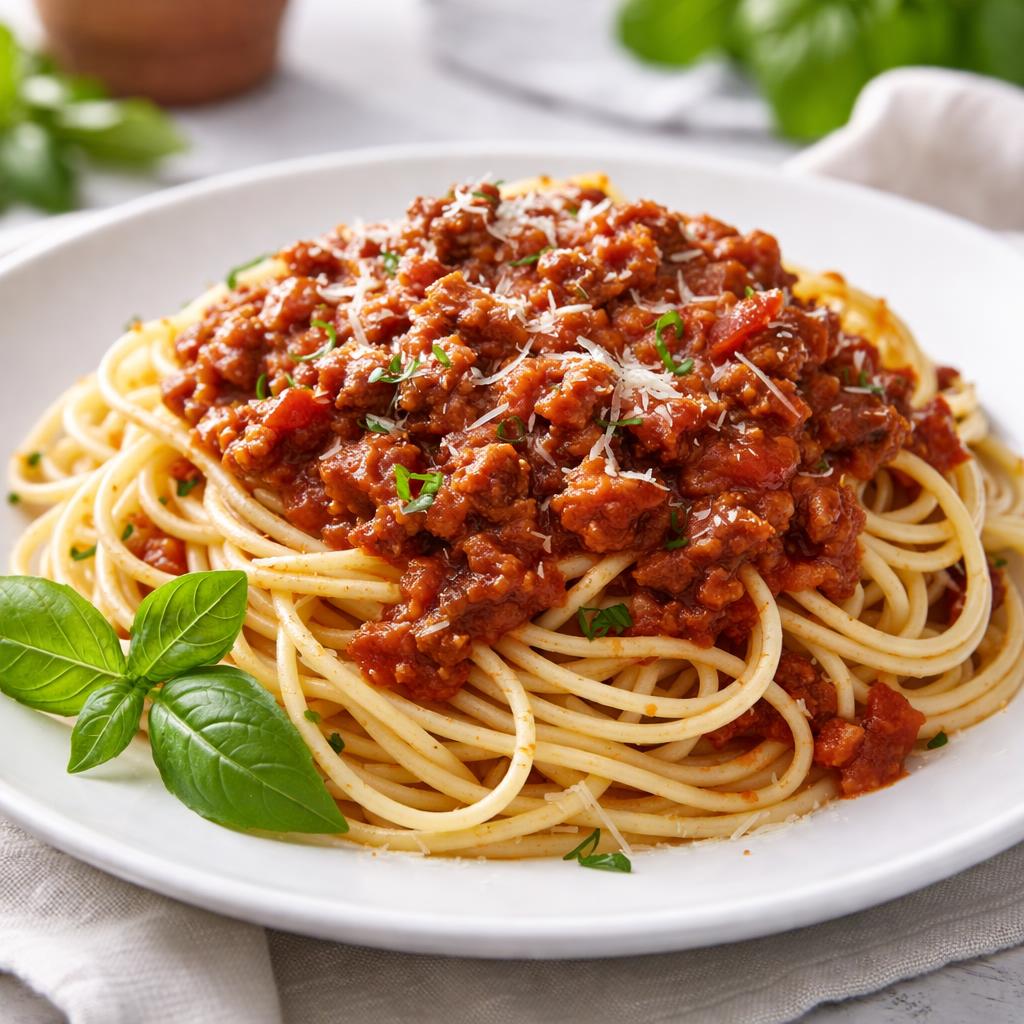
Pasta Sauce
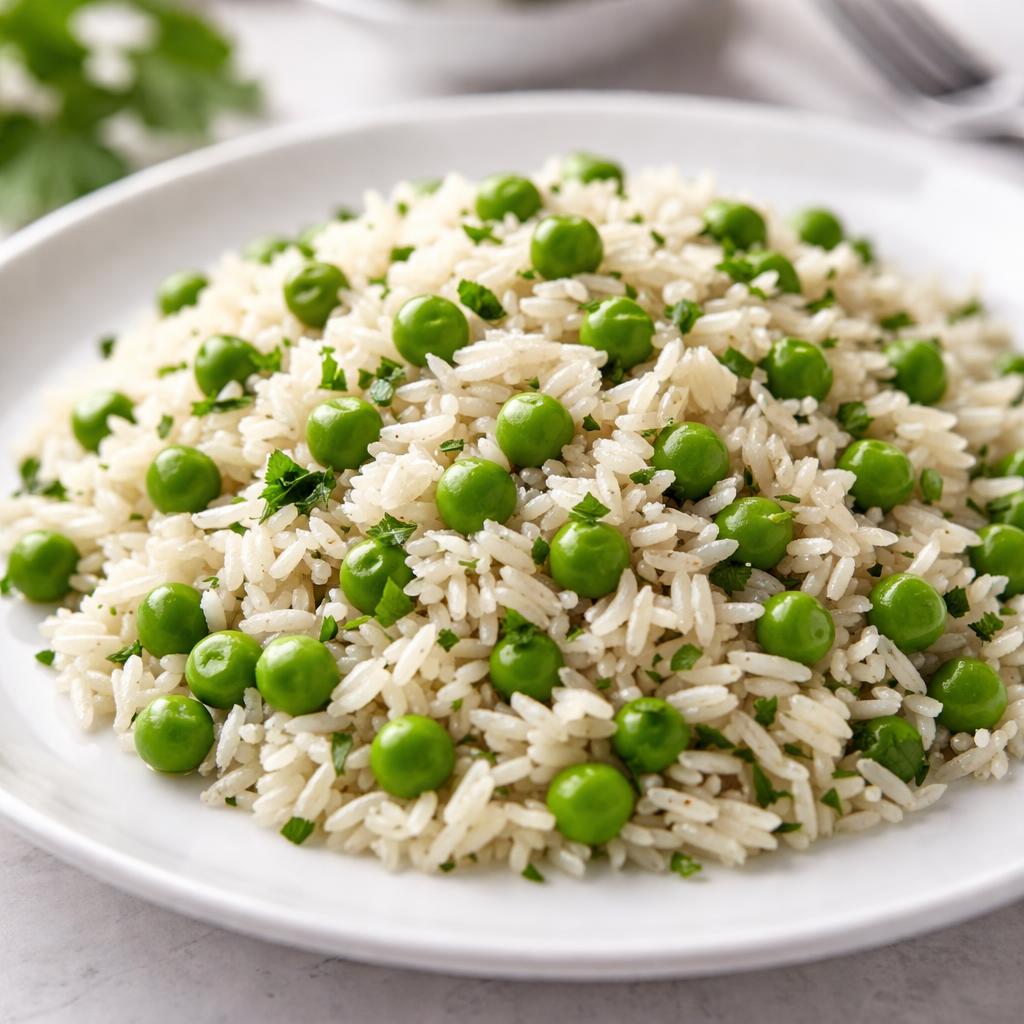
Rice And Peas
🎯 Quick Verdict
Rice and peas offers higher protein and fiber compared to pasta sauce, making it better for sustained energy and muscle maintenance. Pasta sauce has fewer calories and higher vitamins like vitamin C and potassium, but it is lower in macronutrients, making it best as a complementary part of a meal, not a standalone dish.

Smart Nutrition Tracking with SnapCalorie

📊 Nutritional Comparison
Macronutrients
| Nutrient | Food 1 | Food 2 | Winner |
|---|---|---|---|
| Calories | 120 | 120 | − |
| Protein | 2g | 8g | ✓ |
| Carbs | 18g | 22g | ✓ |
| Fat | 6g | 5g | ✓ |
| Fiber | 2g | 4g | ✓ |
Vitamins & Minerals
| Nutrient | Food 1 | Food 2 | Winner |
|---|---|---|---|
| Vitamin C | 10mg | 0mg | ✓ |
| Potassium | 400mg | 200mg | ✓ |
| Magnesium | 15mg | 40mg | ✓ |
🏆 Category Winners
Protein
Rice and peas contain 4 times more protein per serving.
Fiber
Rice and peas offer double the fiber content.
Calories
Both foods have an equal caloric value at 120 calories per serving.
Vitamins
Pasta sauce is richer in vitamin C and potassium.
🥗 Diet Compatibility
Keto
Food 1: Not Compatible
Food 2: Not Compatible
Both are high in carbohydrates.
Vegan
Food 1: Compatible
Food 2: Compatible
Both are plant-based foods.
Gluten Free
Food 1: Compatible
Food 2: Compatible
Neither contains gluten.
Paleo
Food 1: Compatible
Food 2: Not Compatible
Pasta sauce fits paleo if made without dairy or additives; rice isn't paleo-friendly.
Low-Carb
Food 1: Not Compatible
Food 2: Not Compatible
Both exceed typical low-carb thresholds due to carb content.
💪 Health Benefits Comparison
Food 1 Benefits
- Rich in potassium for heart health
- Contains vitamin C for immune function
- Low calorie, suitable for calorie-controlled diets
Food 2 Benefits
- High protein for muscle repair and maintenance
- Good source of dietary fiber for gut health
- Contains magnesium for bone health and energy production
✅ The Bottom Line
Choose rice and peas if your goal is to increase your protein and fiber intake or sustain energy throughout the day. Pasta sauce is a better choice for adding flavor, vitamins, and minerals to a dish while keeping meals low in calories.
Choose Food 1 for: Boosting vitamin C, low-calorie flavor addition, light meals
Choose Food 2 for: Protein-rich diets, sustained energy, gut health support


