Pasta Sauce VS Raw Rice
A detailed nutritional comparison
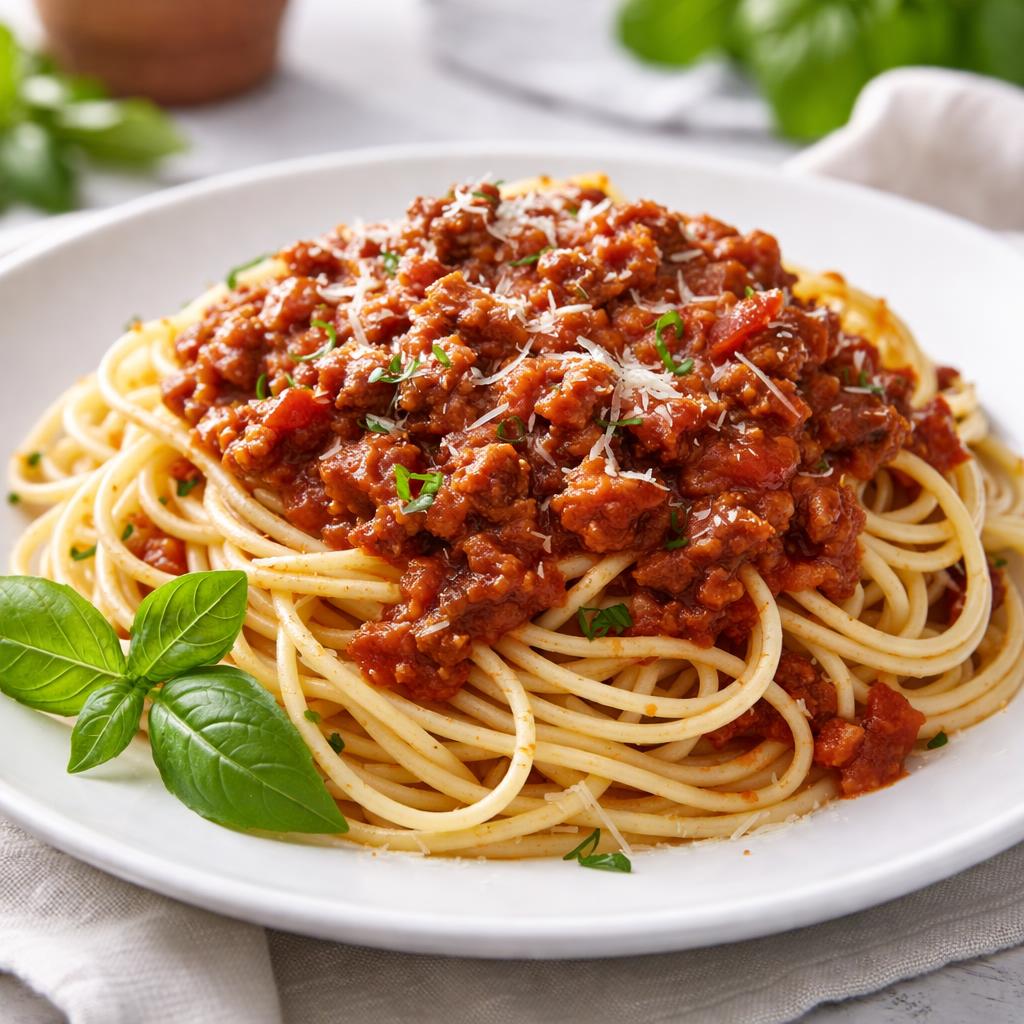
Pasta Sauce
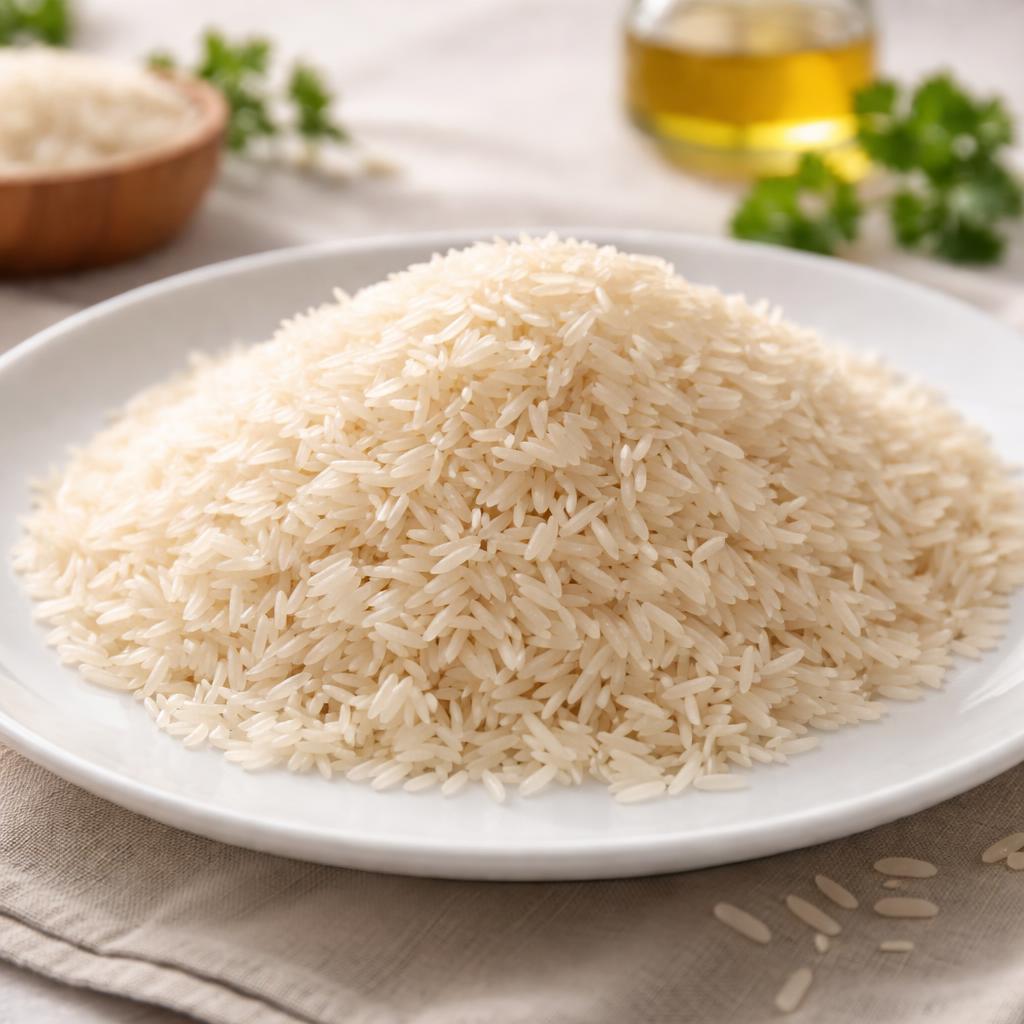
Raw Rice
🎯 Quick Verdict
Pasta sauce excels in protein and fiber, making it a nutrient-rich addition to meals. Raw rice is lower in calories and offers a more versatile carbohydrate base. Use pasta sauce as a flavor enhancer or nutrient booster, while raw rice works well for energy-dense meals or bulk preparation for side dishes.

Smart Nutrition Tracking with SnapCalorie

📊 Nutritional Comparison
Macronutrients
| Nutrient | Food 1 | Food 2 | Winner |
|---|---|---|---|
| Calories | 80 per 1/2 cup (125g) | 360 per 1 cup (185g) | ✓ |
| Protein | 2g | 6g | ✓ |
| Carbs | 10g | 80g | ✓ |
| Fat | 2g | 0.5g | ✓ |
| Fiber | 2g | 1g | ✓ |
Vitamins & Minerals
| Nutrient | Food 1 | Food 2 | Winner |
|---|---|---|---|
| Vitamin C | 10mg | 0mg | ✓ |
| Vitamin A | 500 IU | 0 IU | ✓ |
| Calcium | 20mg | 10mg | ✓ |
| Iron | 0.5mg | 0mg | ✓ |
🏆 Category Winners
Protein
Raw rice contains three times more protein per serving compared to pasta sauce.
Fiber
Pasta sauce provides double the fiber per serving than raw rice.
Calories
Pasta sauce contains significantly fewer calories.
Vitamins
Pasta sauce is richer in key vitamins like Vitamin C and Vitamin A.
🥗 Diet Compatibility
Keto
Food 1: Not Compatible
Food 2: Not Compatible
Both foods are carbohydrate-dense and not suitable for keto diets.
Vegan
Food 1: Compatible
Food 2: Compatible
Both foods are plant-based and vegan-friendly.
Gluten Free
Food 1: Compatible
Food 2: Compatible
Neither food contains gluten naturally.
Paleo
Food 1: Not Compatible
Food 2: Not Compatible
Neither food aligns with paleo principles due to processing and carb content.
Low-Carb
Food 1: Not Compatible
Food 2: Not Compatible
Both foods are relatively high in carbs and unsuitable for low-carb diets.
💪 Health Benefits Comparison
Food 1 Benefits
- Rich in antioxidants from tomatoes, which support heart health
- Good source of Vitamin C for immune system support
- Provides dietary fiber for improved digestion
Food 2 Benefits
- Highly versatile carbohydrate source for sustained energy
- Low fat content, suitable for controlled fat diets
- Contains trace minerals like magnesium, supporting bone health
✅ The Bottom Line
Pasta sauce is nutrient-dense, providing vitamins and fiber, making it a great accompaniment to dishes or a source of quick nutrients. Raw rice, on the other hand, serves as a versatile staple for high-energy meals. Opt for pasta sauce when flavor and nutrient content are priorities, and raw rice for bulk-meal preparation and calorically dense needs.
Choose Food 1 for: Quick nutrient addition, immune support, digestion
Choose Food 2 for: Energy-rich meals, versatile preparation, low-fat diets


