Pasta Sauce VS Homemade Bread
A detailed nutritional comparison
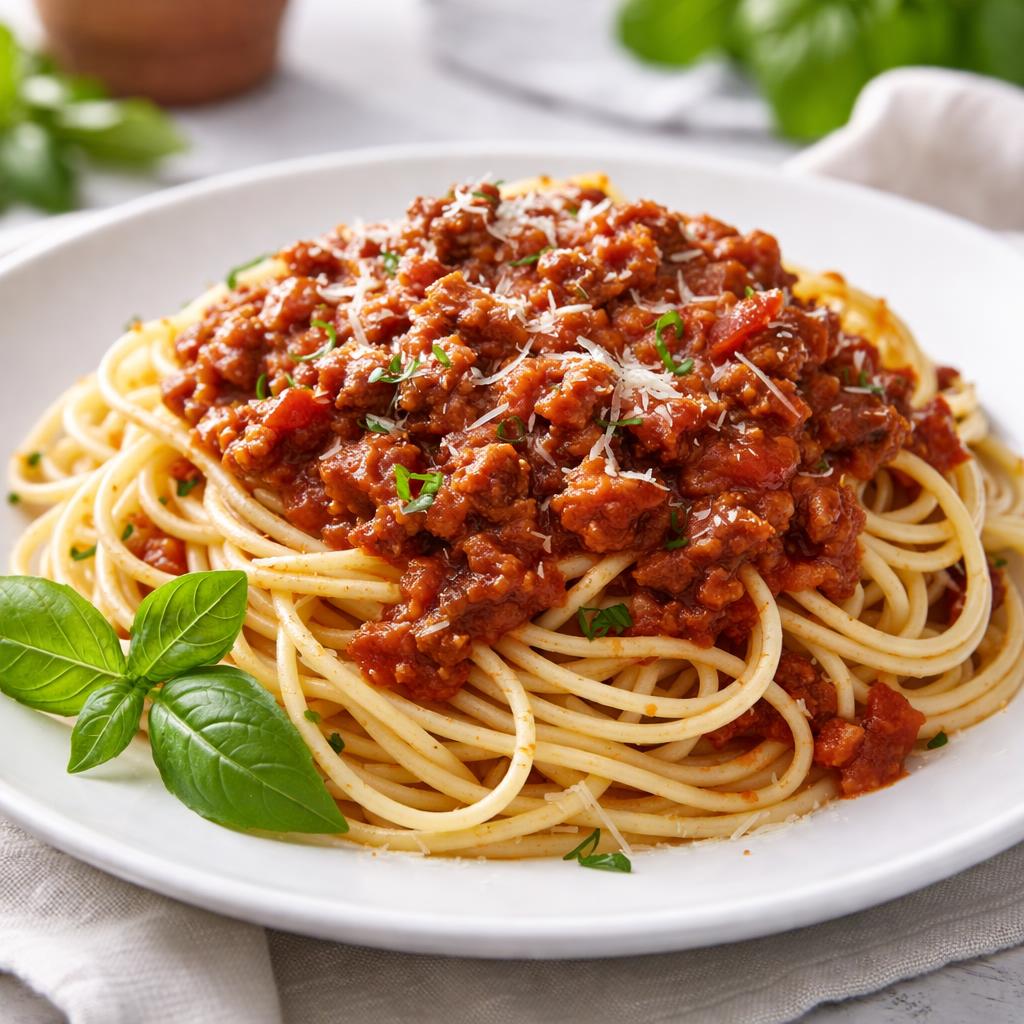
Pasta Sauce
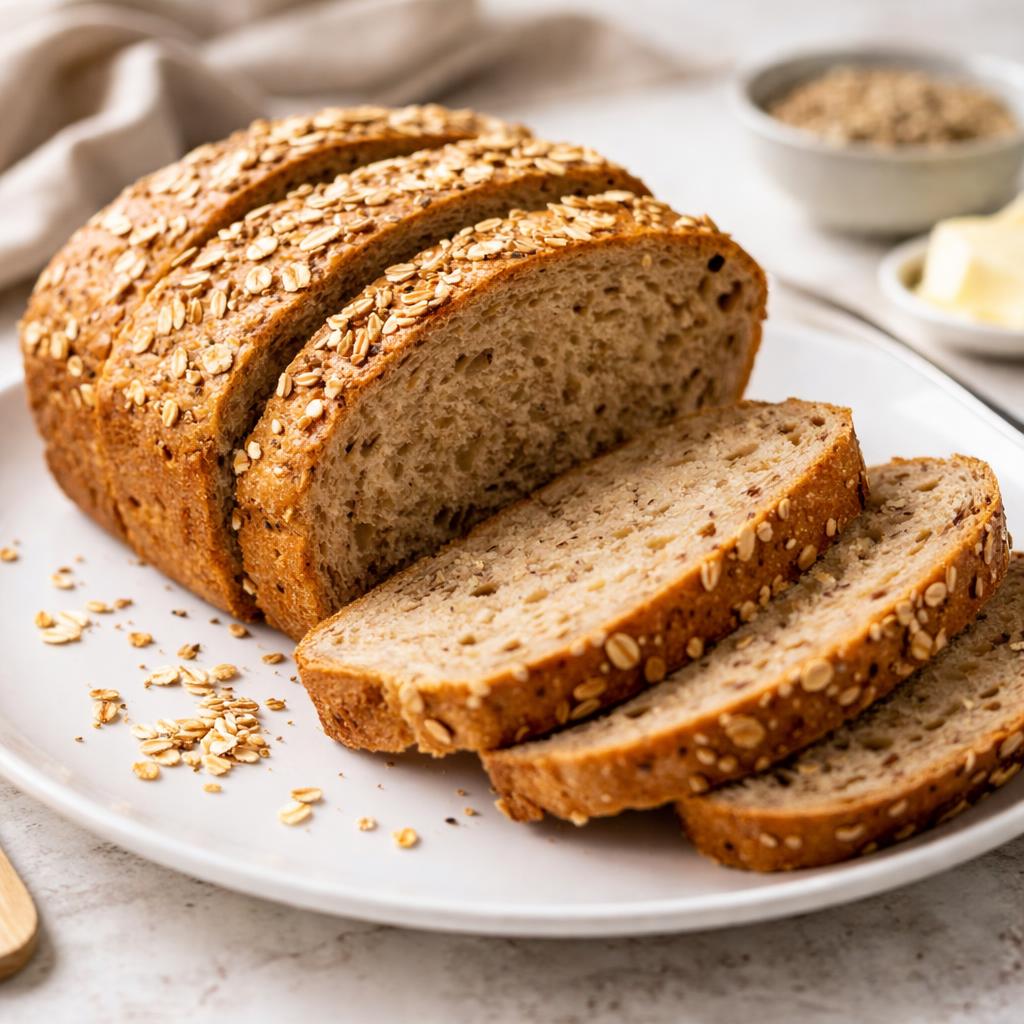
Homemade Bread
🎯 Quick Verdict
Pasta sauce excels in being lower calorie and higher in fiber, making it ideal for lighter meals. Homemade bread, on the other hand, provides more protein and is calorie-dense, making it better for energy needs. Each food suits different dietary goals based on these differences.

Smart Nutrition Tracking with SnapCalorie

📊 Nutritional Comparison
Macronutrients
| Nutrient | Food 1 | Food 2 | Winner |
|---|---|---|---|
| Calories | 80 | 150 | ✓ |
| Protein | 2g | 6g | ✓ |
| Carbs | 15g | 25g | ✓ |
| Fat | 3g | 4g | ✓ |
| Fiber | 2g | 1g | ✓ |
Vitamins & Minerals
| Nutrient | Food 1 | Food 2 | Winner |
|---|---|---|---|
| Vitamin C | 10mg | 0mg | ✓ |
| Iron | 1mg | 2mg | ✓ |
| Calcium | 20mg | 30mg | ✓ |
🏆 Category Winners
Protein
Homemade bread has three times more protein per serving than pasta sauce.
Fiber
Pasta sauce provides double the fiber per serving.
Calories
Pasta sauce contains significantly fewer calories, making it ideal for weight management.
Vitamins
Pasta sauce is rich in Vitamin C, an essential antioxidant not found in bread.
🥗 Diet Compatibility
Keto
Food 1: Not Compatible
Food 2: Not Compatible
Both foods have a moderate to high carb content, unsuitable for keto diets.
Vegan
Food 1: Compatible
Food 2: Compatible
Neither food contains animal products, making them suitable for vegans.
Gluten Free
Food 1: Compatible
Food 2: Not Compatible
Homemade bread contains gluten unless made with gluten-free flour, unlike pasta sauce.
Paleo
Food 1: Not Compatible
Food 2: Not Compatible
Both foods contain processed ingredients or grains not allowed in paleo diets.
Low-Carb
Food 1: Partially Compatible
Food 2: Not Compatible
Pasta sauce is lower in carbs compared to bread, but neither is fully suitable for strict low-carb diets.
💪 Health Benefits Comparison
Food 1 Benefits
- Contains Vitamin C for immune support
- Low calorie, useful in weight management
- Provides fiber for digestive health
Food 2 Benefits
- Rich in protein for muscle maintenance
- Provides long-lasting energy from complex carbs
- Source of iron and calcium for bone health
✅ The Bottom Line
Pasta sauce is a great low-calorie option with added vitamins and fiber, suitable for light meals and weight loss. Homemade bread is better for energy, protein, and nutrient density, particularly for individuals needing sustained energy or nutrient-rich options. Choose based on your specific dietary needs.
Choose Food 1 for: Low-calorie meals, fiber-rich diets, vitamin C intake
Choose Food 2 for: Energy needs, high-protein diets, nutrient density


