Pasta Sauce VS Chickpea Pasta
A detailed nutritional comparison
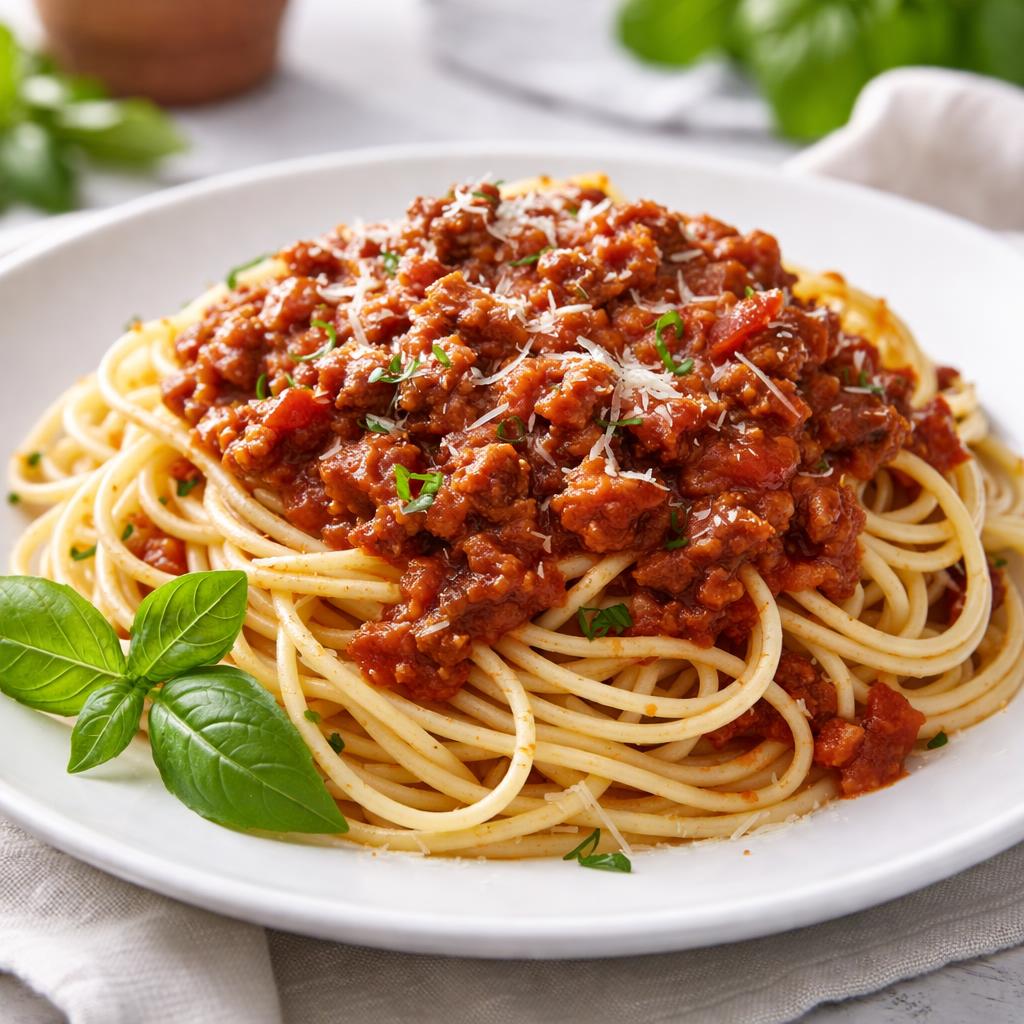
Pasta Sauce
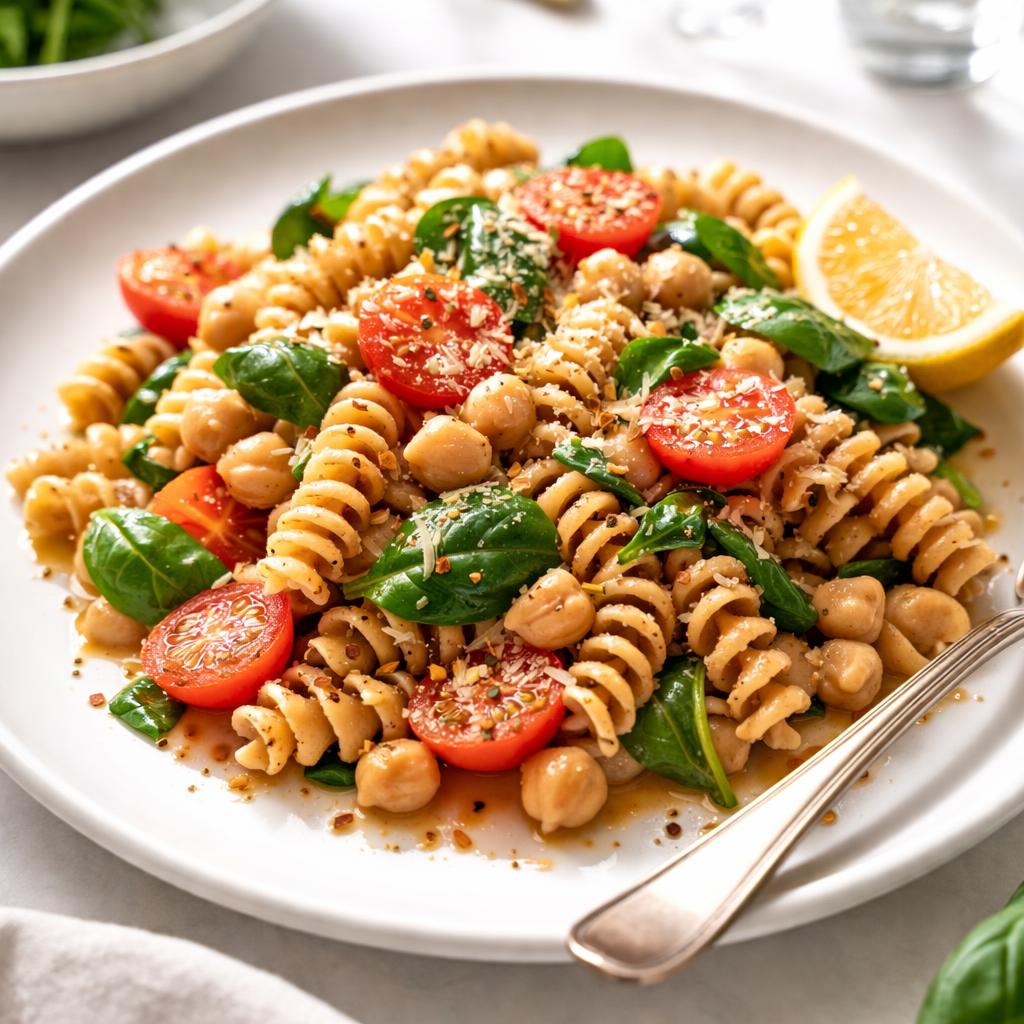
Chickpea Pasta
🎯 Quick Verdict
Chickpea pasta shines when it comes to protein (14g per serving) and fiber (8g per serving), making it ideal for muscle building and digestion. Pasta sauce is lower in calories (70 per serving) and higher in vitamins like vitamin C, making it a good complement or light side option. Pairing both offers a balanced meal with diverse benefits.

Smart Nutrition Tracking with SnapCalorie

📊 Nutritional Comparison
Macronutrients
| Nutrient | Food 1 | Food 2 | Winner |
|---|---|---|---|
| Calories | 70 per 0.5 cup (125g) | 190 per 2 oz dry (56g) | ✓ |
| Protein | 2g | 14g | ✓ |
| Carbs | 14g | 32g | ✓ |
| Fat | 2g | 3.5g | ✓ |
| Fiber | 2g | 8g | ✓ |
Vitamins & Minerals
| Nutrient | Food 1 | Food 2 | Winner |
|---|---|---|---|
| Vitamin C | 15mg | 0mg | ✓ |
| Vitamin A | 300mcg | 0mcg | ✓ |
| Iron | 0.8mg | 2.5mg | ✓ |
🏆 Category Winners
Protein
Chickpea pasta provides 14g of protein per serving, significantly more than pasta sauce's 2g.
Fiber
Chickpea pasta delivers 8g of fiber per serving, four times more than pasta sauce's 2g.
Calories
Pasta sauce has only 70 calories per serving, much lower compared to chickpea pasta's 190 calories.
Vitamins
Pasta sauce contains notable amounts of vitamin C and vitamin A, whereas chickpea pasta is lower in vitamins.
🥗 Diet Compatibility
Keto
Food 1: Not Compatible
Food 2: Not Compatible
Both foods are high in carbohydrates and do not fit a keto diet.
Vegan
Food 1: Compatible
Food 2: Compatible
Both pasta sauce and chickpea pasta are plant-based and suitable for a vegan diet.
Gluten Free
Food 1: May Be Compatible
Food 2: Compatible
Chickpea pasta is naturally gluten-free, whereas pasta sauce compatibility depends on specific ingredients or thickeners used.
Paleo
Food 1: Not Compatible
Food 2: May Be Compatible
Pasta sauce typically contains non-paleo ingredients like sugar, while chickpea pasta may be suitable depending on individual paleo guidelines.
Low-Carb
Food 1: Not Compatible
Food 2: Not Compatible
Both are relatively high in carbs, with chickpea pasta having 32g and pasta sauce 14g per serving.
💪 Health Benefits Comparison
Food 1 Benefits
- Low in calories, suitable for weight management
- Rich in vitamin C for immune support
- Source of lycopene, an antioxidant that may benefit heart health
Food 2 Benefits
- High in protein for muscle building and maintenance
- Excellent source of fiber to support digestion and gut health
- Provides plant-based iron for energy and blood health
- Contains complex carbohydrates for sustained energy
✅ The Bottom Line
Chickpea pasta is the better choice for those looking for high protein, fiber, and sustained energy, whereas pasta sauce is ideal for lighter calorie intake and vitamin-rich meals. Combine both for a balanced dish that supports diverse dietary goals.
Choose Food 1 for: Low-calorie dishes, vitamin boost, side options or sauces
Choose Food 2 for: Protein-rich meals, digestive health, main dishes or plant-based replacements


