Pasta Sauce VS Buldak Noodles
A detailed nutritional comparison
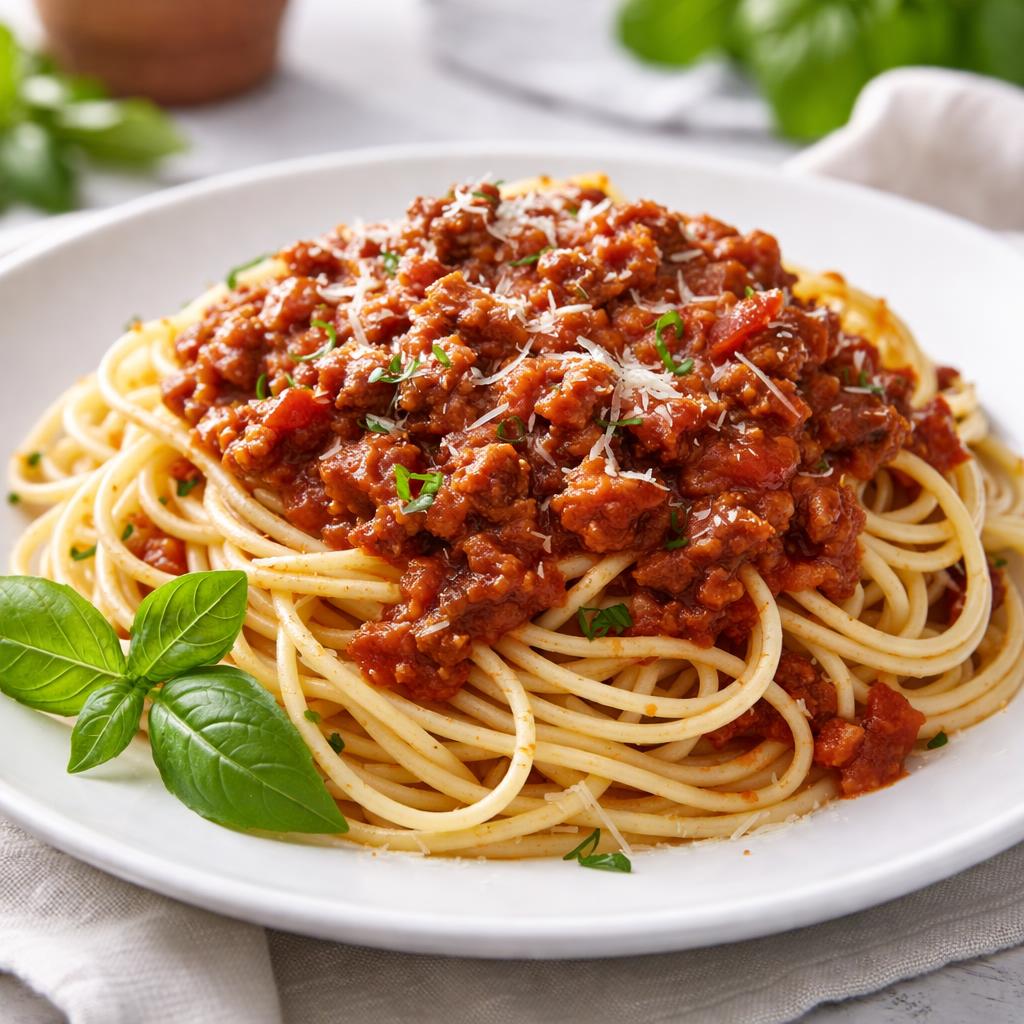
Pasta Sauce
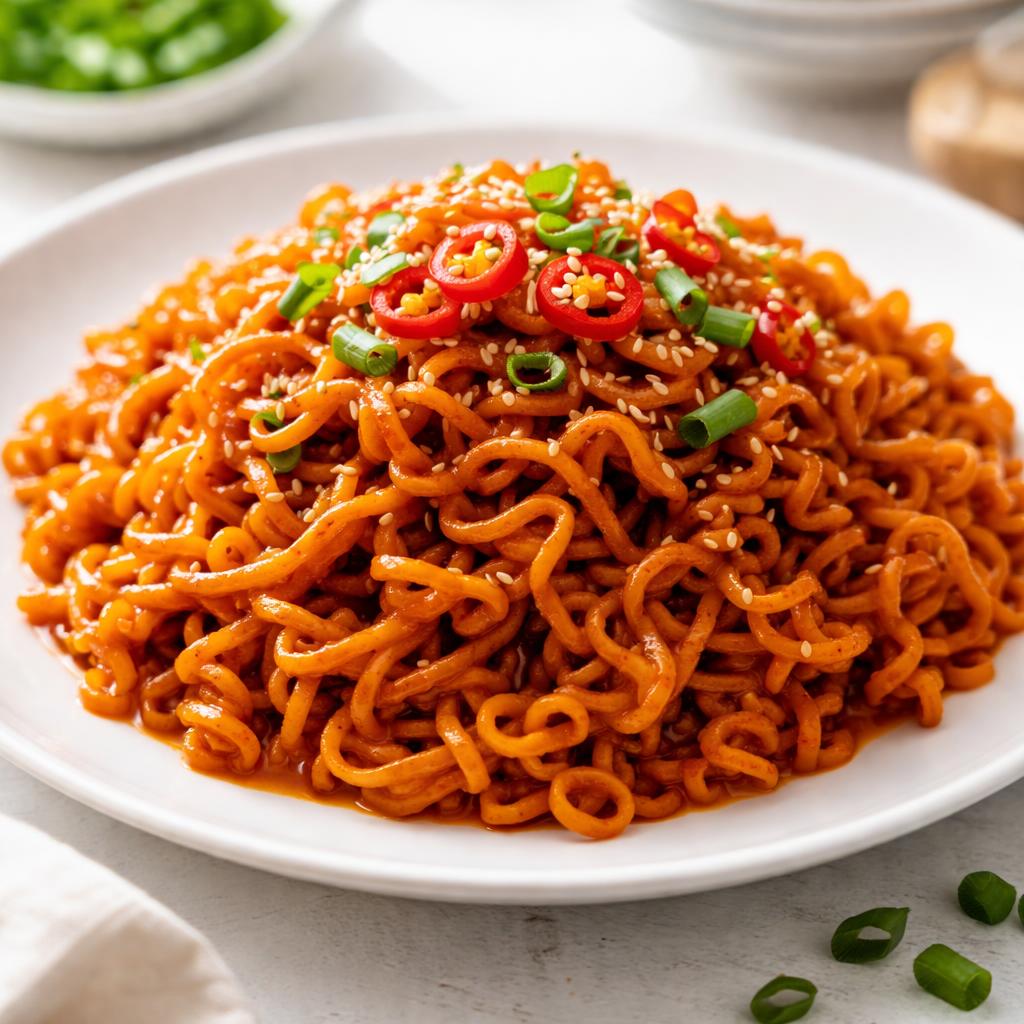
Buldak Noodles
🎯 Quick Verdict
Pasta sauce is lower in calories, higher in protein and fiber, and contains more micronutrients like vitamins D and C. Buldak noodles, on the other hand, provide more energy, carbs, and fat, making them better for quick calorie replenishment but less ideal for balanced nutrition. Pasta sauce is versatile for healthy meals, while buldak noodles fit energy-dense occasions or indulgent cravings.

Smart Nutrition Tracking with SnapCalorie

📊 Nutritional Comparison
Macronutrients
| Nutrient | Food 1 | Food 2 | Winner |
|---|---|---|---|
| Calories | 80 | 530 | ✓ |
| Protein | 3g | 2g | ✓ |
| Carbs | 11g | 78g | ✓ |
| Fat | 1g | 21g | ✓ |
| Fiber | 2g | 1g | ✓ |
Vitamins & Minerals
| Nutrient | Food 1 | Food 2 | Winner |
|---|---|---|---|
| Vitamin D | 2mcg | 0mcg | ✓ |
| Vitamin C | 8mg | 0mg | ✓ |
| Iron | 0.5mg | 2mg | ✓ |
🏆 Category Winners
Protein
Pasta sauce contains 50% more protein per serving.
Fiber
Pasta sauce has double the fiber content.
Calories
Pasta sauce is significantly lower in calories (85% fewer).
Vitamins
Pasta sauce has more vitamin D and vitamin C compared to buldak noodles.
🥗 Diet Compatibility
Keto
Food 1: Not Compatible
Food 2: Not Compatible
Both have too many carbs for keto diets.
Vegan
Food 1: Compatible
Food 2: Not Compatible
Pasta sauce is plant-based; buldak noodles often contain animal-based ingredients in sauces.
Gluten Free
Food 1: Compatible
Food 2: Not Compatible
Buldak noodles typically contain wheat, but gluten-free versions of pasta sauce are available.
Paleo
Food 1: Compatible with adjustments
Food 2: Not Compatible
Pasta sauce can fit paleo diets if free of sugar and processed additives; buldak noodles are processed and not suitable.
Low-Carb
Food 1: Not Compatible
Food 2: Not Compatible
Both foods are carbohydrate-heavy.
💪 Health Benefits Comparison
Food 1 Benefits
- Low-calorie option for weight control
- Good source of vitamins like vitamin C for immune health
- Contains fiber for better digestion
- Minimal fat content, ideal for low-fat diets
Food 2 Benefits
- Provides quick energy with high carbs
- Rich in iron for blood health
- Flavors rich in capsaicin from spicy ingredients may boost metabolism
- Contains fats that may contribute to satiety
✅ The Bottom Line
Choose pasta sauce for lower calorie meals, balanced nutrition, and a versatile cooking ingredient. Opt for buldak noodles when you need an energy-dense and flavorful meal, especially in less frequent indulgent scenarios.
Choose Food 1 for: Low-calorie diets, nutrient-dense meals, light toppings
Choose Food 2 for: Quick energy, high-carb meals, indulgent comfort food


