Pasta Salad VS Gluten Free Pasta
A detailed nutritional comparison
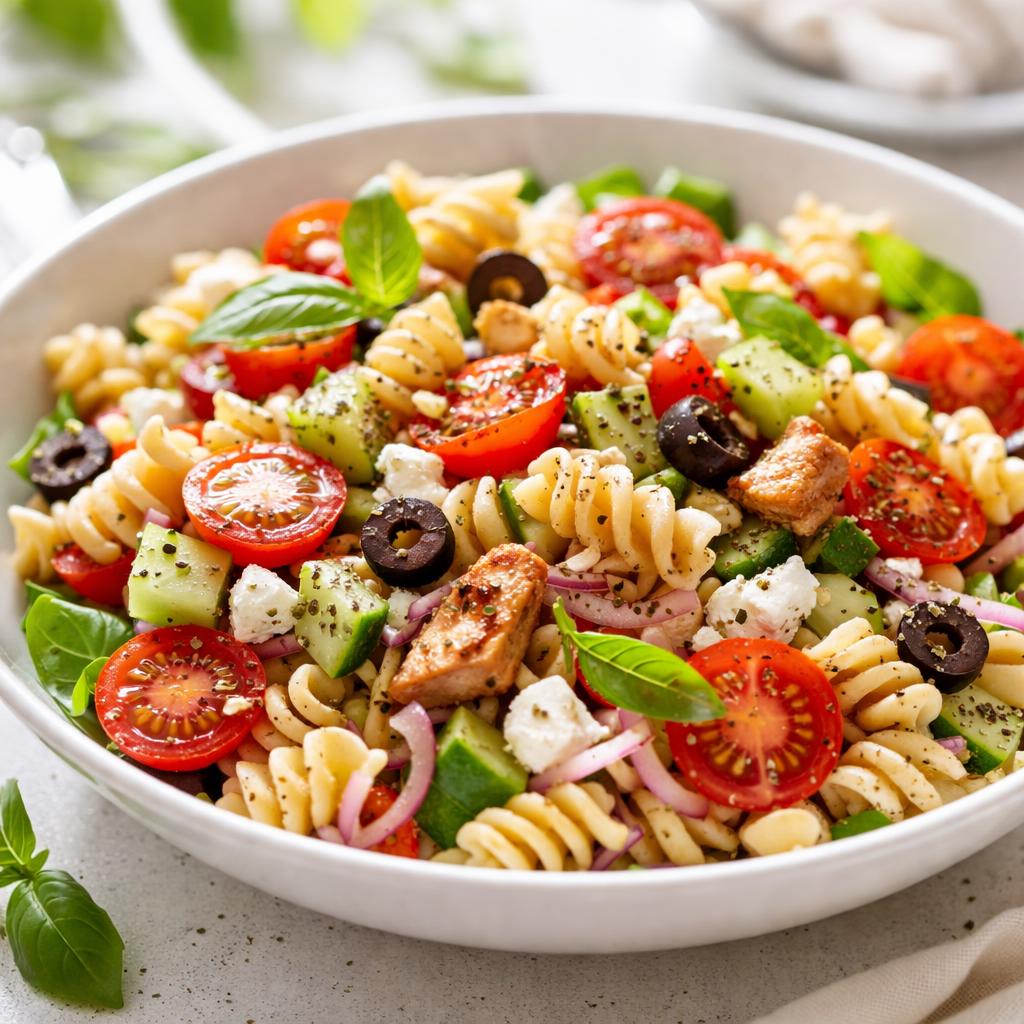
Pasta Salad
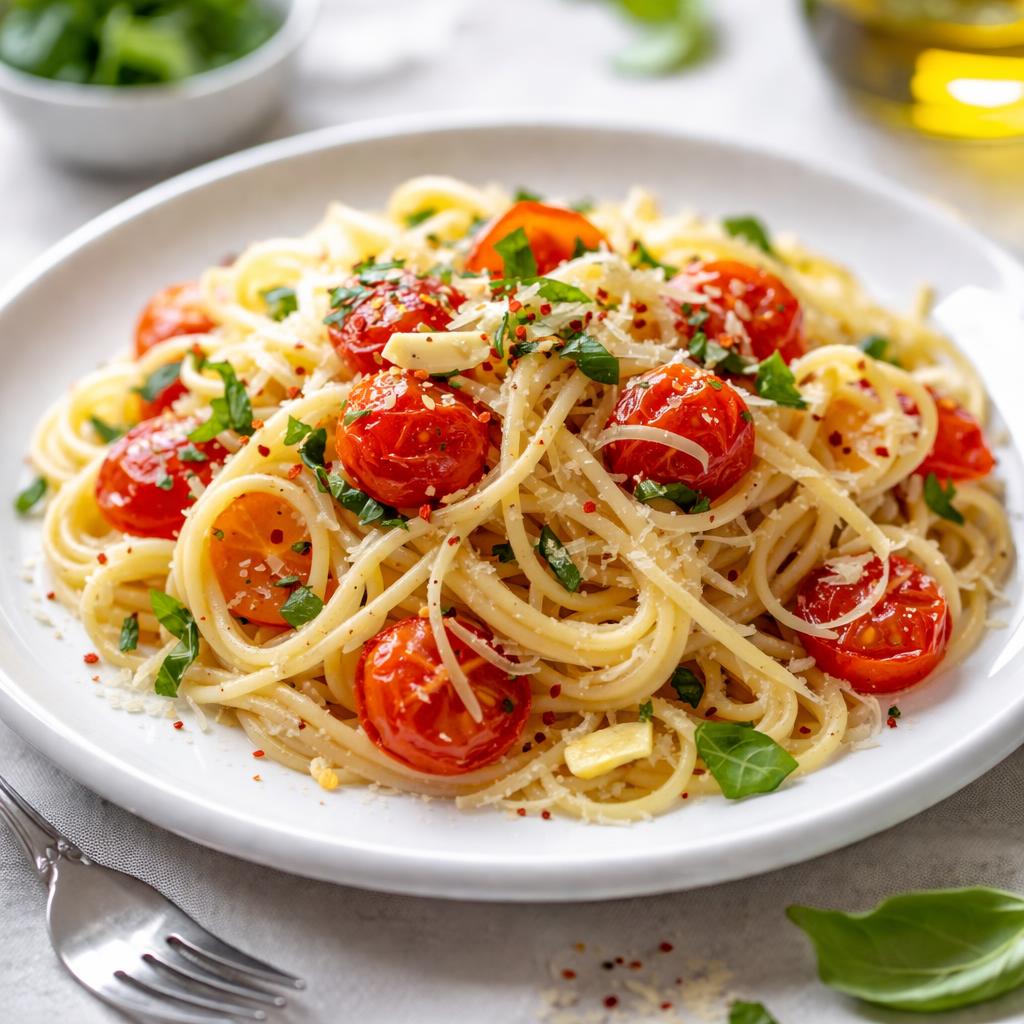
Gluten Free Pasta
🎯 Quick Verdict
Pasta salad is higher in protein and fiber due to added vegetables and potentially lean protein sources like chicken or beans. Gluten-free pasta falls short in protein and fiber but is lower in calories and gluten-free, catering to specific dietary needs. Pasta salad is versatile for balanced meals, whereas gluten-free pasta is ideal for those avoiding gluten while still enjoying classic pasta dishes.

Smart Nutrition Tracking with SnapCalorie

📊 Nutritional Comparison
Macronutrients
| Nutrient | Food 1 | Food 2 | Winner |
|---|---|---|---|
| Calories | 250 | 200 | ✓ |
| Protein | 10g | 6g | ✓ |
| Carbs | 30g | 40g | ✓ |
| Fat | 8g | 2g | ✓ |
| Fiber | 4g | 2g | ✓ |
Vitamins & Minerals
| Nutrient | Food 1 | Food 2 | Winner |
|---|---|---|---|
| Vitamin D | 0mcg | 0mcg | − |
| Calcium | 50mg | 30mg | ✓ |
| Iron | 1.5mg | 1mg | ✓ |
🏆 Category Winners
Protein
Pasta salad contains added lean protein and has 40% more protein per serving.
Fiber
Pasta salad includes fiber-rich vegetables, doubling the fiber content compared to gluten-free pasta.
Calories
Gluten-free pasta has 20% fewer calories per serving, making it lighter.
🥗 Diet Compatibility
Keto
Food 1: Not Compatible
Food 2: Not Compatible
Both foods are high in carbohydrates and not suitable for a keto diet.
Vegan
Food 1: Depends
Food 2: Compatible
Food1 is vegan if no animal protein is added; gluten-free pasta is fully vegan.
Gluten Free
Food 1: Not Compatible
Food 2: Compatible
Food1 typically includes regular pasta, while food2 is specifically gluten-free.
Paleo
Food 1: Not Compatible
Food 2: Not Compatible
Both use processed pasta, which is not compliant with paleo diets.
Low Carb
Food 1: Not Compatible
Food 2: Not Compatible
Both foods have high carbohydrate content and exceed low-carb limits.
💪 Health Benefits Comparison
Food 1 Benefits
- Higher in protein to support muscle building and maintenance.
- Good source of fiber for digestive health.
- Can include antioxidant-rich vegetables like peppers, tomatoes, and spinach.
Food 2 Benefits
- Lower in calories for those managing weight.
- Gluten-free alternative for individuals with celiac disease or gluten intolerance.
- Easy to pair with nutrient-dense sauces or vegetable-based additions.
✅ The Bottom Line
Choose pasta salad for a balanced meal high in protein and fiber, especially post-workout or for filling lunches. Opt for gluten-free pasta if you need a gluten-free option and want lighter calories suitable for a variety of diets.
Choose Food 1 for: Balanced meals, post-workout recovery, gut health.
Choose Food 2 for: Gluten-free diets, lighter/calorie-conscious meals, versatile cooking.


