Pasta Salad VS Chinese Noodles
A detailed nutritional comparison
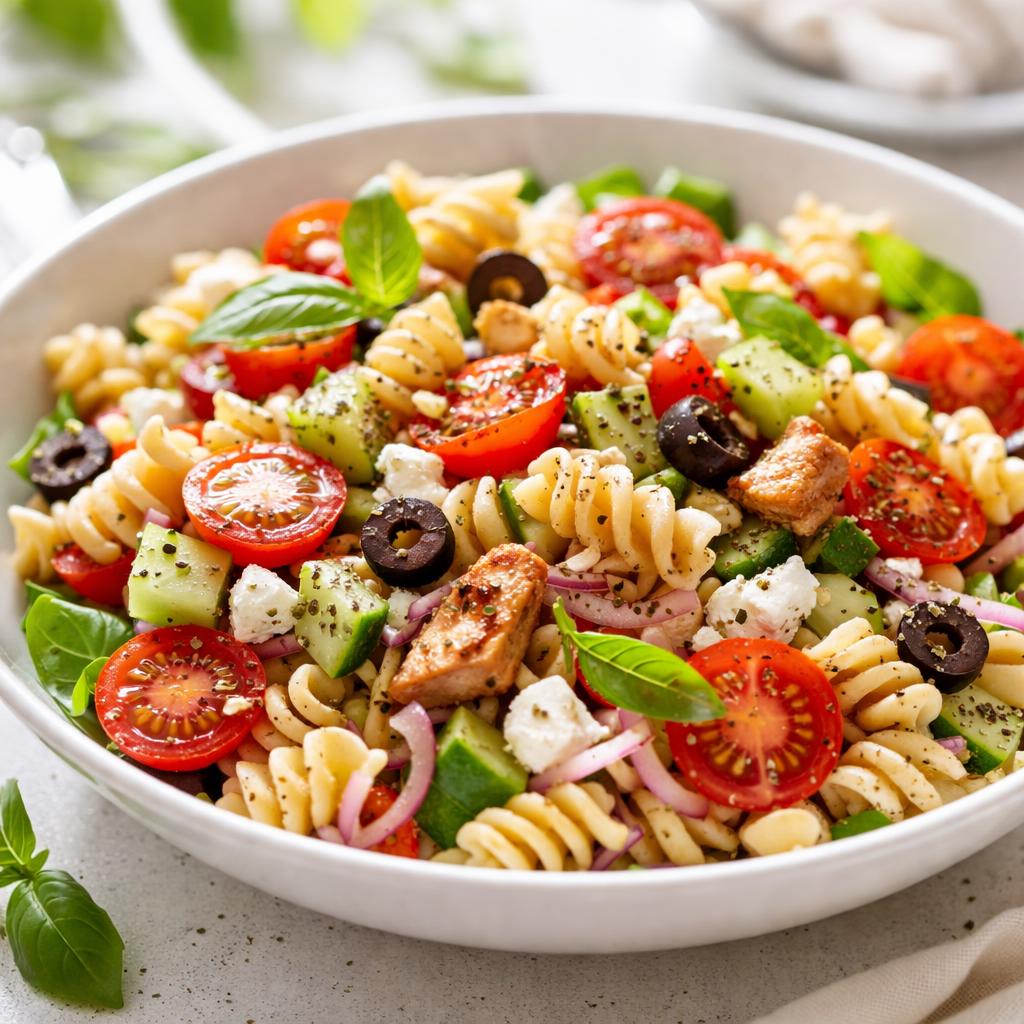
Pasta Salad
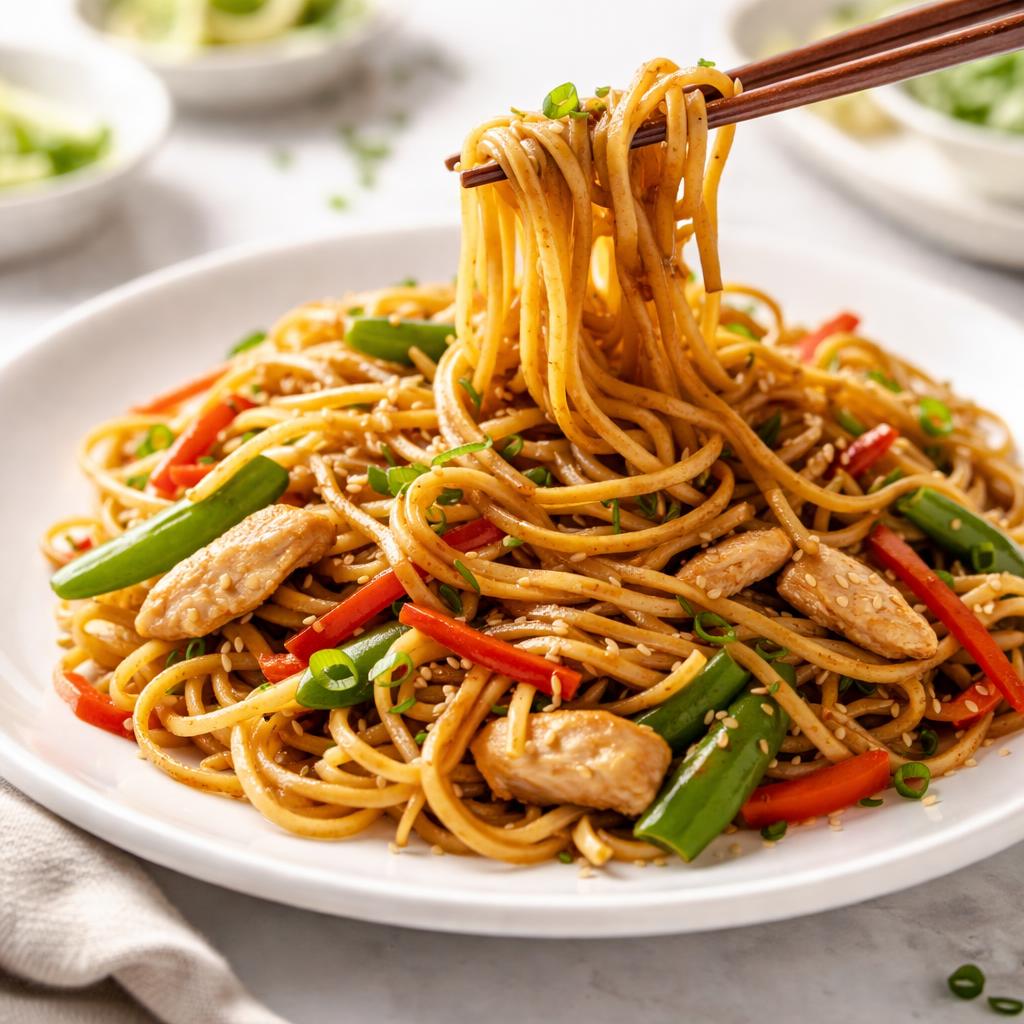
Chinese Noodles
🎯 Quick Verdict
Pasta salad is generally lower in calories, higher in protein, and offers more fiber per serving compared to Chinese noodles, making it a more balanced option for weight management and digestion. Chinese noodles, however, are higher in carbs and can provide sustained energy, making them more suitable for active individuals needing quick energy replenishment.

Smart Nutrition Tracking with SnapCalorie

📊 Nutritional Comparison
Macronutrients
| Nutrient | Food 1 | Food 2 | Winner |
|---|---|---|---|
| Calories | 200 | 290 | ✓ |
| Protein | 8g | 5g | ✓ |
| Carbs | 30g | 50g | ✓ |
| Fat | 7g | 10g | ✓ |
| Fiber | 4g | 2g | ✓ |
Vitamins & Minerals
| Nutrient | Food 1 | Food 2 | Winner |
|---|---|---|---|
| Vitamin D | 2mcg | 0mcg | ✓ |
| Calcium | 40mg | 20mg | ✓ |
| Iron | 1.5mg | 0.8mg | ✓ |
🏆 Category Winners
Protein
Pasta salad contains 60% more protein, making it a better choice for muscle maintenance.
Fiber
Pasta salad offers twice the fiber content, aiding in digestion and satiety.
Calories
Pasta salad is 31% lower in calories, making it a better option for calorie-conscious diets.
🥗 Diet Compatibility
Keto
Food 1: Not Compatible
Food 2: Not Compatible
Both foods are high in carbohydrates and not suitable for keto diets.
Vegan
Food 1: Compatible
Food 2: Compatible
Both foods can be made vegan if animal products are excluded.
Gluten Free
Food 1: Not Compatible
Food 2: Not Compatible
Both foods typically contain gluten, unless gluten-free versions are used.
Paleo
Food 1: Not Compatible
Food 2: Not Compatible
Neither food aligns with paleo guidelines due to grain-based composition.
Low-Carb
Food 1: Not Compatible
Food 2: Not Compatible
Both are higher in carbohydrates, exceeding low-carb thresholds.
💪 Health Benefits Comparison
Food 1 Benefits
- Provides a moderate amount of protein for muscle repair and maintenance.
- Higher fiber content improves digestion and promotes satiety.
- Contains calcium and iron for bone and blood health.
Food 2 Benefits
- High carb content for quick and sustained energy replenishment.
- Contains healthy fats (if prepared with sesame oil) for heart health.
- Can be customized with vegetables and proteins for added nutritional benefits.
✅ The Bottom Line
Pasta salad is ideal for individuals looking for a balanced, lower-calorie meal with ample fiber, vitamins, and protein. Chinese noodles are better for those needing an energy-focused meal, particularly for athletes or individuals engaging in high-intensity activities.
Choose Food 1 for: Weight management, digestion support, balanced diet
Choose Food 2 for: Energy replenishment, post-workout fuel, active lifestyles


