Pasta Salad VS Boiled Buckwheat
A detailed nutritional comparison
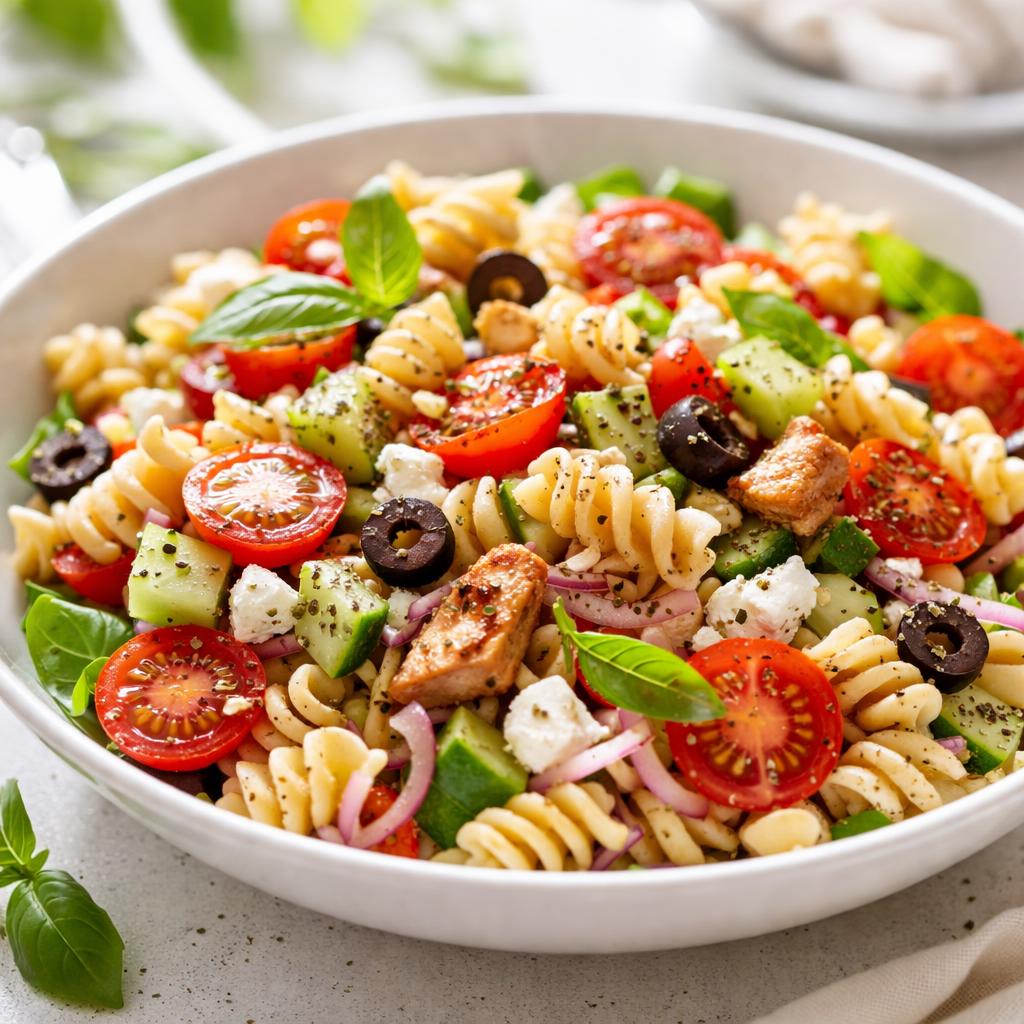
Pasta Salad
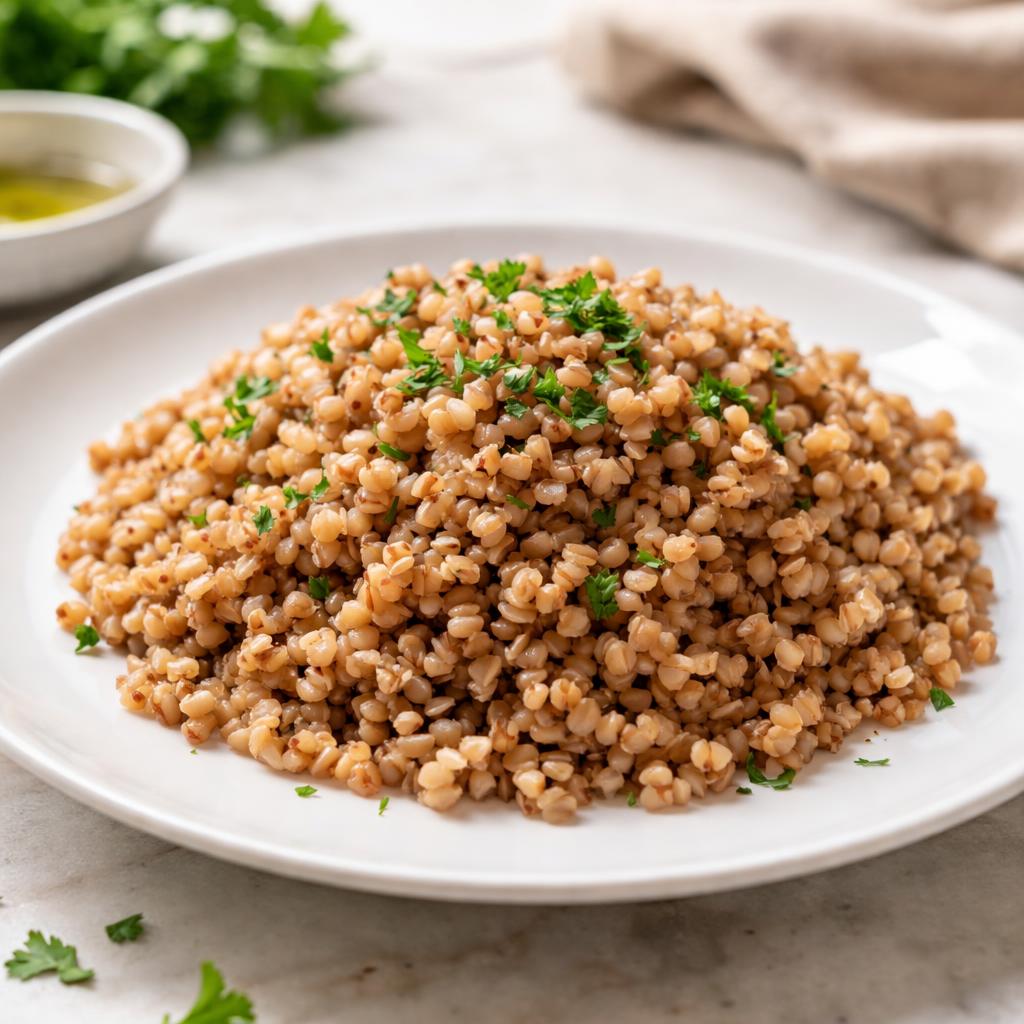
Boiled Buckwheat
🎯 Quick Verdict
Boiled buckwheat is more nutrient-dense compared to pasta salad, offering higher protein, fiber, and fewer calories per serving. Pasta salad is heavier in carbs and tastes better for casual or social settings, while buckwheat is better suited for health-focused diets and sustained energy needs.

Smart Nutrition Tracking with SnapCalorie

📊 Nutritional Comparison
Macronutrients
| Nutrient | Food 1 | Food 2 | Winner |
|---|---|---|---|
| Calories | 300 | 155 | ✓ |
| Protein | 7g | 10.5g | ✓ |
| Carbs | 40g | 33g | ✓ |
| Fat | 12g | 1g | ✓ |
| Fiber | 2g | 4.5g | ✓ |
Vitamins & Minerals
| Nutrient | Food 1 | Food 2 | Winner |
|---|---|---|---|
| Vitamin D | 0mcg | 0mcg | − |
| Vitamin B6 | 0.1mg | 0.35mg | ✓ |
| Magnesium | 20mg | 85mg | ✓ |
| Iron | 0.5mg | 2mg | ✓ |
| Potassium | 80mg | 120mg | ✓ |
🏆 Category Winners
Protein
Buckwheat contains 50% more protein per serving than pasta salad.
Fiber
Buckwheat has more than double the fiber content compared to pasta salad.
Calories
Buckwheat has roughly 50% fewer calories than pasta salad, making it a lighter option.
Vitamins
Buckwheat is richer in essential vitamins and minerals like B6, magnesium, and iron.
🥗 Diet Compatibility
Keto
Food 1: Not Compatible
Food 2: Not Compatible
Both foods are carb-heavy and unsuitable for keto diets.
Vegan
Food 1: Compatible
Food 2: Compatible
Both foods are plant-based and suitable for vegans.
Gluten Free
Food 1: Not Compatible
Food 2: Compatible
Pasta salad typically contains gluten from wheat, while buckwheat is naturally gluten-free.
Paleo
Food 1: Not Compatible
Food 2: Compatible
Pasta salad is not paleo due to processed ingredients, whereas buckwheat is accepted in paleo diets.
Low-Carb
Food 1: Not Compatible
Food 2: Not Compatible
Both foods have a high carb content, making them unsuitable for low-carb diets.
💪 Health Benefits Comparison
Food 1 Benefits
- Provides source of quick energy from carbs
- Contains fats that can promote satiety
- Can be enhanced with added vegetables for micronutrients
Food 2 Benefits
- High in protein and fiber for sustained energy and improved digestion
- Naturally gluten-free, supporting gut health
- Rich in essential minerals like magnesium and iron for overall health
✅ The Bottom Line
Choose boiled buckwheat for nutrient density, protein, fiber, and fewer calories, making it ideal for fitness and health-conscious diets. Pasta salad is better suited for casual, flavorful meals when energy and palatability are priorities.
Choose Food 1 for: Social meals, quick energy, versatile toppings for flavor
Choose Food 2 for: Weight management, high-protein meals, gluten-free diets


