Overnight Oats VS Multigrain Bread
A detailed nutritional comparison
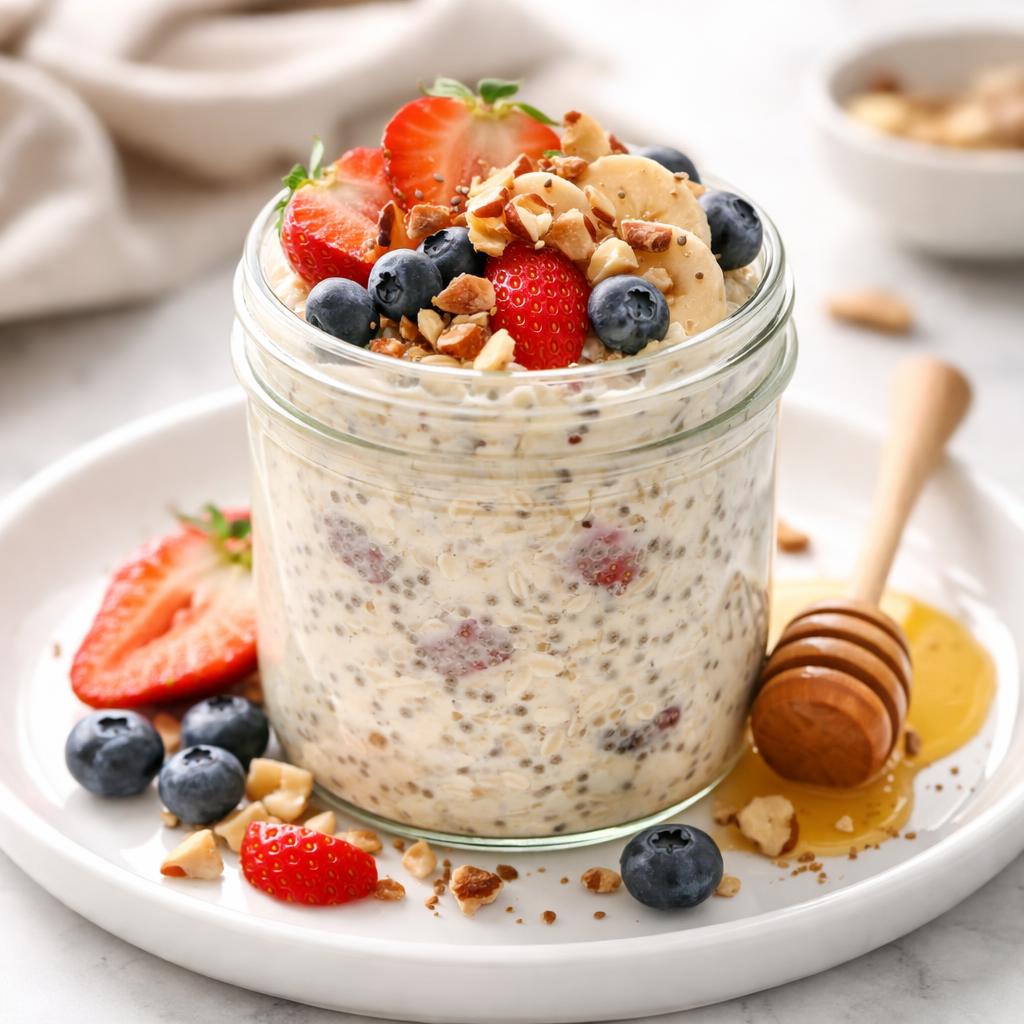
Overnight Oats
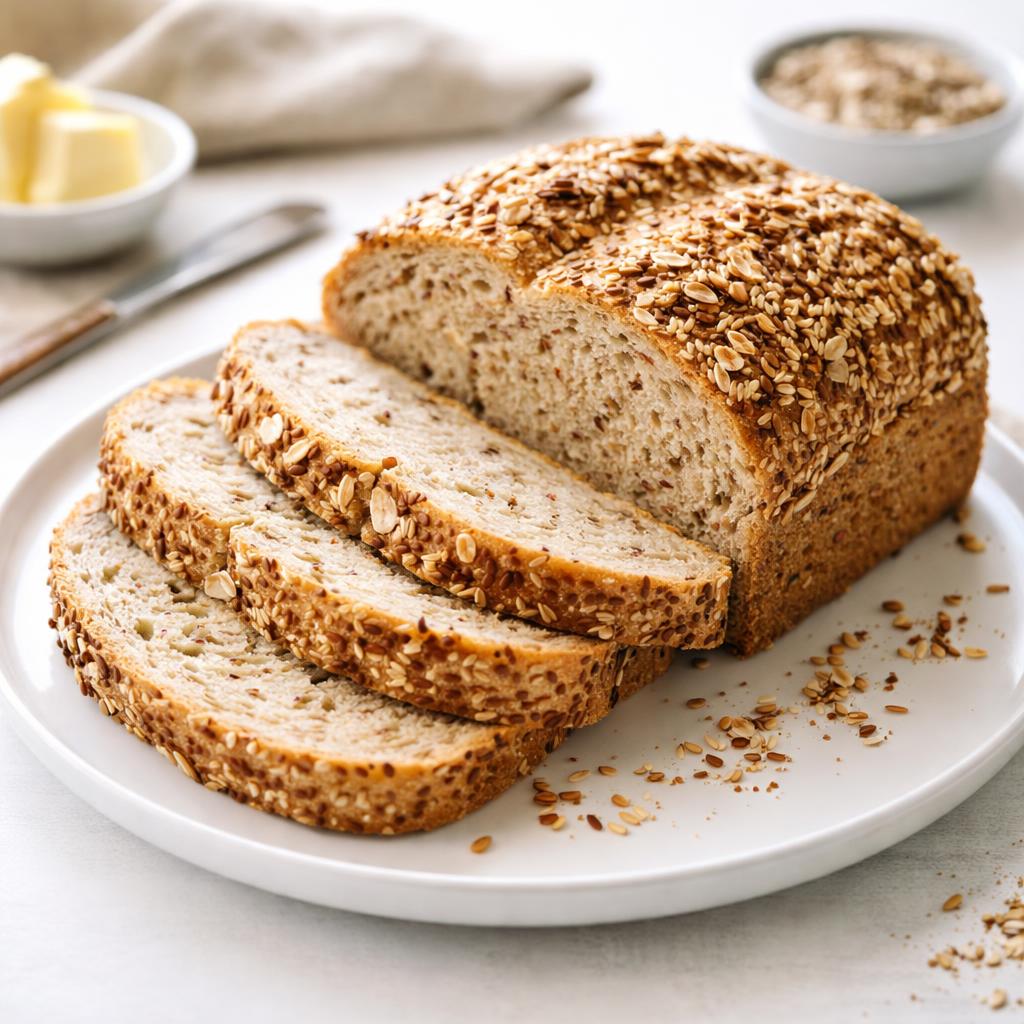
Multigrain Bread
🎯 Quick Verdict
Overnight oats and multigrain bread each present strong nutritional profiles for different purposes. Overnight oats boast more fiber and fewer calories per serving, making them ideal for weight management and digestion. Multigrain bread delivers sustained energy and provides diverse nutrients, making it great for balanced meals or snacks. Both are excellent vegan options depending on one's dietary focus.

Smart Nutrition Tracking with SnapCalorie

📊 Nutritional Comparison
Macronutrients
| Nutrient | Food 1 | Food 2 | Winner |
|---|---|---|---|
| Calories | 150 | 200 | ✓ |
| Protein | 6g | 6g | − |
| Carbs | 27g | 38g | ✓ |
| Fat | 3.5g | 3g | − |
| Fiber | 4g | 3g | ✓ |
Vitamins & Minerals
| Nutrient | Food 1 | Food 2 | Winner |
|---|---|---|---|
| Vitamin D | 0mcg | 0mcg | − |
| Calcium | 40mg | 50mg | ✓ |
| Iron | 1.5mg | 2mg | ✓ |
| Magnesium | 50mg | 30mg | ✓ |
| Potassium | 150mg | 90mg | ✓ |
🏆 Category Winners
Protein
Both foods have the same protein content at 6g per serving.
Fiber
Overnight oats provide 33% more fiber, improving digestion.
Calories
Overnight oats contain 25% fewer calories, aiding weight management.
Vitamins
Multigrain bread offers higher calcium and iron levels.
🥗 Diet Compatibility
Keto
Food 1: Not Compatible
Food 2: Not Compatible
Both are high in carbs, exceeding keto thresholds.
Vegan
Food 1: Compatible
Food 2: Compatible
Both are plant-based and easily fit vegan diets.
Gluten Free
Food 1: Compatible with modifications
Food 2: Not Compatible
Gluten-free oats can be used for food1, but food2 contains wheat.
Paleo
Food 1: Not Compatible
Food 2: Not Compatible
Both contain grains, which are avoided in paleo diets.
Low-Carb
Food 1: Not Compatible
Food 2: Not Compatible
Net carbs exceed typical low-carb guidelines for both.
💪 Health Benefits Comparison
Food 1 Benefits
- High fiber content supports digestion and gut health.
- Rich in complex carbs for sustained energy.
- Magnesium and potassium aid muscle function and heart health.
Food 2 Benefits
- Contains diverse nutrients from multiple grains.
- Provides sustained energy through complex carbohydrates.
- High calcium and iron content supports bone health and blood function.
✅ The Bottom Line
Overnight oats excel in fiber and calorie control, making them ideal for weight loss or digestion-centric diets. Multigrain bread is more nutrient-dense in terms of calcium and iron, making it a better choice for balanced meals or on-the-go energy. Both are versatile vegan options depending on your dietary priorities.
Choose Food 1 for: Weight management, digestion, wholesome breakfast
Choose Food 2 for: Balanced meals, quick snacks, bone health


