Orzo Pasta VS Whole Wheat Pasta
A detailed nutritional comparison
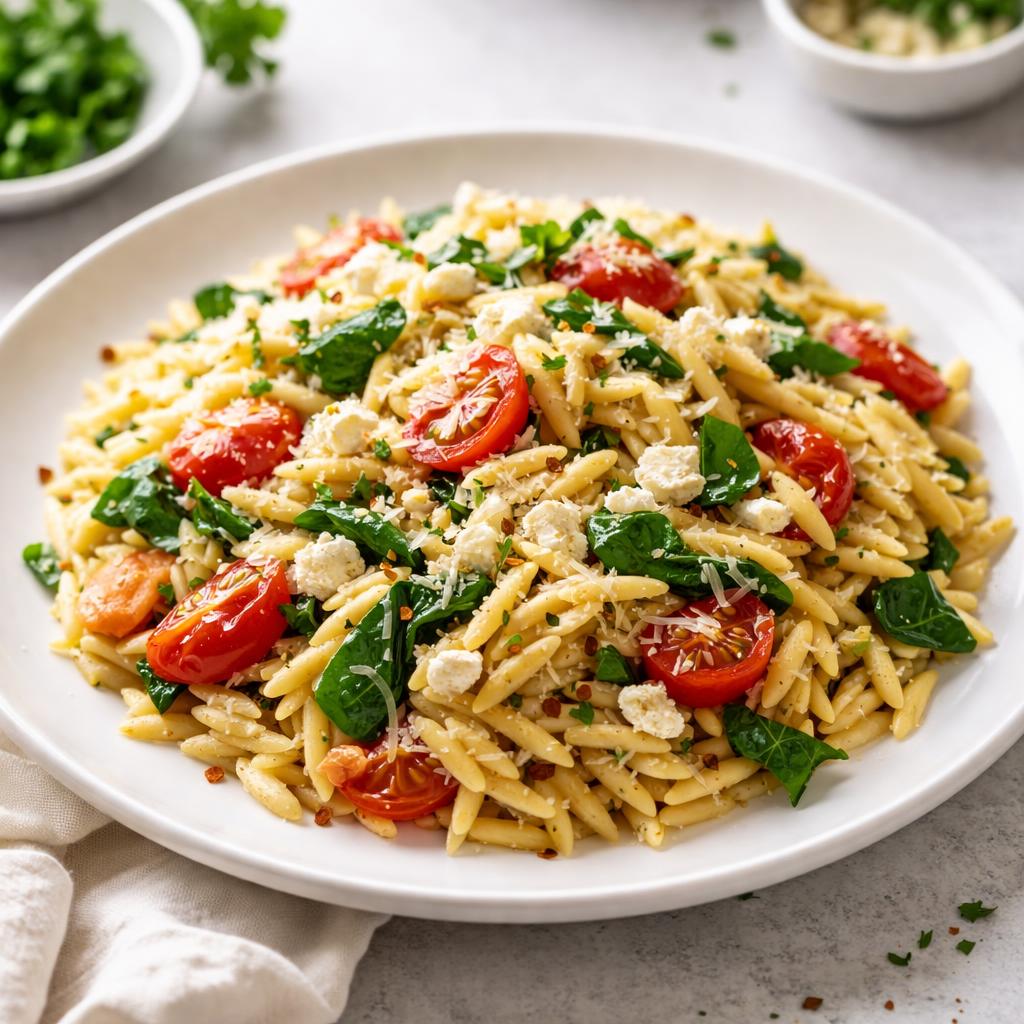
Orzo Pasta
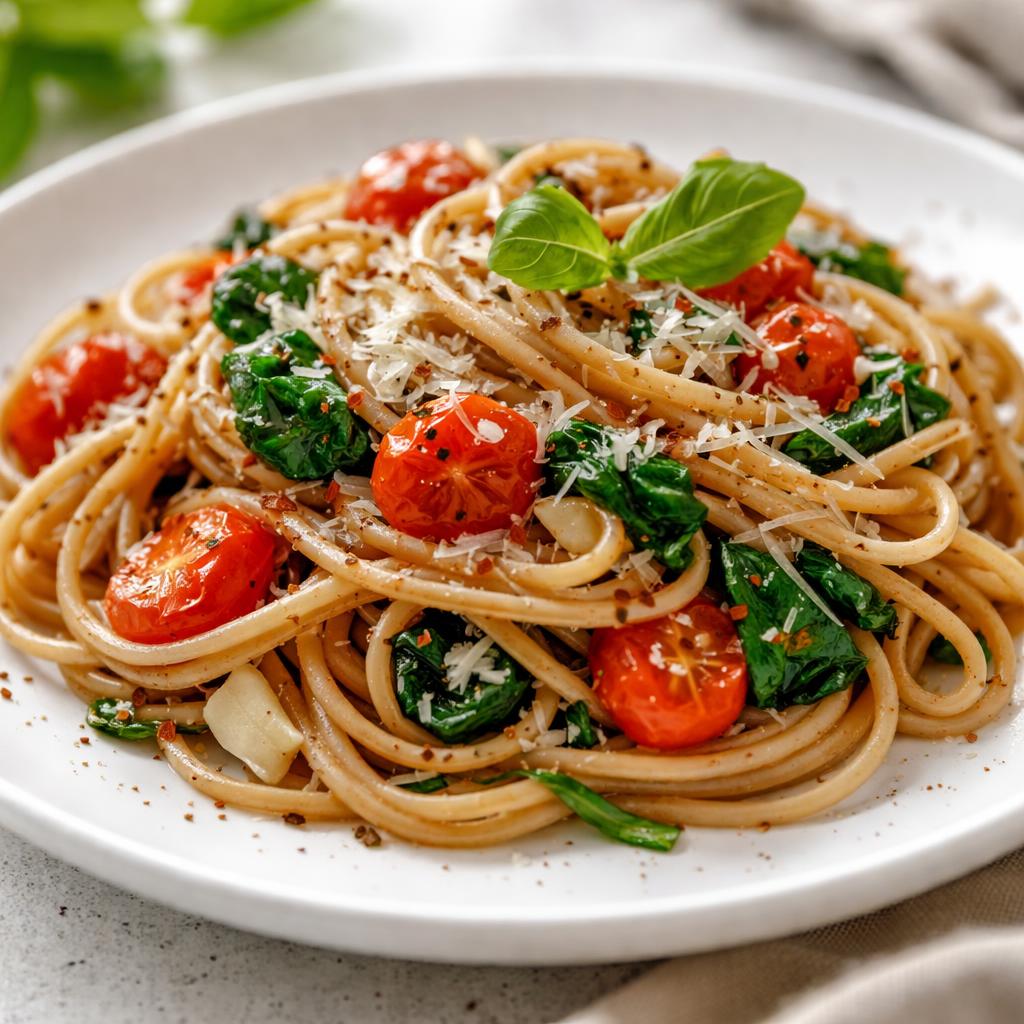
Whole Wheat Pasta
🎯 Quick Verdict
Whole wheat pasta outperforms orzo in fiber and protein content, making it a healthier choice overall. Orzo pasta, being lighter and lower in fiber, is better suited for quick digestion or lighter meals, while whole wheat pasta is ideal for sustained energy and satiety due to its complex carbohydrates and high nutrient density.

Smart Nutrition Tracking with SnapCalorie

📊 Nutritional Comparison
Macronutrients
| Nutrient | Food 1 | Food 2 | Winner |
|---|---|---|---|
| Calories | 200 per cup (cooked) | 200 per cup (cooked) | − |
| Protein | 7g per cup | 8g per cup | − |
| Carbs | 42g per cup | 37g per cup | − |
| Fat | 1g per cup | 1g per cup | − |
| Fiber | 1g per cup | 6g per cup | − |
Vitamins & Minerals
| Nutrient | Food 1 | Food 2 | Winner |
|---|---|---|---|
| Vitamin B1 (Thiamin) | 0.2mg | 0.4mg | − |
| Folate | 50mcg | 20mcg | − |
| Magnesium | 11mg | 50mg | − |
🏆 Category Winners
Protein
Whole wheat pasta has approximately 14% more protein per cup.
Fiber
Whole wheat pasta contains 6 times more fiber than orzo pasta per serving.
Calories
Both foods have an equivalent calorie count per serving.
Vitamins
Whole wheat pasta generally has higher magnesium, thiamin, and beneficial micronutrient levels.
🥗 Diet Compatibility
Keto
Food 1: Not Compatible
Food 2: Not Compatible
Both are high in carbohydrates.
Vegan
Food 1: Compatible
Food 2: Compatible
Both are plant-based pasta options.
Gluten Free
Food 1: Not Compatible
Food 2: Not Compatible
Both contain gluten.
Paleo
Food 1: Not Compatible
Food 2: Not Compatible
Neither fits within a paleo diet due to their grain content.
Low-Carb
Food 1: Not Compatible
Food 2: Not Compatible
Both are relatively high in carbohydrates per serving.
💪 Health Benefits Comparison
Food 1 Benefits
- Quick-cooking and convenient for lighter meals
- Provides energy with a moderate glycemic index
- Contains folate, supporting cell growth and DNA synthesis
Food 2 Benefits
- Rich in dietary fiber for improved digestion and fullness
- Higher protein content supports muscle repair and development
- Good source of magnesium, crucial for nerve and muscle function
✅ The Bottom Line
Whole wheat pasta is better suited for those seeking sustained energy, improved digestion, and nutrient density due to its higher fiber, protein, and magnesium content. Orzo pasta is a lighter option that works well for quick meals or situations requiring less digestive load.
Choose Food 1 for: Light meals, quick digestion, recipes requiring a small pasta shape like soups or salads
Choose Food 2 for: High-fiber diets, sustained energy, filling meals focused on long-term satiety and balanced nutrients


