Orzo Pasta VS Pasta With Pesto
A detailed nutritional comparison
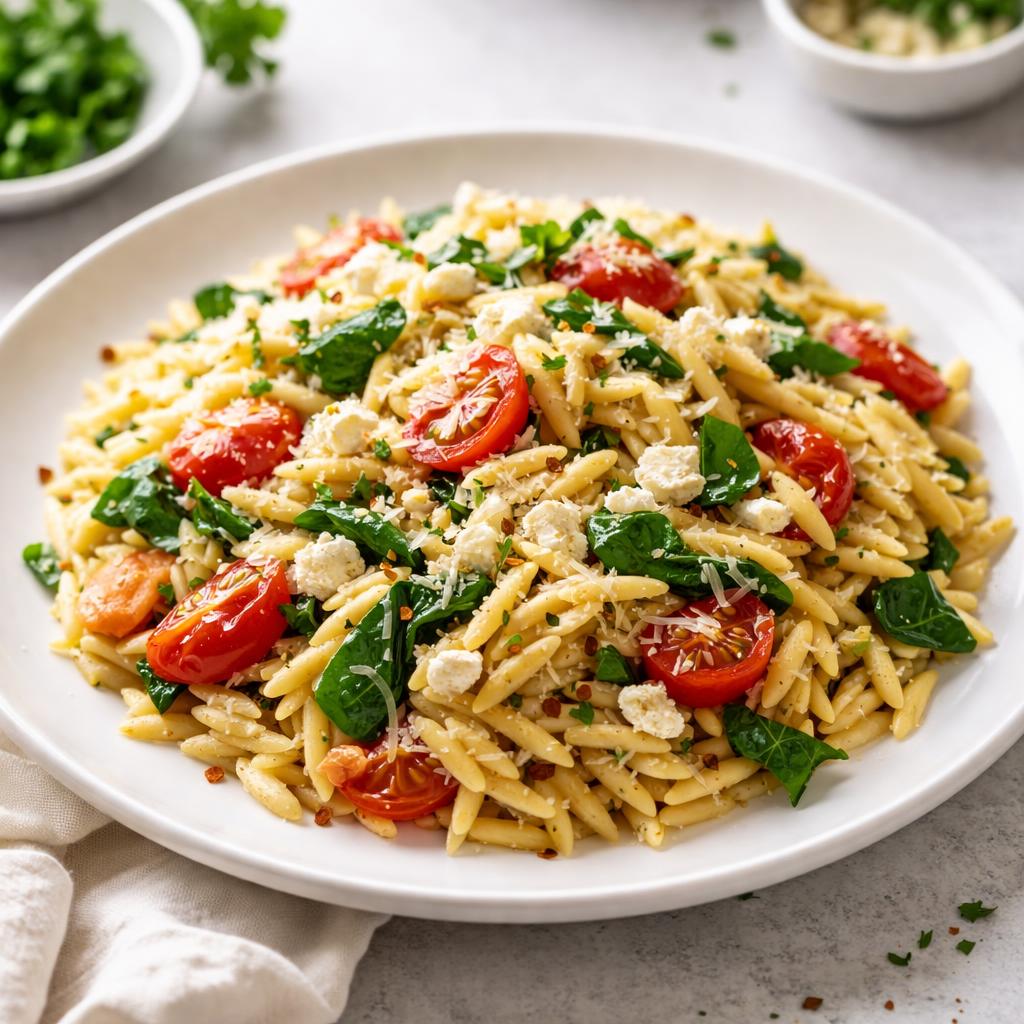
Orzo Pasta
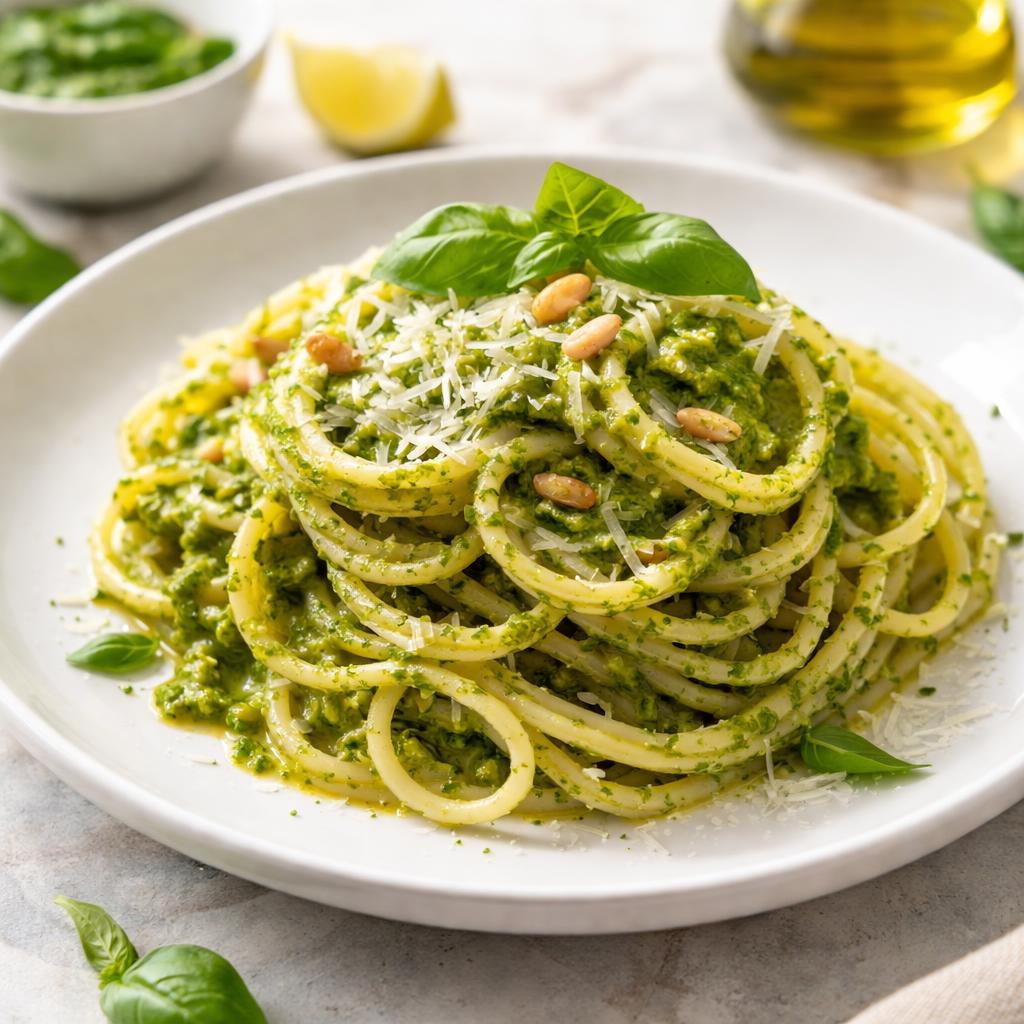
Pasta With Pesto
🎯 Quick Verdict
Orzo pasta is lower in calories, making it suitable for weight-conscious individuals, while pasta with pesto provides more fiber and healthy fats, alongside richer flavor. Orzo is better for straightforward carbohydrate needs, whereas pesto pasta is ideal for a nutrient-dense meal with added antioxidants and vitamins.

Smart Nutrition Tracking with SnapCalorie

📊 Nutritional Comparison
Macronutrients
| Nutrient | Food 1 | Food 2 | Winner |
|---|---|---|---|
| Calories | 190 | 310 | ✓ |
| Protein | 6g | 6g | − |
| Carbs | 38g | 26g | ✓ |
| Fat | 1g | 18g | ✓ |
| Fiber | 2g | 3g | ✓ |
Vitamins & Minerals
| Nutrient | Food 1 | Food 2 | Winner |
|---|---|---|---|
| Vitamin D | 0mcg | 0mcg | − |
| Calcium | 9mg | 50mg | ✓ |
| Iron | 0.6mg | 1.2mg | ✓ |
| Vitamin C | 0mg | 8mg | ✓ |
🏆 Category Winners
Protein
Both foods provide 6g of protein per serving.
Fiber
Pesto pasta offers 50% more fiber, aiding digestion.
Calories
Orzo pasta has 39% fewer calories per serving.
Vitamins
Pesto provides higher levels of calcium, iron, and vitamin C due to ingredients like basil and Parmesan.
🥗 Diet Compatibility
Keto
Food 1: Not Compatible
Food 2: Not Compatible
Both foods are high in carbohydrates.
Vegan
Food 1: Compatible (if unseasoned)
Food 2: Not Compatible
Pesto typically contains cheese, making it unsuitable for vegans.
Gluten Free
Food 1: Not Compatible
Food 2: Not Compatible
Both are made from wheat-based pasta.
Paleo
Food 1: Not Compatible
Food 2: Not Compatible
Paleo diets exclude processed grains like pasta.
Low Carb
Food 1: Not Compatible
Food 2: Not Compatible
Both exceed 20g of carbohydrates per serving, typical low-carb limits.
💪 Health Benefits Comparison
Food 1 Benefits
- Low in fat, suitable for weight management
- Good source of carbohydrates for energy
- Affordable and versatile for various dishes
Food 2 Benefits
- Contains healthy fats from olive oil and nuts
- Rich in antioxidants due to basil
- Provides calcium for bone health
✅ The Bottom Line
Orzo pasta is a better choice for those seeking low-calorie, simple carbohydrate options or planning lighter dishes. Pasta with pesto, while higher in calories, delivers fuller flavor, fiber, and healthy fats, making it ideal for nutrient-dense meals. Consider pairing orzo pasta with lean protein or vegetables and pesto pasta for heartier, satisfying dishes.
Choose Food 1 for: Weight management, quick energy, lighter meals
Choose Food 2 for: Flavorful dishes, nutrient density, heart health


