Orzo Pasta VS Garlic Rice
A detailed nutritional comparison
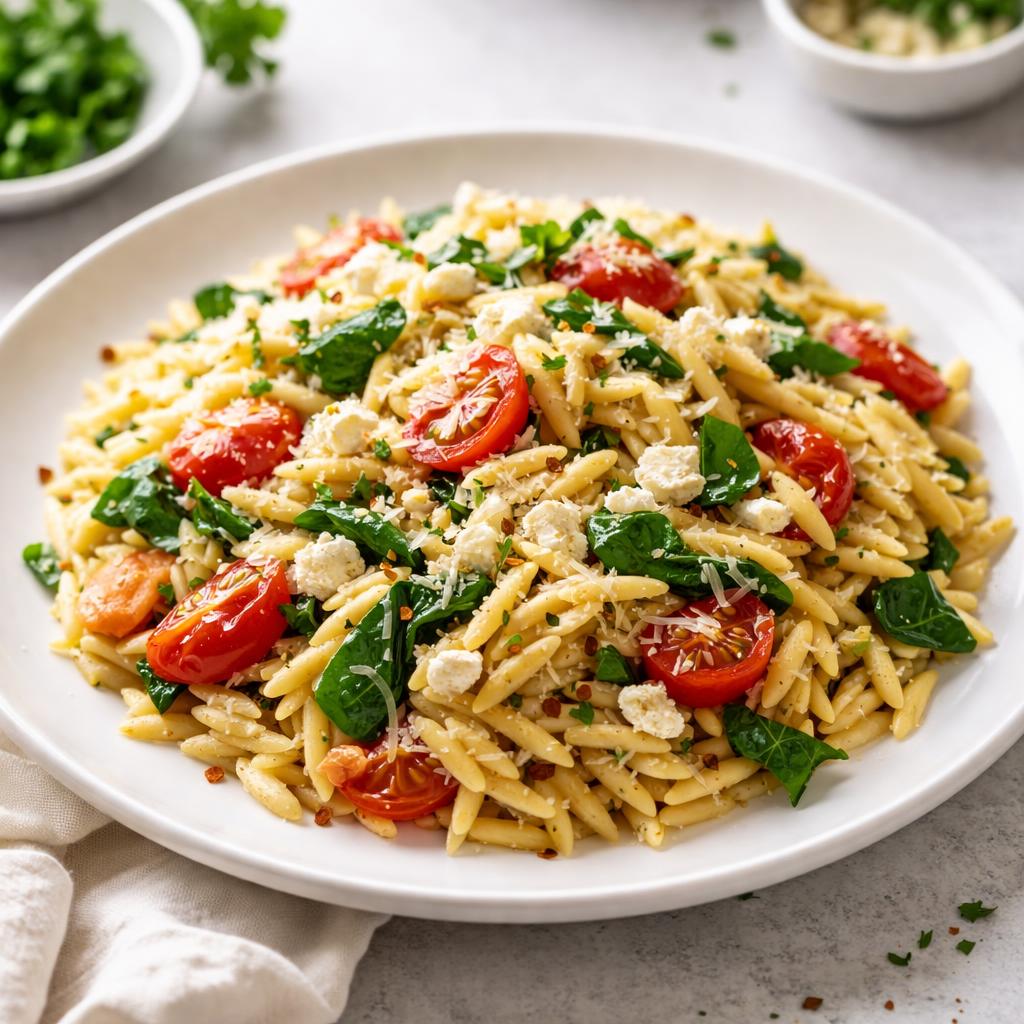
Orzo Pasta
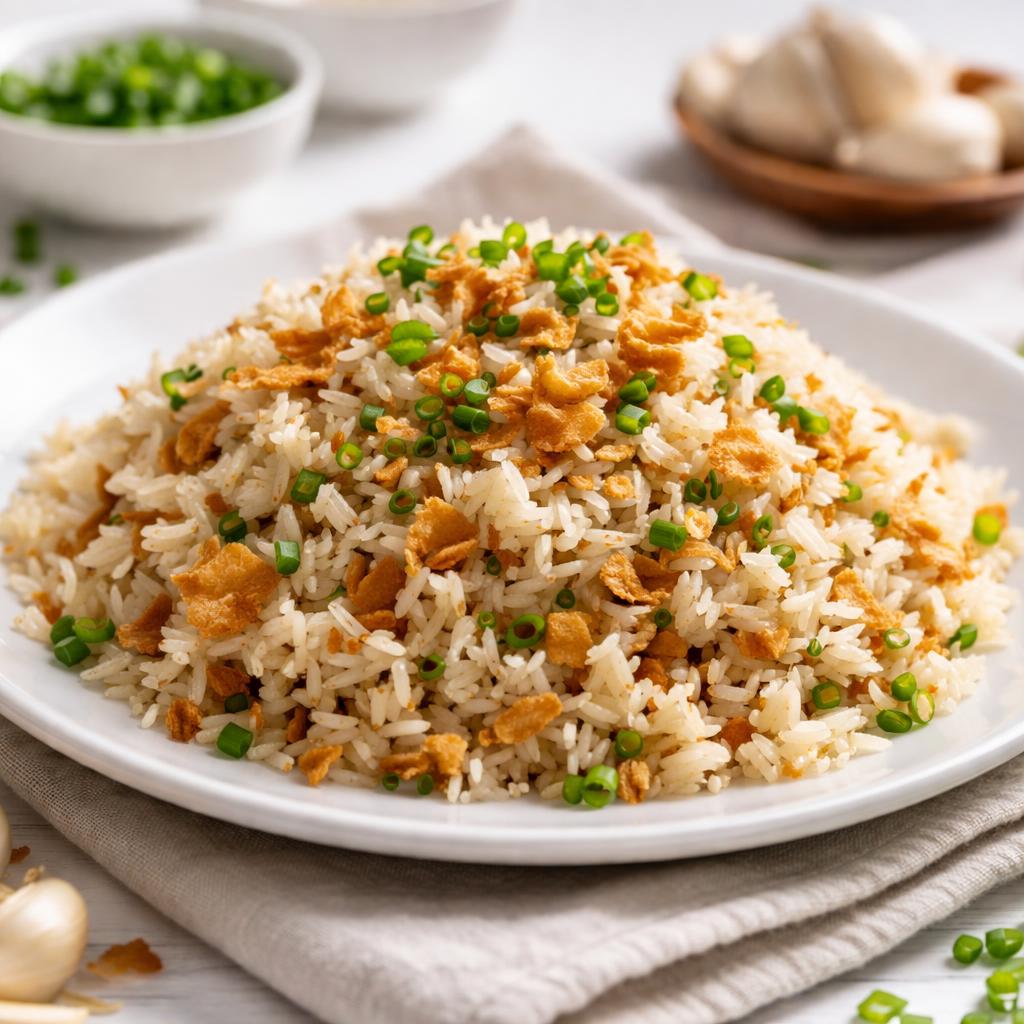
Garlic Rice
🎯 Quick Verdict
Orzo pasta is higher in protein and has a balanced macronutrient profile, making it ideal for those needing sustained energy and muscle-building nutrients. Garlic rice has more fiber and fewer calories per serving, along with flavorful appeal, making it better for those seeking heartier meals with more dietary fiber. Both options are compatible with vegan diets but differ in carb content drastically.

Smart Nutrition Tracking with SnapCalorie

📊 Nutritional Comparison
Macronutrients
| Nutrient | Food 1 | Food 2 | Winner |
|---|---|---|---|
| Calories | 190 | 160 | ✓ |
| Protein | 7g | 3g | ✓ |
| Carbs | 38g | 34g | ✓ |
| Fat | 1g | 4g | ✓ |
| Fiber | 2g | 3g | ✓ |
Vitamins & Minerals
| Nutrient | Food 1 | Food 2 | Winner |
|---|---|---|---|
| Vitamin C | 0mg | 4mg | ✓ |
| Calcium | 10mg | 13mg | ✓ |
| Iron | 1mg | 0.8mg | ✓ |
🏆 Category Winners
Protein
Orzo pasta has over two times more protein compared to garlic rice per serving.
Fiber
Garlic rice provides 50% more fiber per serving.
Calories
Garlic rice contains roughly 16% fewer calories per serving compared to orzo pasta.
Vitamins
Garlic rice delivers appreciable Vitamin C and slightly more calcium than orzo pasta.
🥗 Diet Compatibility
Keto
Food 1: Not Compatible
Food 2: Not Compatible
Both foods are high in carbohydrates, which are not ideal for ketogenic diets.
Vegan
Food 1: Compatible
Food 2: Compatible
Both foods are plant-based and vegan-friendly.
Gluten Free
Food 1: Not Compatible
Food 2: Compatible (if prepared with gluten-free rice)
Orzo pasta contains gluten, while garlic rice can be made with gluten-free ingredients.
Paleo
Food 1: Not Compatible
Food 2: Compatible (if made with unprocessed ingredients)
Garlic rice can fit paleo diets if made using unprocessed ingredients, whereas orzo pasta is excluded from paleo diets due to its processed nature.
Low-Carb
Food 1: Not Compatible
Food 2: Not Compatible
Both foods are carbohydrate-dense and unsuitable for low-carb diets such as Atkins.
💪 Health Benefits Comparison
Food 1 Benefits
- Provides moderate protein for muscle repair.
- Low-fat content, ideal for low-fat diets.
- Good source of quick-digesting carbohydrates for energy replenishment.
Food 2 Benefits
- Rich in garlic, which supports immune health and heart health.
- Higher fiber content improves digestion and satiety.
- Contains Vitamin C for antioxidant benefits.
✅ The Bottom Line
Choose orzo pasta if you need more protein or sustained energy for physical activities, making it a great option for pre- or post-workout meals. Opt for garlic rice if prioritizing fiber content, lower calories, or flavorful additions to a meal, especially for lighter dietary preferences.
Choose Food 1 for: Active lifestyles, muscle repair, energy replenishment.
Choose Food 2 for: Fiber-rich diets, heart health, lower-calorie meals.


