Oats VS Steel Cut Oats
A detailed nutritional comparison
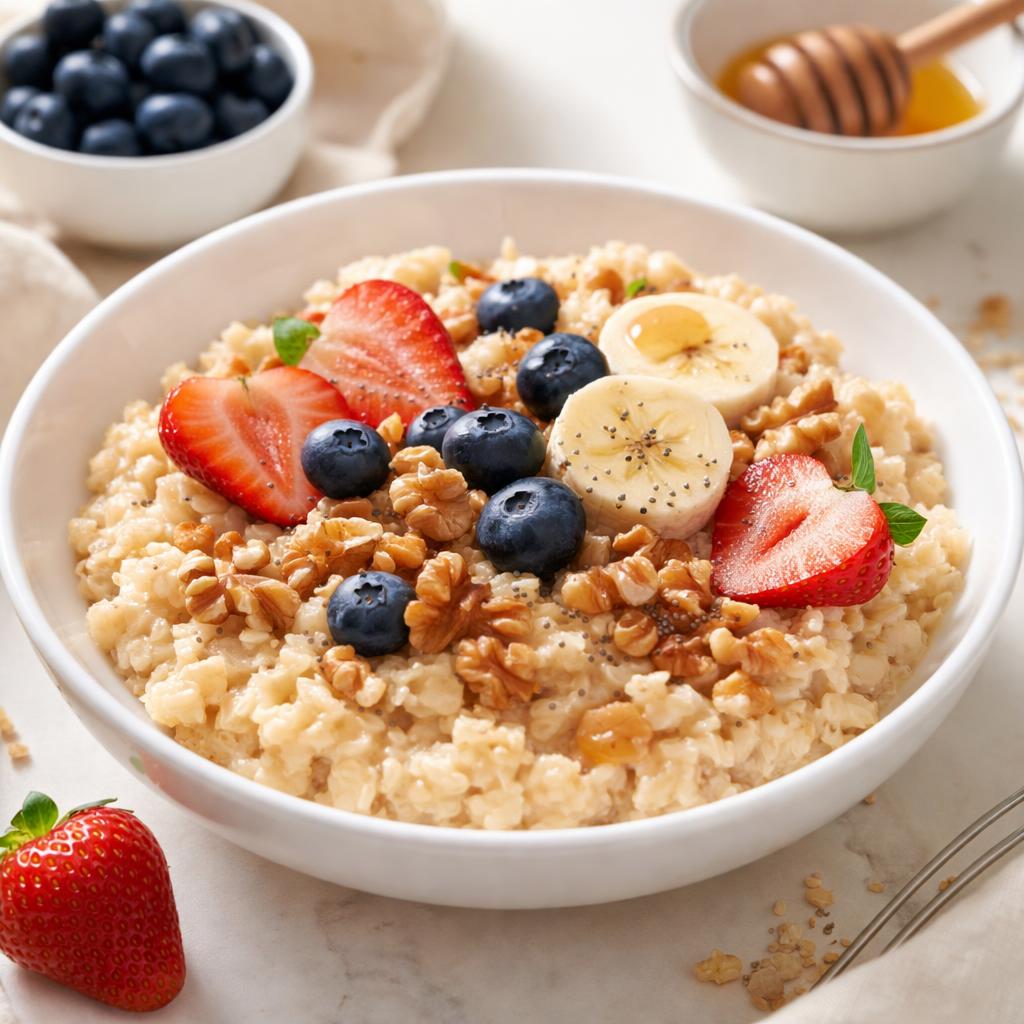
Oats
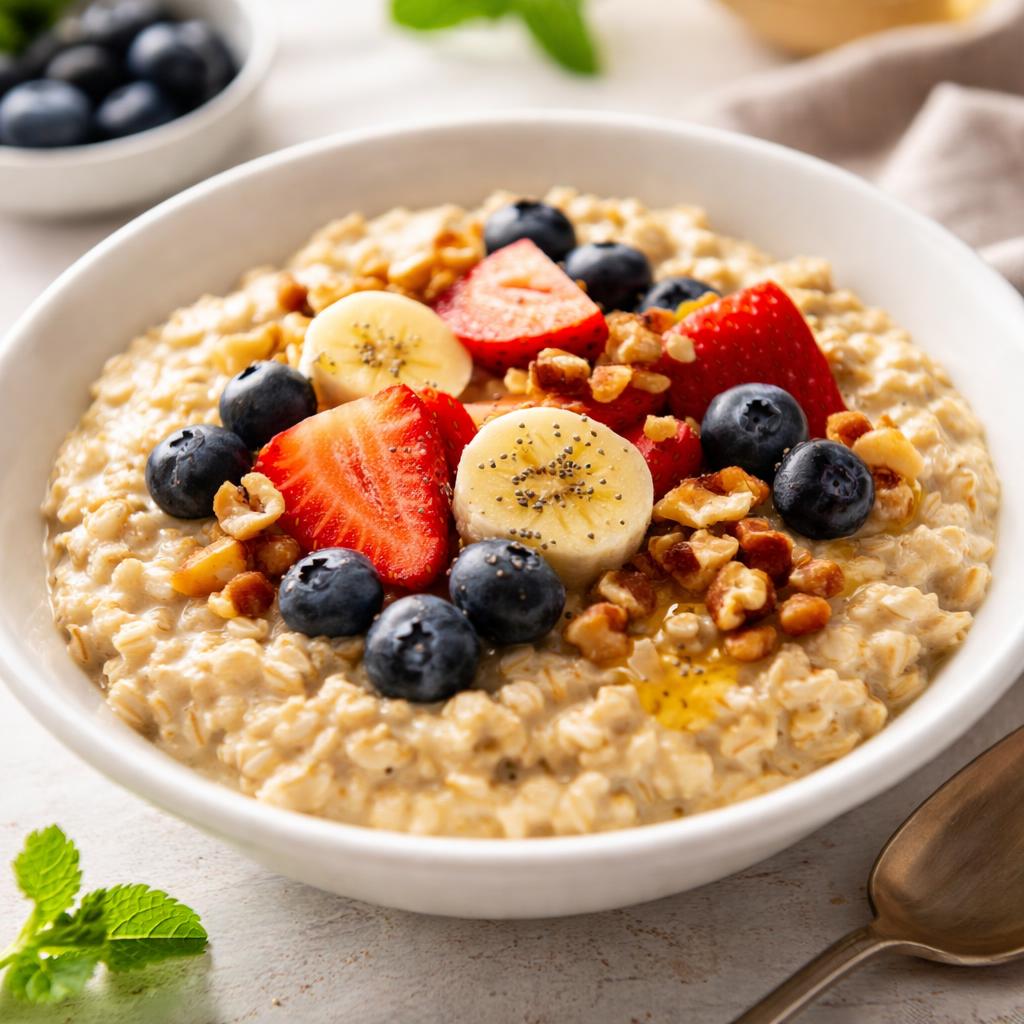
Steel Cut Oats
🎯 Quick Verdict
Oats and steel cut oats are nutritionally similar but differ in texture and processing. Steel cut oats are higher in protein and fiber, while regular oats have lower calories and are quicker to cook. Steel cut oats are better for sustained energy, while oats are ideal for convenience and weight management diets.

Smart Nutrition Tracking with SnapCalorie

📊 Nutritional Comparison
Macronutrients
| Nutrient | Food 1 | Food 2 | Winner |
|---|---|---|---|
| Calories | 150 (per 40g) | 170 (per 40g) | ✓ |
| Protein | 5g | 7g | ✓ |
| Carbs | 27g | 29g | ✓ |
| Fat | 3g | 3.5g | ✓ |
| Fiber | 4g | 5g | ✓ |
Vitamins & Minerals
| Nutrient | Food 1 | Food 2 | Winner |
|---|---|---|---|
| Vitamin B1 (Thiamine) | 0.2mg | 0.2mg | − |
| Iron | 1.5mg | 2mg | ✓ |
| Magnesium | 40mg | 50mg | ✓ |
🏆 Category Winners
Protein
Steel cut oats contain 40% more protein per serving.
Fiber
Steel cut oats have 25% more fiber than regular oats.
Calories
Oats have 11% fewer calories per serving compared to steel cut oats.
Vitamins
Steel cut oats are slightly higher in iron and magnesium.
🥗 Diet Compatibility
Keto
Food 1: Not Compatible
Food 2: Not Compatible
Both foods are high in carbohydrates, exceeding typical keto limits.
Vegan
Food 1: Compatible
Food 2: Compatible
Both are plant-based and suitable for vegan diets.
Gluten Free
Food 1: Compatible (if certified GF)
Food 2: Compatible (if certified GF)
Ensure oats are certified gluten-free to avoid cross-contamination.
Paleo
Food 1: Not Compatible
Food 2: Not Compatible
Oats and steel cut oats are grains, which are not allowed on paleo diets.
Low-Carb
Food 1: Not Compatible
Food 2: Not Compatible
Both foods contain over 27g of carbs per serving, which is too high for low-carb diets.
💪 Health Benefits Comparison
Food 1 Benefits
- Easier to digest and quicker to prepare
- Lower in calories for weight management
- Rich in beta-glucan soluble fiber for heart health
Food 2 Benefits
- Higher in protein for muscle maintenance
- More fiber for improved digestion and satiety
- Provides sustained energy from its slower digestion rate
✅ The Bottom Line
Oats are better for convenience, weight management, and quick cooking, making them ideal for busy mornings or calorie-focused dieters. Steel cut oats are ideal for individuals seeking higher protein, fiber, and slower energy release, making them suitable for athletes or those looking to stay full longer.
Choose Food 1 for: Convenience, weight loss, quick breakfasts
Choose Food 2 for: Sustained energy, muscle maintenance, heartier meals


