Oats VS Rice Bowl
A detailed nutritional comparison
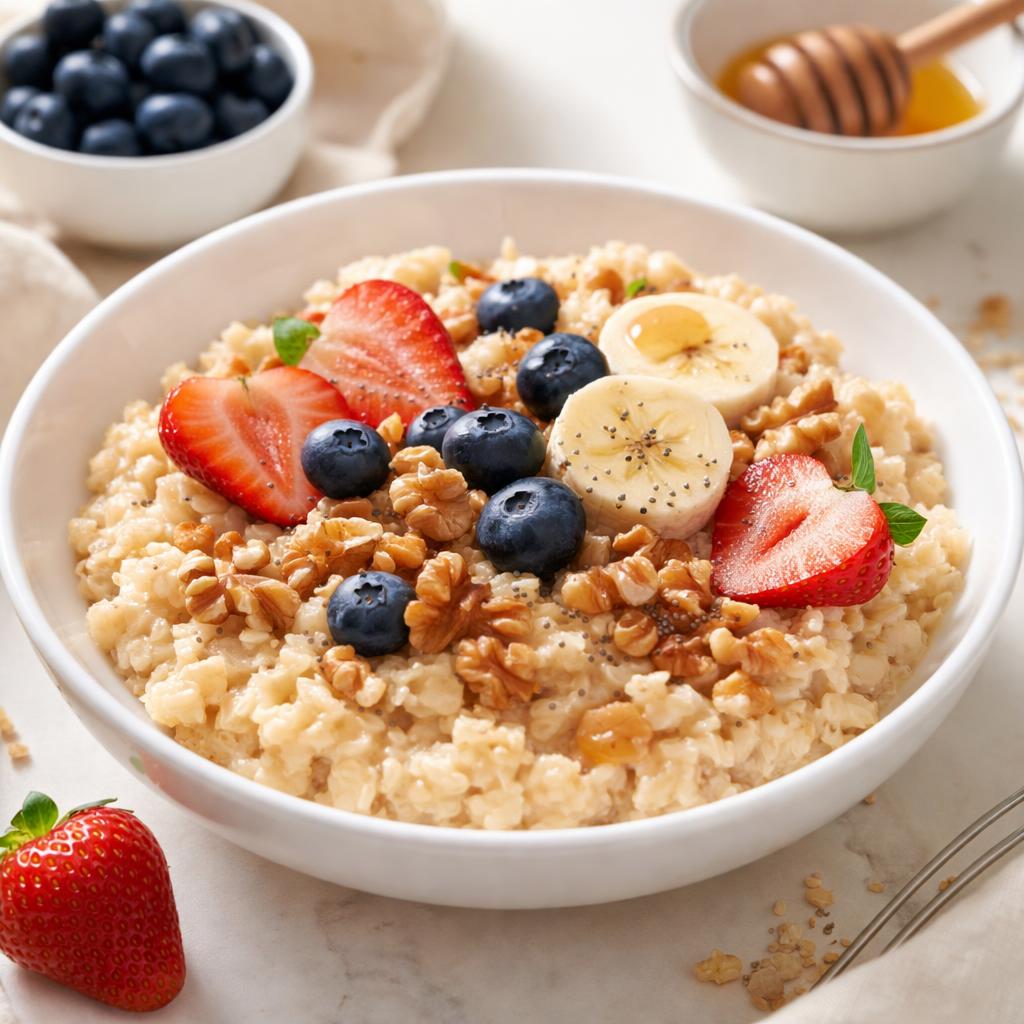
Oats
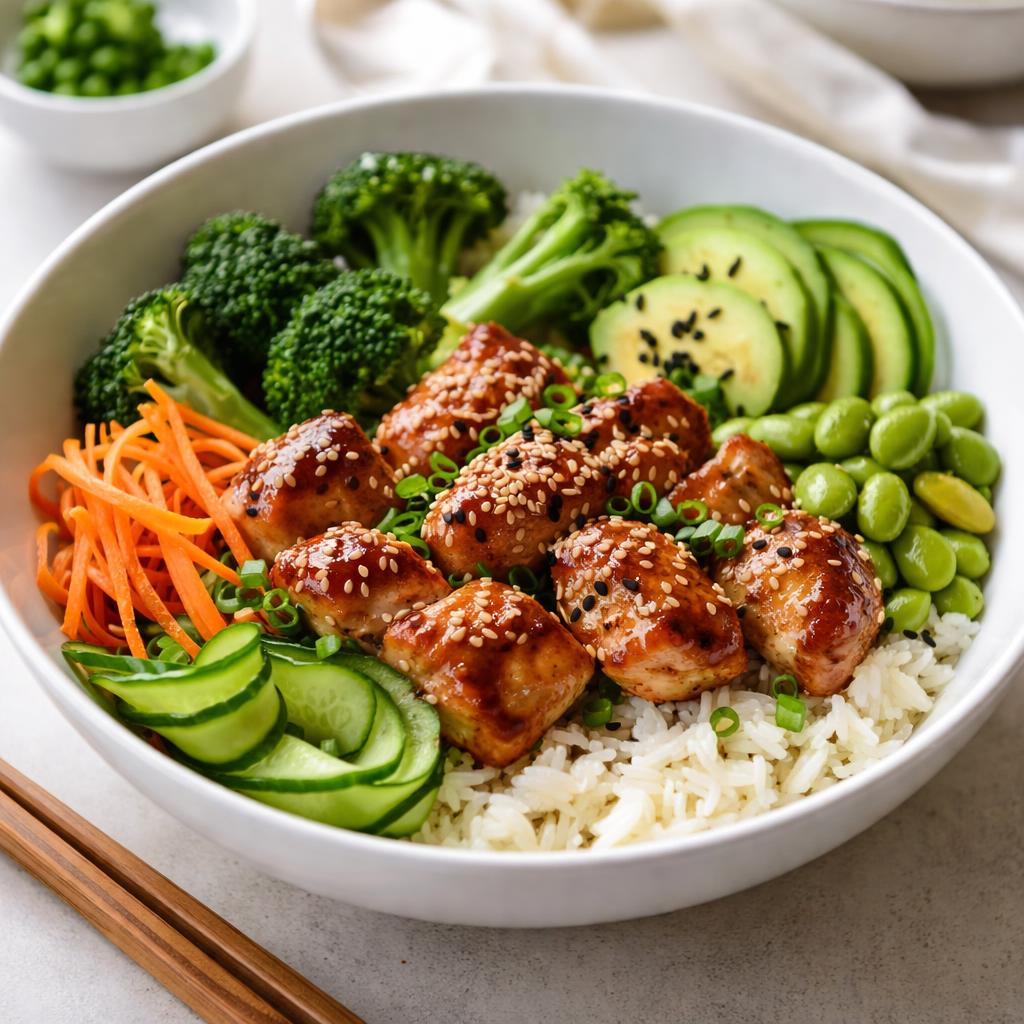
Rice Bowl
🎯 Quick Verdict
Oats are a nutrient-dense grain, offering more protein and fiber per serving while being lower in calories compared to a typical rice bowl. Rice bowls are higher in carbs and suitable for those needing quick energy. Oats excel for nutrient density and satiety, while rice bowls work well for energy-demanding activities or as a versatile base dish.

Smart Nutrition Tracking with SnapCalorie

📊 Nutritional Comparison
Macronutrients
| Nutrient | Food 1 | Food 2 | Winner |
|---|---|---|---|
| Calories | 150 (per 1/2 cup dry) | 180 (per 1 cup cooked) | ✓ |
| Protein | 5g | 3g | ✓ |
| Carbs | 27g | 40g | ✓ |
| Fat | 3g | 0.5g | ✓ |
| Fiber | 4g | 0.5g | ✓ |
Vitamins & Minerals
| Nutrient | Food 1 | Food 2 | Winner |
|---|---|---|---|
| Vitamin D | 0mcg | 0mcg | − |
| Calcium | 20mg | 10mg | ✓ |
| Iron | 1.5mg | 0.8mg | ✓ |
🏆 Category Winners
Protein
Oats provide 67% more protein compared to rice per serving.
Fiber
The fiber content in oats is 8 times higher than rice, beneficial for digestion.
Calories
Oats have fewer calories per serving than a rice bowl.
🥗 Diet Compatibility
Keto
Food 1: Not Compatible
Food 2: Not Compatible
Both are high-carb foods unsuitable for keto diets.
Vegan
Food 1: Compatible
Food 2: Compatible
Both are plant-based and free of animal products.
Gluten Free
Food 1: Potentially Compatible
Food 2: Compatible
Pure oats are gluten-free, but cross-contamination may occur.
Paleo
Food 1: Not Compatible
Food 2: Not Compatible
Grains are excluded on a paleo diet.
Low Carb
Food 1: Not Compatible
Food 2: Not Compatible
Both foods are high-carb and not suitable for low-carb diets.
💪 Health Benefits Comparison
Food 1 Benefits
- Rich in fiber to support digestion and prevent constipation
- Contains plant-based protein for muscle maintenance
- Provides beta-glucan, which can help lower cholesterol
- Keeps you satiated longer to aid weight management
Food 2 Benefits
- Good source of quick energy due to high carb content
- Easily digestible grain, suitable for sensitive stomachs
- Provides essential minerals like magnesium and selenium
- Versatile base for nutrient-rich meals when combined with vegetables and protein
✅ The Bottom Line
Oats are better for those looking for a more nutrient-dense, high-protein and high-fiber food. They are ideal for weight management and promoting fullness. Rice bowls, on the other hand, provide quick energy and a blank canvas for healthy meals, making them better for athletes or anyone needing higher carbs.
Choose Food 1 for: Weight management, high-protein diets, meal prep for fiber needs
Choose Food 2 for: Energy for physical activity, versatile meal bases, easy digestion


