Oats VS Red Rice
A detailed nutritional comparison
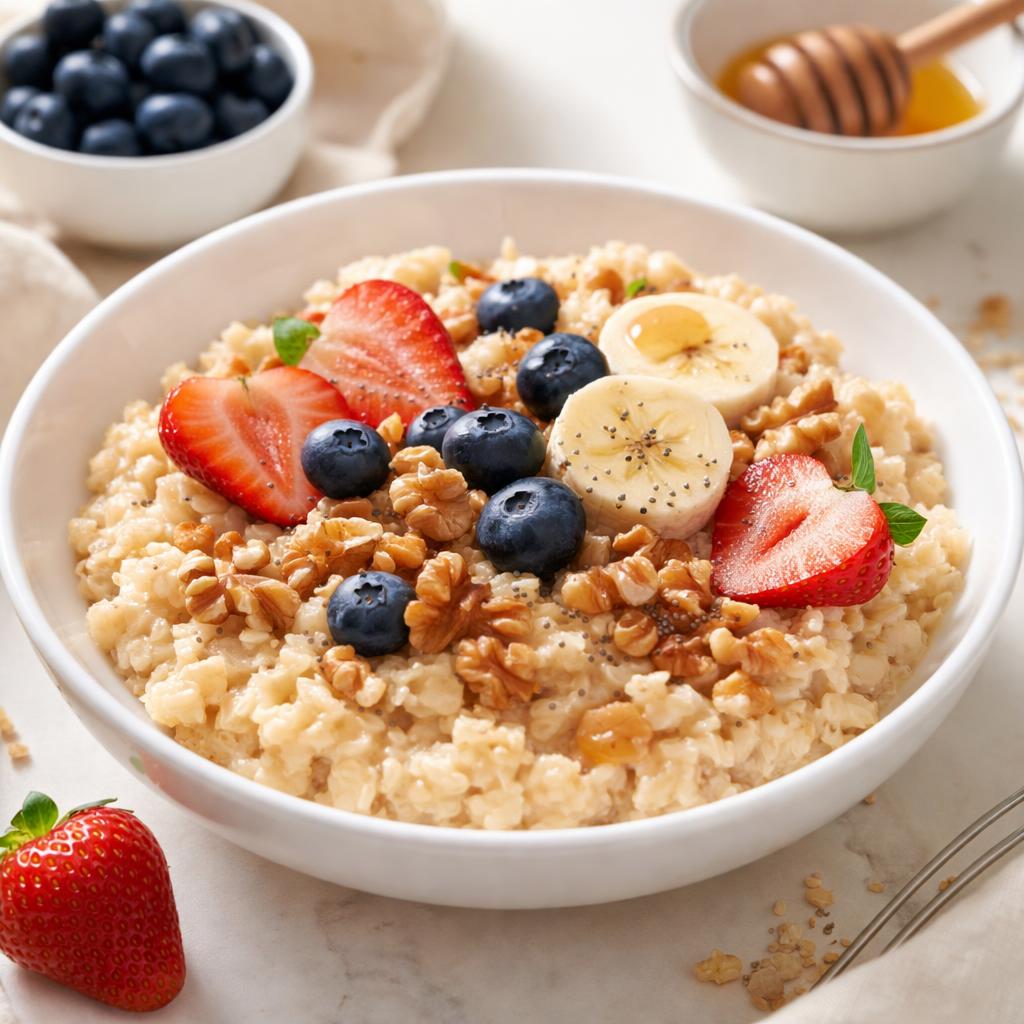
Oats
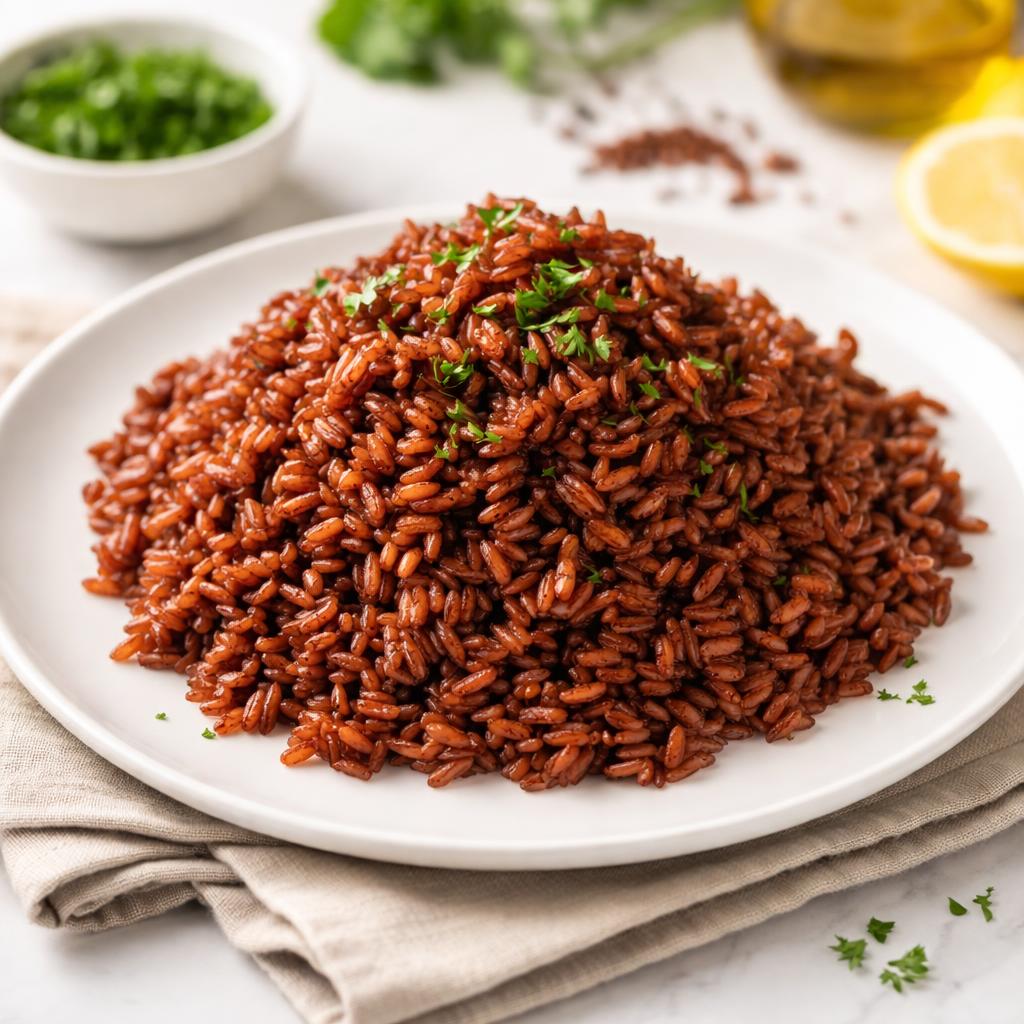
Red Rice
🎯 Quick Verdict
Oats and red rice are both nutrient-dense whole grains but serve different dietary roles. Oats are higher in protein and lower in calories, making them ideal for weight management and muscle building, while red rice shines with its fiber and antioxidant content, supporting digestive health and heart health. Both are excellent for balanced meals and compatible with vegan and gluten-free diets.

Smart Nutrition Tracking with SnapCalorie

📊 Nutritional Comparison
Macronutrients
| Nutrient | Food 1 | Food 2 | Winner |
|---|---|---|---|
| Calories | 150 (per 40g) | 180 (per 40g) | ✓ |
| Protein | 5g (per 40g) | 3g (per 40g) | ✓ |
| Carbs | 27g (per 40g) | 38g (per 40g) | ✓ |
| Fat | 3g (per 40g) | 1g (per 40g) | ✓ |
| Fiber | 4g (per 40g) | 6g (per 40g) | ✓ |
Vitamins & Minerals
| Nutrient | Food 1 | Food 2 | Winner |
|---|---|---|---|
| Vitamin B6 | 0.1mg | 0.1mg | − |
| Magnesium | 60mg | 70mg | ✓ |
| Iron | 1.5mg | 2.1mg | ✓ |
| Zinc | 0.6mg | 0.8mg | ✓ |
🏆 Category Winners
Protein
Oats contain 67% more protein per serving compared to red rice.
Fiber
Red rice has 50% more fiber per serving, ideal for digestive health.
Calories
Oats have 16% fewer calories per serving.
Vitamins
Red rice is richer in minerals like magnesium and iron, essential for energy production and oxygen transport.
🥗 Diet Compatibility
Keto
Food 1: Not Compatible
Food 2: Not Compatible
Both foods are high in carbohydrates and unsuitable for strict keto diets.
Vegan
Food 1: Compatible
Food 2: Compatible
Both oats and red rice are plant-based and fit vegan diets.
Gluten Free
Food 1: Compatible
Food 2: Compatible
Both foods are naturally gluten-free but ensure oats are labeled gluten-free to avoid cross-contamination.
Paleo
Food 1: Not Compatible
Food 2: Not Compatible
Neither oats nor red rice are paleo-friendly as they are considered grains and excluded under paleo guidelines.
Low-Carb
Food 1: Not Compatible
Food 2: Not Compatible
Oats and red rice both have high carbohydrate content and are unsuitable for low-carb diets.
💪 Health Benefits Comparison
Food 1 Benefits
- Provides complex carbohydrates for sustained energy
- Rich in beta-glucan, which supports heart health by lowering cholesterol
- A good source of protein, ideal for muscle repair and maintenance
- Contains antioxidants that can help reduce inflammation
Food 2 Benefits
- High in fiber, promoting healthy digestion and preventing constipation
- Rich in magnesium, supporting bone health and muscle function
- Contains antioxidants that protect cells against oxidative stress
- Good source of iron, essential for red blood cell production and oxygen transport
✅ The Bottom Line
Choose oats when aiming for a protein-packed, lower-calorie option ideal for breakfast or post-workout meals. Opt for red rice for its fiber and mineral-rich profile, making it perfect for heart health, digestion, and a nutrient-packed staple for lunch or dinner.
Choose Food 1 for: Weight management, protein-focused diets, energy boost
Choose Food 2 for: Improving digestion, nutrient density, heart health


