Oats VS Dry Pasta
A detailed nutritional comparison
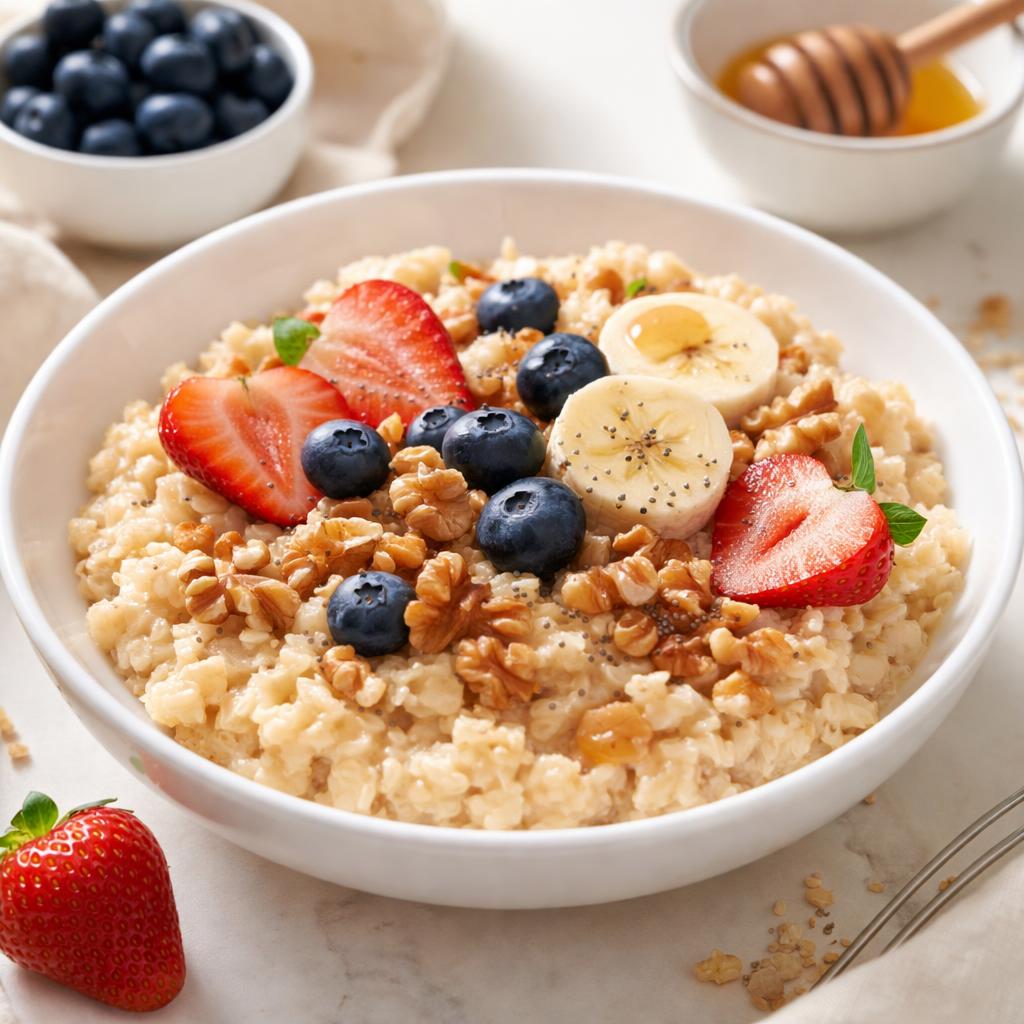
Oats
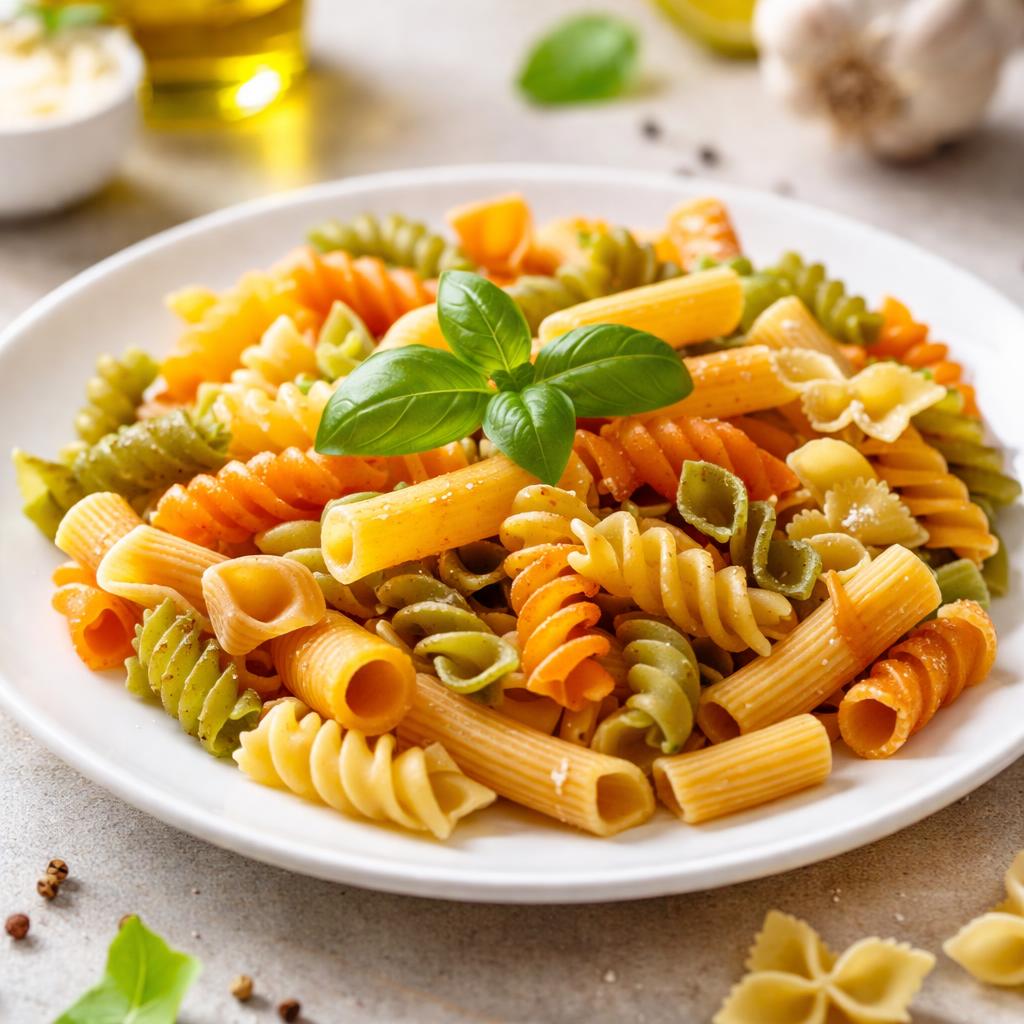
Dry Pasta
🎯 Quick Verdict
Oats are higher in fiber, lower in calories, and better suited for digestion and weight management, while dry pasta offers slightly more protein per serving, making it a good option for sustained energy. Both are versatile carbohydrate sources, but oats may be the healthier choice for everyday consumption due to their nutrient density and lower calorie content.

Smart Nutrition Tracking with SnapCalorie

📊 Nutritional Comparison
Macronutrients
| Nutrient | Food 1 | Food 2 | Winner |
|---|---|---|---|
| Calories | 150 per 40g serving | 200 per 40g serving | ✓ |
| Protein | 5g | 7g | ✓ |
| Carbs | 27g | 41g | ✓ |
| Fat | 3g | 1g | ✓ |
| Fiber | 4g | 2g | ✓ |
Vitamins & Minerals
| Nutrient | Food 1 | Food 2 | Winner |
|---|---|---|---|
| Vitamin B1 | 0.2mg | 0.1mg | ✓ |
| Iron | 1.5mg | 1.0mg | ✓ |
| Calcium | 15mg | 13mg | ✓ |
🏆 Category Winners
Protein
Dry pasta contains 40% more protein per serving than oats.
Fiber
Oats have double the fiber content per serving compared to dry pasta.
Calories
Oats are 25% lower in calories per serving than dry pasta.
🥗 Diet Compatibility
Keto
Food 1: Not Compatible
Food 2: Not Compatible
Both are high in carbohydrates, making them unsuitable for keto diets.
Vegan
Food 1: Compatible
Food 2: Compatible
Both oats and dry pasta are plant-based and vegan-friendly.
Gluten Free
Food 1: Varies
Food 2: Not Compatible
Oats can be gluten-free if certified, but dry pasta typically contains gluten.
Paleo
Food 1: Not Compatible
Food 2: Not Compatible
Both foods are grains, which are not allowed on paleo diets.
Low-Carb
Food 1: Not Compatible
Food 2: Not Compatible
Both are high-carb, with oats at 27g and dry pasta at 41g per serving.
💪 Health Benefits Comparison
Food 1 Benefits
- Rich in fiber for improved digestion and heart health
- Provides sustained energy and stabilizes blood sugar
- Contains antioxidants that contribute to reduced inflammation
- Good source of vitamins like B1 and iron for energy metabolism
Food 2 Benefits
- Higher protein content supports muscle repair and growth
- Low in fat, making it heart-friendly
- Provides a quick, sustained energy source for active lifestyles
- Contains essential B-vitamins for energy production
✅ The Bottom Line
Oats are a healthier overall choice due to their higher fiber content, lower calorie density, and nutrient profile, making them ideal for weight management and heart health. Dry pasta, with its higher protein and carbohydrate content, is better suited for athletes or individuals seeking sustained energy during prolonged physical activity.
Choose Food 1 for: Weight management, heart health, digestion
Choose Food 2 for: High-energy needs, athletes, protein intake


