Oats VS Baked Pasta
A detailed nutritional comparison
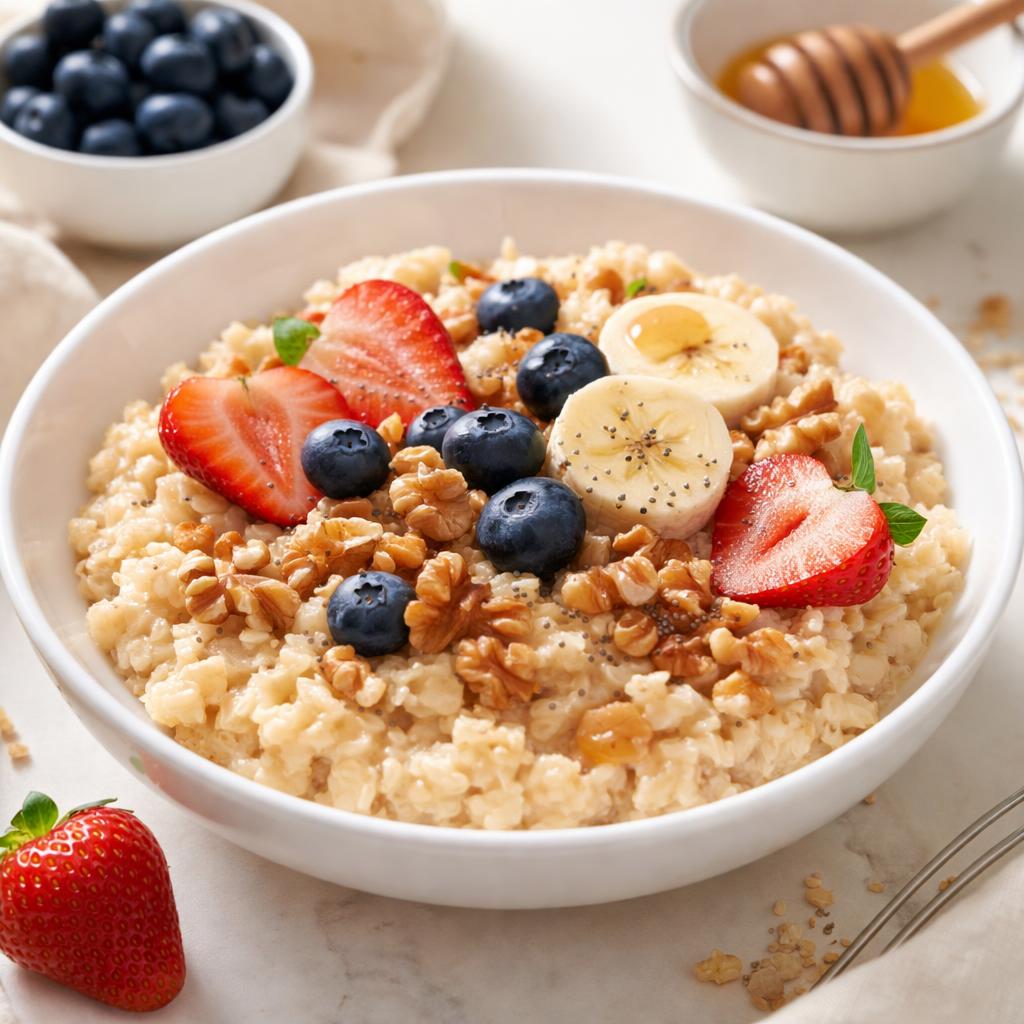
Oats
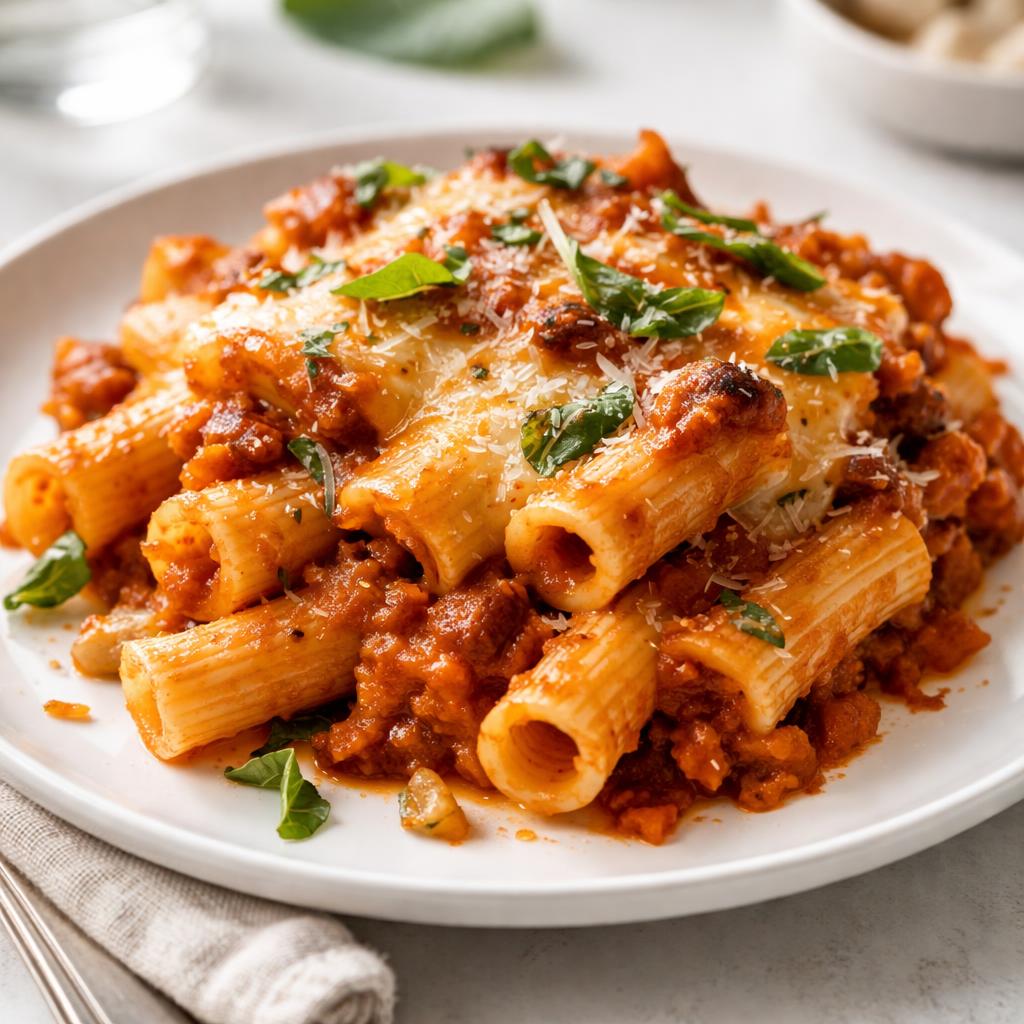
Baked Pasta
🎯 Quick Verdict
Oats are nutritionally dense with higher protein, fiber, and lower calorie content compared to baked pasta, making them ideal for weight management and digestive health. Baked pasta, while higher in calories and carbs, provides sustained energy and is a versatile comfort food for active individuals or larger meals.

Smart Nutrition Tracking with SnapCalorie

📊 Nutritional Comparison
Macronutrients
| Nutrient | Food 1 | Food 2 | Winner |
|---|---|---|---|
| Calories | 150 per 1/2 cup (dry) | 220 per 1 cup cooked | ✓ |
| Protein | 5g | 7g | ✓ |
| Carbs | 27g | 43g | ✓ |
| Fat | 3g | 2g | ✓ |
| Fiber | 4g | 2g | ✓ |
Vitamins & Minerals
| Nutrient | Food 1 | Food 2 | Winner |
|---|---|---|---|
| Vitamin D | 0mcg | 0mcg | − |
| Calcium | 20mg | 10mg | ✓ |
| Iron | 1.9mg | 0.5mg | ✓ |
🏆 Category Winners
Protein
Baked pasta has 40% more protein than oats per serving.
Fiber
Oats provide double the fiber of baked pasta, making them superior for digestion.
Calories
Oats have 30% fewer calories, making them more weight-loss-friendly.
🥗 Diet Compatibility
Keto
Food 1: Not Compatible
Food 2: Not Compatible
Both foods are high in carbs and not suitable for keto diets.
Vegan
Food 1: Compatible
Food 2: Compatible
Both oats and baked pasta can be included in vegan diets.
Gluten Free
Food 1: Compatible
Food 2: Not Compatible
Oats are naturally gluten-free, but pasta typically contains gluten unless made with gluten-free ingredients.
Paleo
Food 1: Not Compatible
Food 2: Not Compatible
Neither food aligns with paleo guidelines due to grain content.
Low Carb
Food 1: Not Compatible
Food 2: Not Compatible
Both are high-carb foods unsuitable for low-carb diets.
💪 Health Benefits Comparison
Food 1 Benefits
- Rich in soluble fiber for improved digestion and cholesterol management.
- Provides sustained energy with low glycemic impact.
- Contains antioxidants to support heart health.
Food 2 Benefits
- Higher protein content supports muscle repair and growth.
- Carb-dense energy source for physical performance and activity.
- Easy to pair with vegetables and lean protein for a balanced meal.
✅ The Bottom Line
Oats are better for weight management, digestion, and those needing a nutrient-dense breakfast option. Baked pasta is ideal for larger meals, pre-workout energy, or comfort food cravings when paired with other nutritious ingredients.
Choose Food 1 for: Weight loss, digestion health, breakfast recipes
Choose Food 2 for: Sustained energy, active lifestyles, comfort meals


