Noodles VS Whole Wheat Pasta
A detailed nutritional comparison
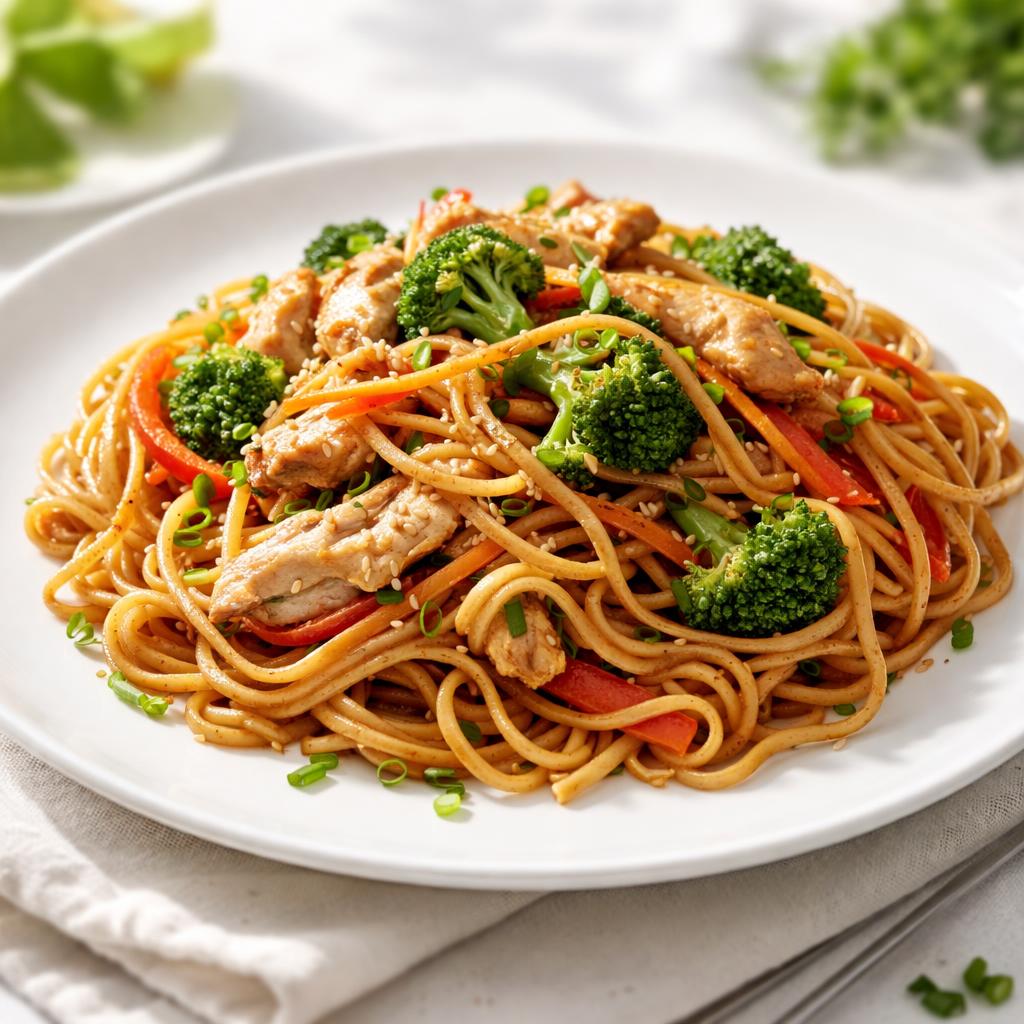
Noodles
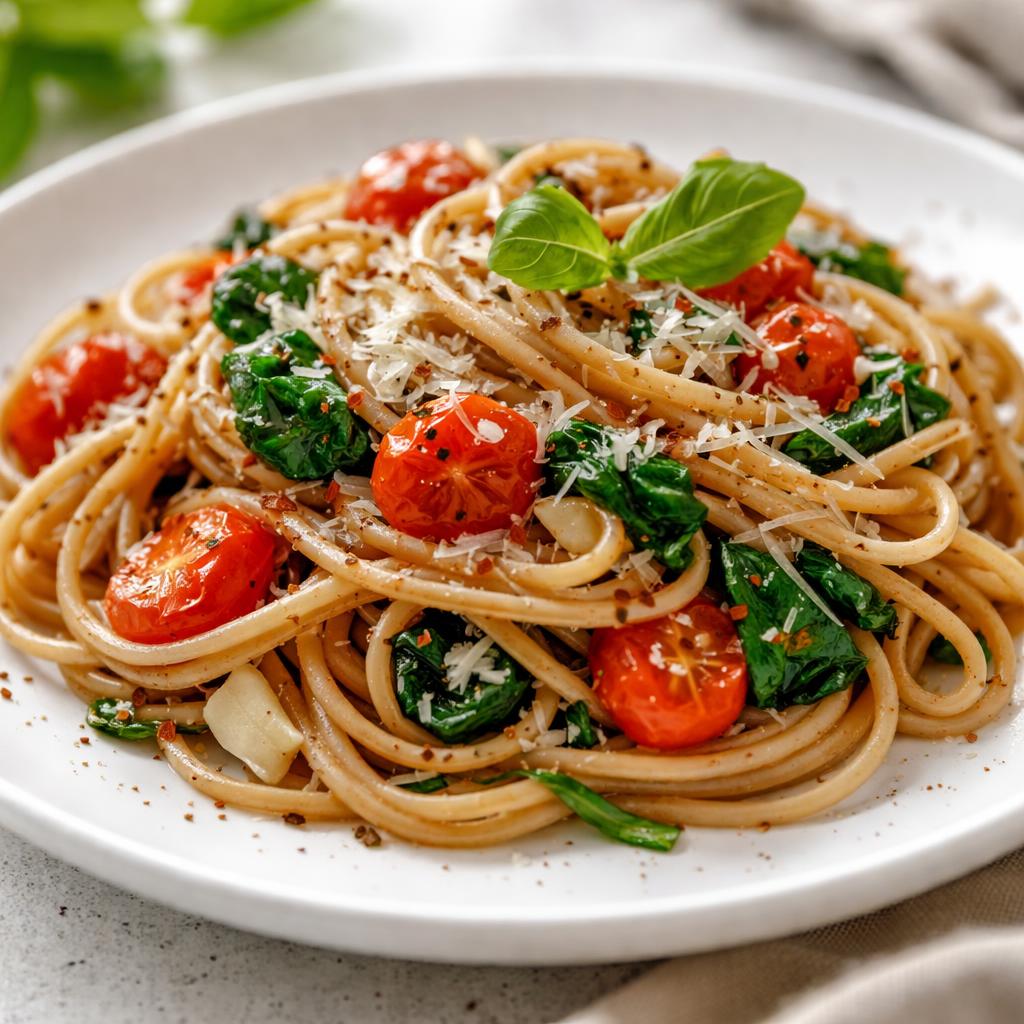
Whole Wheat Pasta
🎯 Quick Verdict
Whole wheat pasta (food2) is nutritionally superior to regular noodles (food1) due to its higher fiber, protein, and micronutrient content, while providing fewer calories. Noodles are lower in fiber and protein, making them less ideal for sustaining hunger but are still a lightweight option for quick energy. Whole wheat pasta is better suited for balanced meals and long-lasting energy supply.

Smart Nutrition Tracking with SnapCalorie

📊 Nutritional Comparison
Macronutrients
| Nutrient | Food 1 | Food 2 | Winner |
|---|---|---|---|
| Calories | 220 | 200 | ✓ |
| Protein | 7g | 8g | ✓ |
| Carbs | 43g | 41g | ✓ |
| Fat | 2g | 1.5g | ✓ |
| Fiber | 1g | 6g | ✓ |
Vitamins & Minerals
| Nutrient | Food 1 | Food 2 | Winner |
|---|---|---|---|
| Vitamin B6 | 0.02mg | 0.05mg | ✓ |
| Iron | 0.5mg | 2mg | ✓ |
| Magnesium | 11mg | 40mg | ✓ |
🏆 Category Winners
Protein
Whole wheat pasta has 15% more protein per serving.
Fiber
Whole wheat pasta offers 6x more dietary fiber per serving.
Calories
Whole wheat pasta has slightly fewer calories, making it the better option in calorie-controlled diets.
🥗 Diet Compatibility
Keto
Food 1: Not Compatible
Food 2: Not Compatible
Both contain too many carbohydrates to be keto-friendly.
Vegan
Food 1: Compatible
Food 2: Compatible
Both are plant-based.
Gluten Free
Food 1: Not Compatible
Food 2: Not Compatible
Both contain gluten.
Paleo
Food 1: Not Compatible
Food 2: Not Compatible
Neither aligns with paleo diet principles due to grain content.
Low Carb
Food 1: Not Compatible
Food 2: Not Compatible
Both have high carbohydrate content.
💪 Health Benefits Comparison
Food 1 Benefits
- Provides quick energy through carbohydrates
- Low fat content
- A neutral-tasting base for many dishes
Food 2 Benefits
- Rich in fiber for digestive health
- Higher protein content supports muscle maintenance
- Good source of iron and magnesium for energy metabolism and bone health
✅ The Bottom Line
Whole wheat pasta (food2) is the better option for overall nutrition, offering significantly more fiber, higher protein, and essential nutrients like iron and magnesium. Noodles (food1), while lower in calories, are less nutritionally dense and better suited for dishes where quick energy and a lighter option are preferred.
Choose Food 1 for: Quick energy, low-fiber meals, easy-to-digest options
Choose Food 2 for: Balanced meals, long-lasting energy, weight management


