Noodles VS Whole Grain Bread
A detailed nutritional comparison
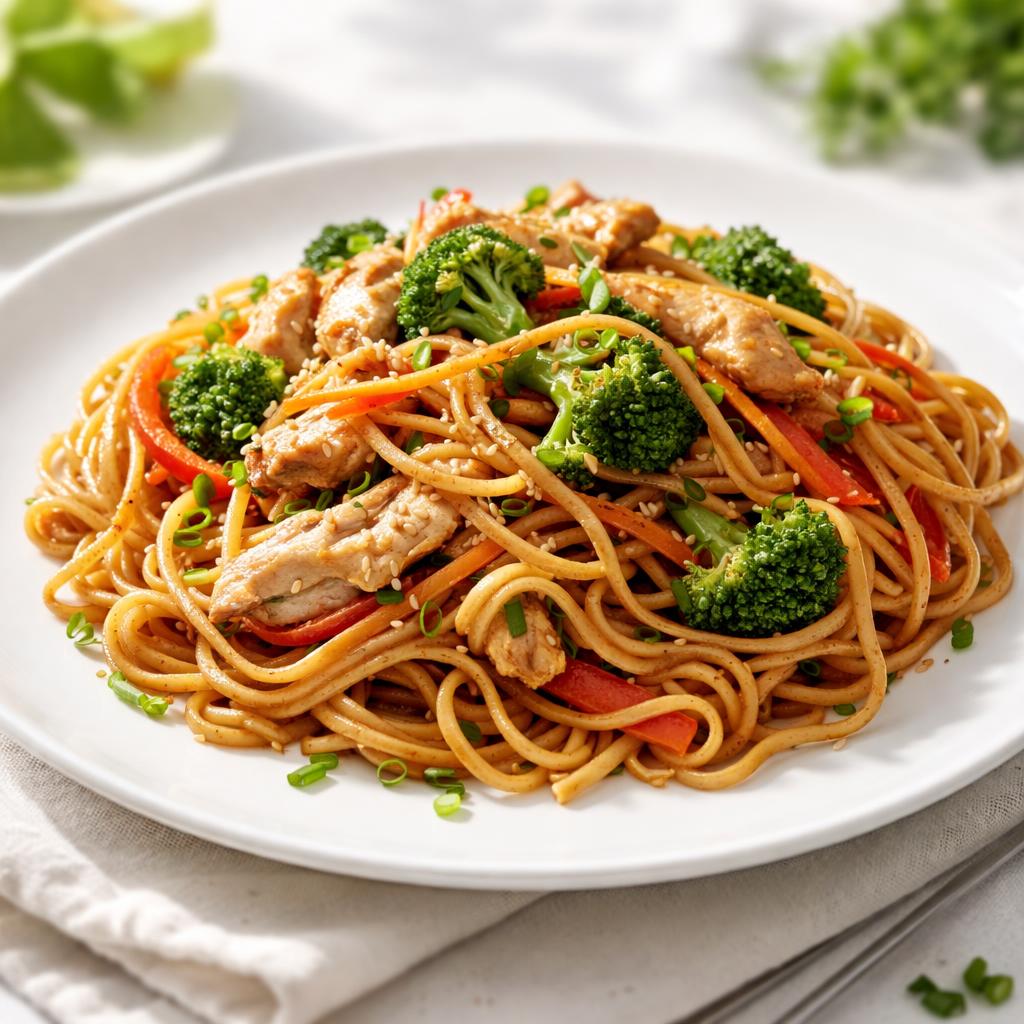
Noodles
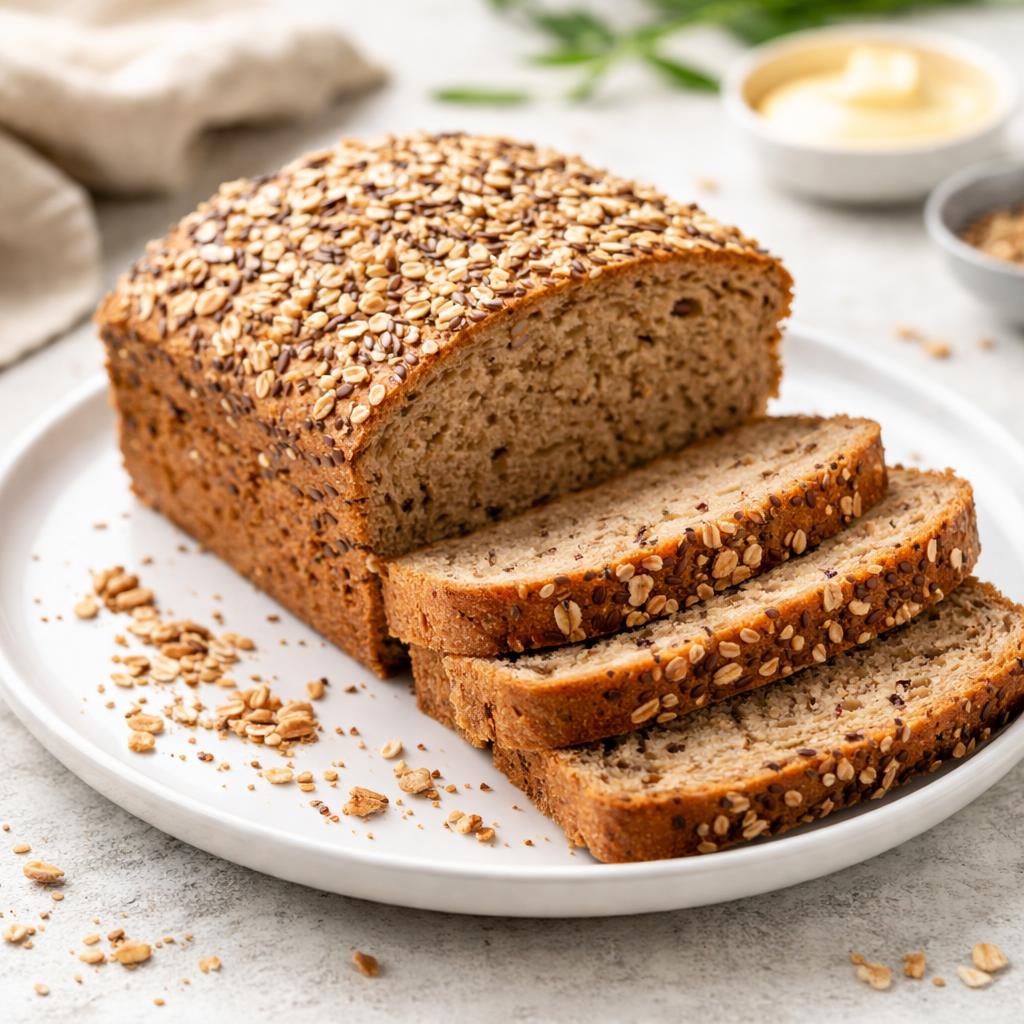
Whole Grain Bread
🎯 Quick Verdict
Whole grain bread offers more protein, fiber, and essential nutrients while being lower in calories compared to noodles. Noodles are more suitable for quick energy due to higher carbohydrate content but lack the micronutrient density of whole grain bread. Bread is optimal for balanced diets, while noodles serve as a good base for energy-rich meals.

Smart Nutrition Tracking with SnapCalorie

📊 Nutritional Comparison
Macronutrients
| Nutrient | Food 1 | Food 2 | Winner |
|---|---|---|---|
| Calories | 220 | 100 | ✓ |
| Protein | 7g | 12g | ✓ |
| Carbs | 40g | 18g | ✓ |
| Fat | 1g | 2g | ✓ |
| Fiber | 2g | 4g | ✓ |
Vitamins & Minerals
| Nutrient | Food 1 | Food 2 | Winner |
|---|---|---|---|
| Vitamin B1 (Thiamine) | 0.3mg | 0.5mg | ✓ |
| Iron | 1.5mg | 2.5mg | ✓ |
| Magnesium | 12mg | 50mg | ✓ |
🏆 Category Winners
Protein
Whole grain bread has 70% more protein per serving.
Fiber
Whole grain bread contains twice as much fiber.
Calories
Whole grain bread has 55% fewer calories.
Vitamins
Bread offers more essential vitamins, such as B1 and higher iron content.
🥗 Diet Compatibility
Keto
Food 1: Not Compatible
Food 2: Not Compatible
Both are high in carbs, making them unsuitable for a keto diet.
Vegan
Food 1: Compatible
Food 2: Compatible
Both foods are plant-based.
Gluten Free
Food 1: Not Compatible
Food 2: Not Compatible
Both contain gluten.
Paleo
Food 1: Not Compatible
Food 2: Not Compatible
Grains are not allowed in paleo diets.
Low Carb
Food 1: Not Compatible
Food 2: Not Compatible
Both are carb-heavy choices.
💪 Health Benefits Comparison
Food 1 Benefits
- Provides quick energy from carbohydrates
- Low in fat, making it a lighter option
- Easy to prepare and pair with sauces and proteins for customization
Food 2 Benefits
- High in fiber, supporting digestion and gut health
- Rich in protein for muscle maintenance
- Contains essential vitamins such as B1 and minerals like iron and magnesium
✅ The Bottom Line
Whole grain bread is the nutritionally superior choice due to its high protein, fiber, and nutrient density. Noodles are better suited for energy-rich meals or quick dishes. Bread is ideal for balanced diets and improving nutrient intake, while noodles serve as a flexible source of carbs for athletes or busy individuals.
Choose Food 1 for: Quick energy, pasta dishes, versatile meal bases
Choose Food 2 for: Balanced nutrition, long-term health benefits, sandwiches or toast


