Noodles VS White Bread
A detailed nutritional comparison
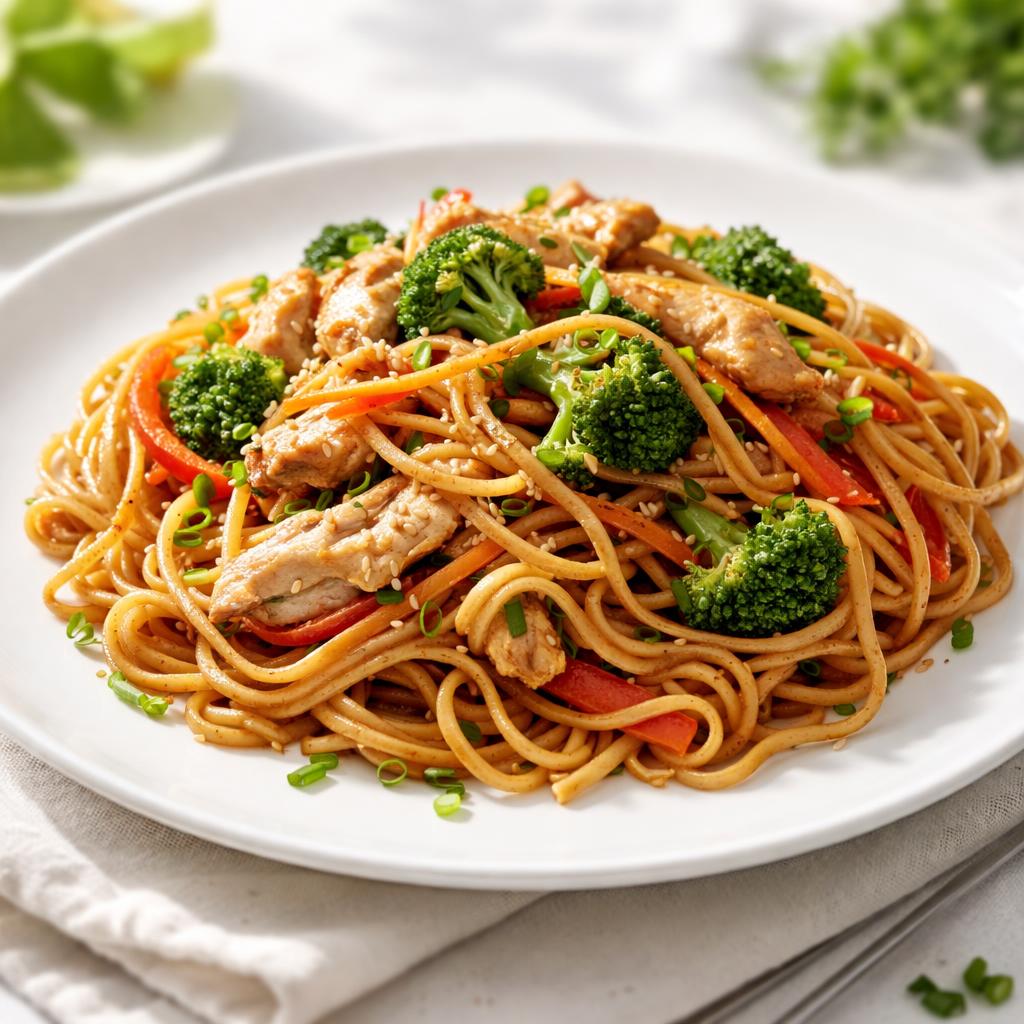
Noodles
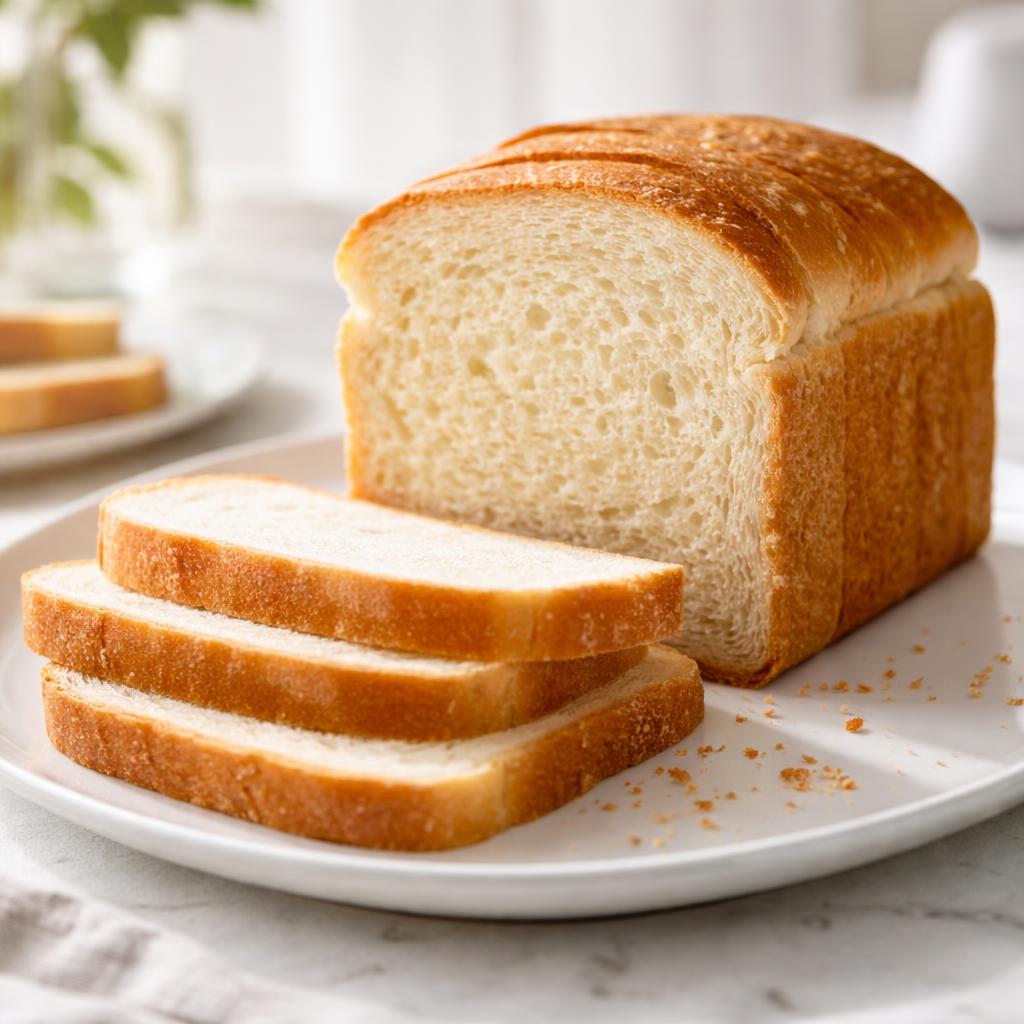
White Bread
🎯 Quick Verdict
Noodles and white bread are both carbohydrate-rich foods, but they differ in specific nutritional profiles. Noodles are slightly lower in calories and higher in protein, making them better for weight management and muscle-focused diets. White bread contains slightly more fiber and is richer in calcium, but may provide fewer micronutrients overall. Both options work well in balanced diets depending on individual goals and requirements.

Smart Nutrition Tracking with SnapCalorie

📊 Nutritional Comparison
Macronutrients
| Nutrient | Food 1 | Food 2 | Winner |
|---|---|---|---|
| Calories | 160 | 240 | ✓ |
| Protein | 6g | 4g | ✓ |
| Carbs | 31g | 45g | ✓ |
| Fat | 1g | 1g | − |
| Fiber | 1.8g | 2g | ✓ |
Vitamins & Minerals
| Nutrient | Food 1 | Food 2 | Winner |
|---|---|---|---|
| Vitamin D | 0mcg | 0mcg | − |
| Calcium | 8mg | 108mg | ✓ |
| Iron | 1.6mg | 0.7mg | ✓ |
🏆 Category Winners
Protein
Noodles provide 50% more protein per serving than white bread.
Fiber
White bread contains slightly more fiber per serving.
Calories
Noodles have about 33% fewer calories per serving.
Vitamins
White bread offers significantly more calcium and some fortified nutrients.
🥗 Diet Compatibility
Keto
Food 1: Not Compatible
Food 2: Not Compatible
Both foods are high in carbohydrates and unsuitable for keto diets.
Vegan
Food 1: Compatible
Food 2: Compatible
Both are plant-based, depending on the recipe.
Gluten Free
Food 1: Not Compatible
Food 2: Not Compatible
Both foods contain gluten.
Paleo
Food 1: Not Compatible
Food 2: Not Compatible
Both are processed and grain-based, excluding them from paleo diets.
Low Carb
Food 1: Not Compatible
Food 2: Not Compatible
Both are high in carbohydrates, making them unsuitable for low-carb diets.
💪 Health Benefits Comparison
Food 1 Benefits
- Lower in calories for weight management
- Contains moderate protein for muscle repair
- Source of iron for oxygen transport in the body
Food 2 Benefits
- Provides calcium for bone health
- Higher fiber content for aiding digestion
- Fortified nutrients for added dietary support
✅ The Bottom Line
Both noodles and white bread are carb-heavy staples but suit different purposes. Noodles are slightly lower in calories and higher in protein, making them better for fitness-focused diets. White bread offers marginally more fiber and is often fortified, making it more supportive for those seeking calcium and a quick energy source.
Choose Food 1 for: Weight management, muscle repair, balanced meals
Choose Food 2 for: Bone health, digestion, convenience as a fortified option


