Noodles VS Sushi Rice
A detailed nutritional comparison
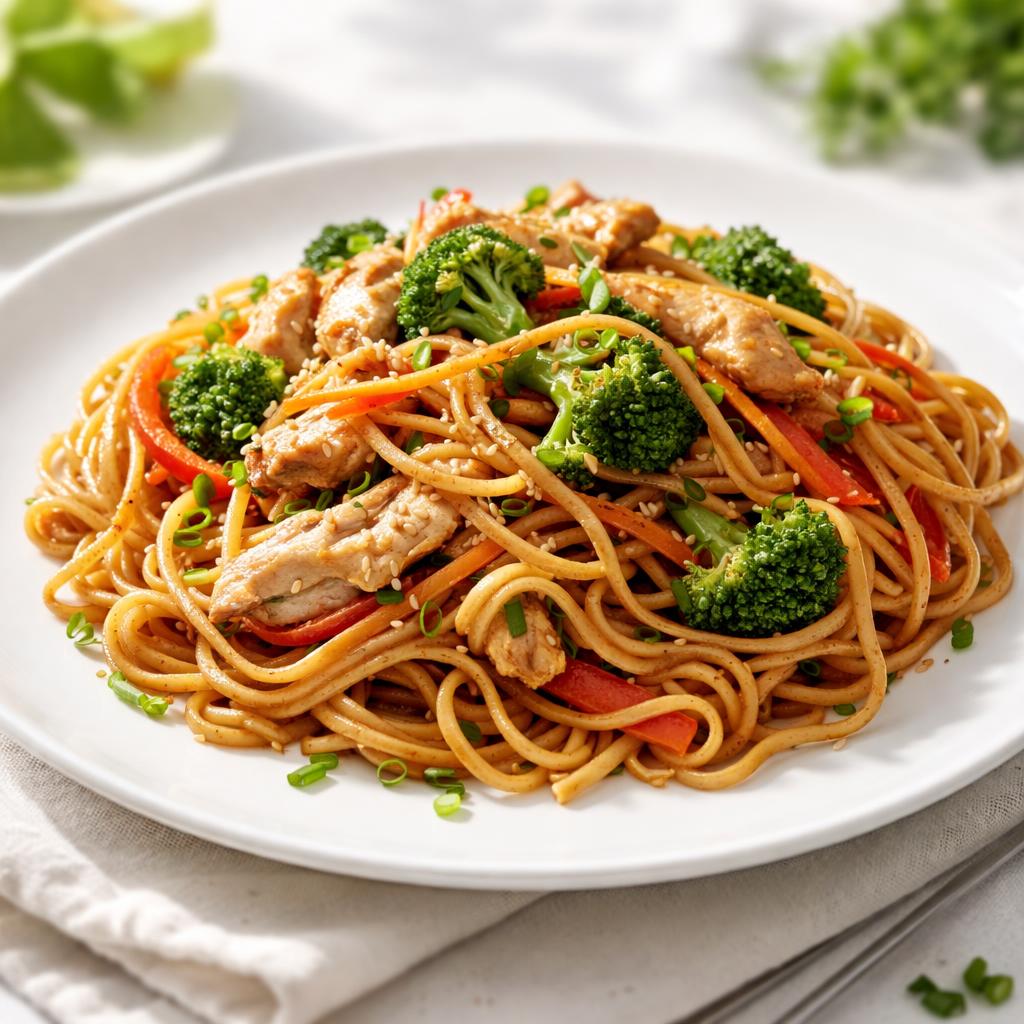
Noodles
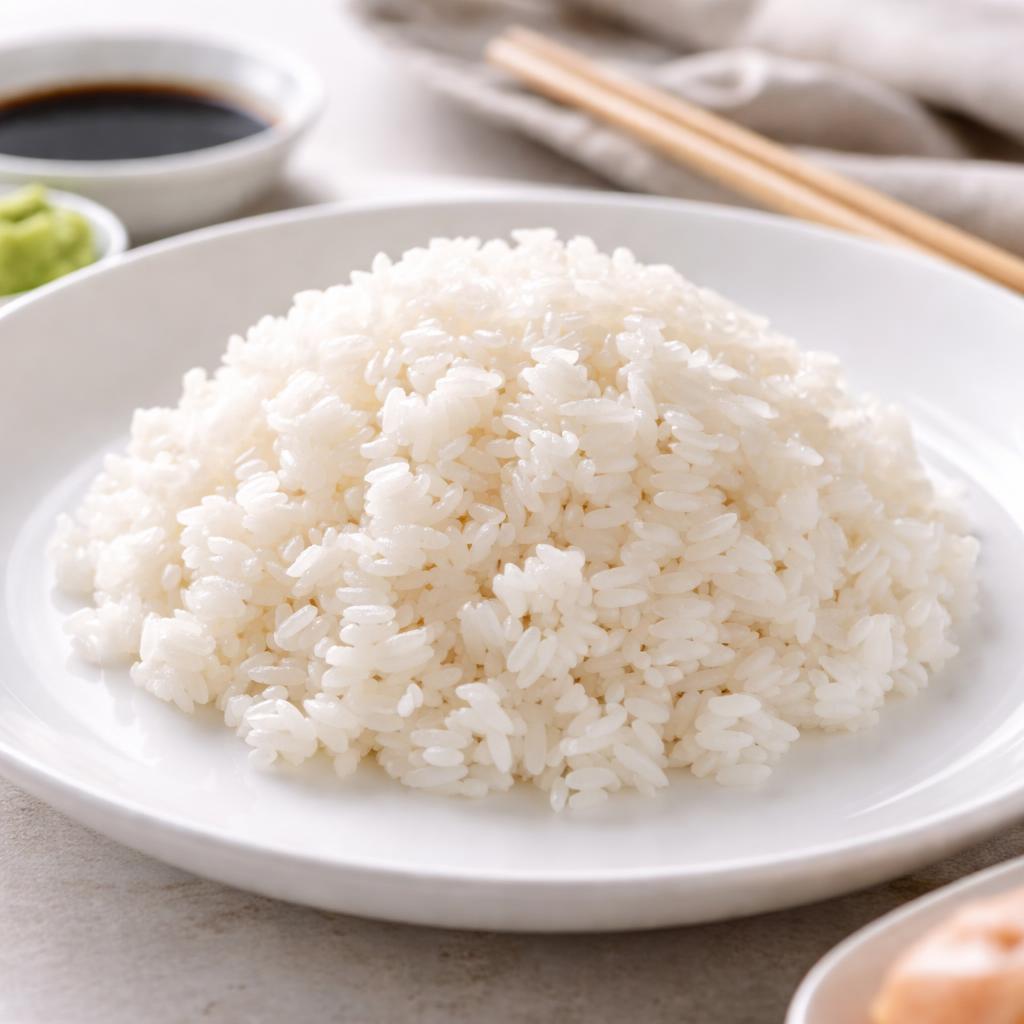
Sushi Rice
🎯 Quick Verdict
Noodles offer slightly higher protein and fiber than sushi rice per serving, making them better for muscle maintenance and digestion. On the other hand, sushi rice excels in providing energy from healthy carbohydrates, with lower fat content. Both can fit into balanced diets, depending on your goals and needs.

Smart Nutrition Tracking with SnapCalorie

📊 Nutritional Comparison
Macronutrients
| Nutrient | Food 1 | Food 2 | Winner |
|---|---|---|---|
| Calories | 130 | 130 | − |
| Protein | 5g | 2g | ✓ |
| Carbs | 22g | 28g | ✓ |
| Fat | 2g | 0g | ✓ |
| Fiber | 2g | 0g | ✓ |
Vitamins & Minerals
| Nutrient | Food 1 | Food 2 | Winner |
|---|---|---|---|
| Vitamin D | 0mcg | 0mcg | − |
| Calcium | 10mg | 3mg | ✓ |
| Iron | 1.5mg | 0.2mg | ✓ |
🏆 Category Winners
Protein
Noodles contain almost 150% more protein per serving.
Fiber
Noodles provide 2g of fiber, whereas sushi rice contains none.
Calories
Both options provide an equal number of calories per serving.
Vitamins
Noodles have slightly higher calcium and iron levels.
🥗 Diet Compatibility
Keto
Food 1: Not Compatible
Food 2: Not Compatible
Both are high-carb foods and unsuitable for a keto diet.
Vegan
Food 1: Compatible
Food 2: Compatible
Both are plant-based.
Gluten Free
Food 1: Not Compatible
Food 2: Compatible
Traditional noodles contain gluten, while sushi rice is naturally gluten-free.
Paleo
Food 1: Not Compatible
Food 2: Compatible
Sushi rice aligns with paleo guidelines whereas noodles do not.
Low Carb
Food 1: Not Compatible
Food 2: Not Compatible
Both foods are high in carbohydrates.
💪 Health Benefits Comparison
Food 1 Benefits
- Provides moderate protein for muscle repair
- Offers dietary fiber for better digestion
- Contains iron for oxygen transport
Food 2 Benefits
- Low in fat for heart health
- Great source of clean carbs for sustained energy
- Gluten-free for people with sensitivities
✅ The Bottom Line
For higher protein and fiber, choose noodles, especially for post-workout needs or balanced meals. Sushi rice is a better option for energy-focused meals, gluten-free diets, or paleo plans. Both have their place depending on your dietary goals.
Choose Food 1 for: Muscle maintenance, digestion support, plant-based balanced diets
Choose Food 2 for: Energy replenishment, gluten-free diets, paleo meals


