Noodles VS Rice With Vegetables
A detailed nutritional comparison
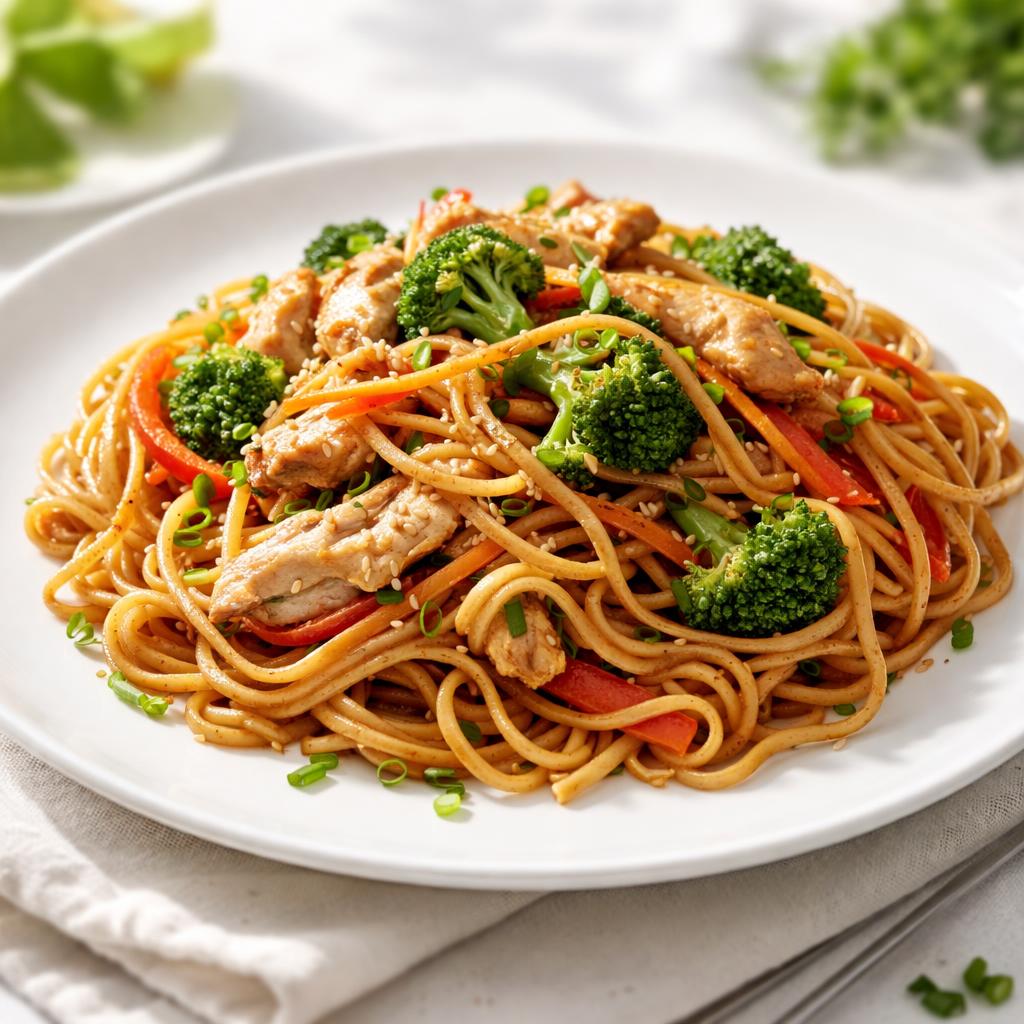
Noodles
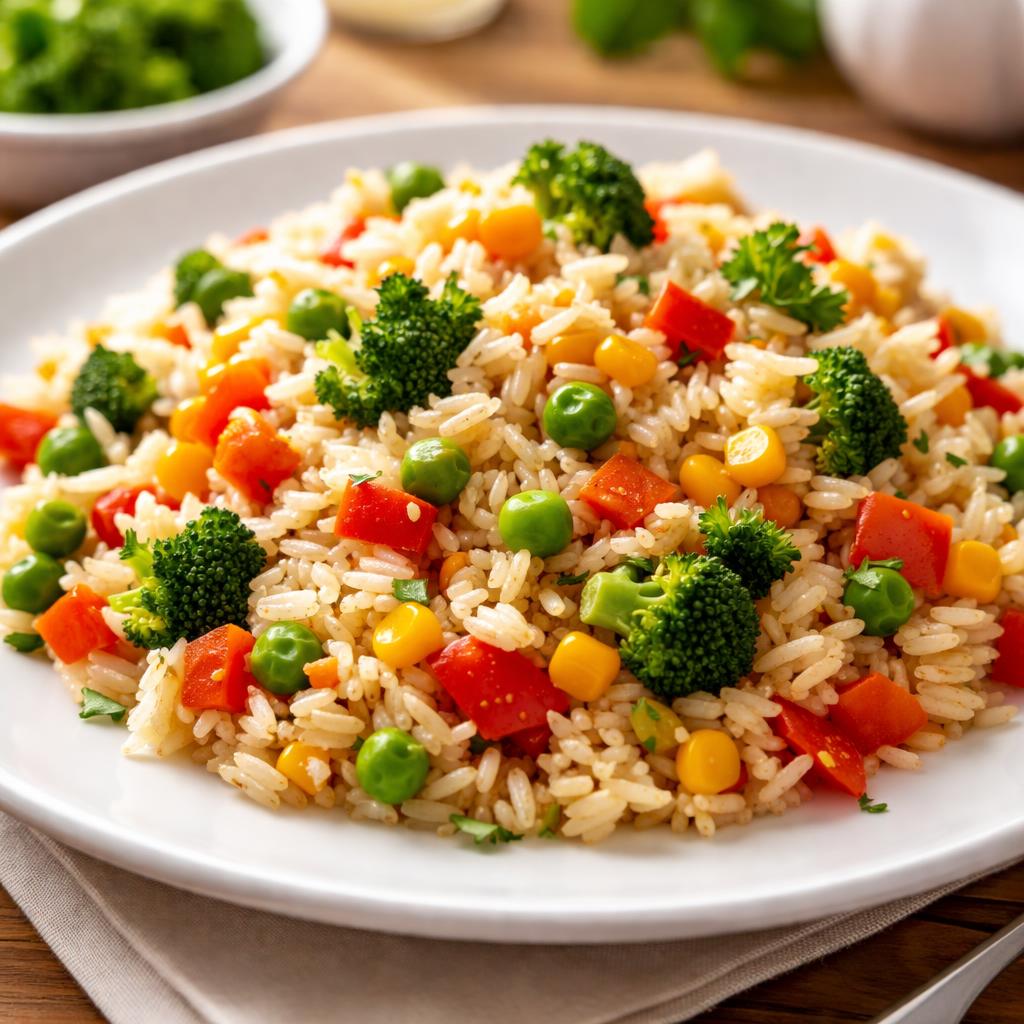
Rice With Vegetables
🎯 Quick Verdict
Rice with vegetables outshines noodles for overall nutrient density, delivering more protein, fiber, and vitamins. Noodles are higher in refined carbohydrates but have slightly fewer calories, making them suitable for quick energy needs. Rice with vegetables is better for balanced meals focused on micronutrients and fiber.

Smart Nutrition Tracking with SnapCalorie

📊 Nutritional Comparison
Macronutrients
| Nutrient | Food 1 | Food 2 | Winner |
|---|---|---|---|
| Calories | 200 | 200 | − |
| Protein | 6g | 8g | ✓ |
| Carbs | 40g | 30g | ✓ |
| Fat | 1g | 3g | ✓ |
| Fiber | 1g | 5g | ✓ |
Vitamins & Minerals
| Nutrient | Food 1 | Food 2 | Winner |
|---|---|---|---|
| Vitamin A | 0mcg | 50mcg | ✓ |
| Vitamin C | 0mg | 20mg | ✓ |
| Iron | 1mg | 2mg | ✓ |
🏆 Category Winners
Protein
Rice with vegetables provides 33% more protein per serving than noodles.
Fiber
Rice with vegetables contains 5 times more fiber, aiding digestion.
Calories
Both foods provide an equal calorie count of 200 per serving.
Vitamins
Rice with vegetables delivers significantly more vitamin A, vitamin C, and iron due to the inclusion of vegetables.
🥗 Diet Compatibility
Keto
Food 1: Not Compatible
Food 2: Not Compatible
Both are high in carbohydrates and unsuitable for keto diets.
Vegan
Food 1: Compatible
Food 2: Compatible
Neither contains animal products, making both suitable for vegans.
Gluten Free
Food 1: Not Compatible
Food 2: Compatible
Noodles often contain wheat, while rice with vegetables is gluten-free.
Paleo
Food 1: Not Compatible
Food 2: Compatible
Noodles are processed and not paleo-compatible. Rice and vegetables align better with paleo principles.
Low-Carb
Food 1: Not Compatible
Food 2: Not Compatible
Both foods are relatively high in carbohydrates and not ideal for low-carb diets.
💪 Health Benefits Comparison
Food 1 Benefits
- Quick source of energy from carbohydrates
- Simple to prepare for fast meals
- Low in fat, suitable for low-fat diets
Food 2 Benefits
- High in fiber for better digestion
- Rich in vitamins and minerals from vegetables
- Balanced macronutrients for sustained energy
✅ The Bottom Line
Choose noodles for a quick energy boost and quicker meal preparation. Opt for rice with vegetables when looking for a more balanced, nutrient-dense option with vitamins and fiber. The inclusion of vegetables makes food2 better for overall health.
Choose Food 1 for: Quick meals, low-fat diets, immediate energy needs
Choose Food 2 for: Balanced meals, improved digestion, micronutrient intake


