Noodles VS Rice Soup
A detailed nutritional comparison
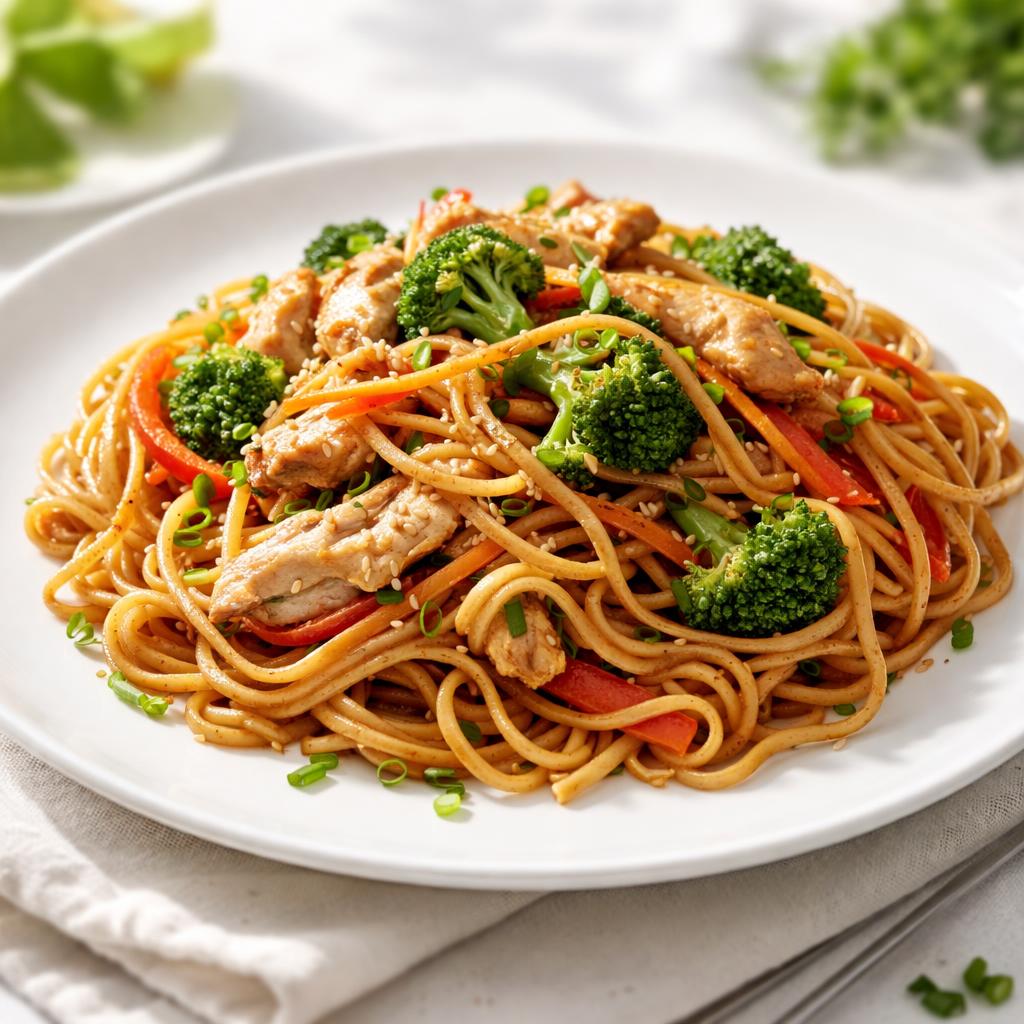
Noodles
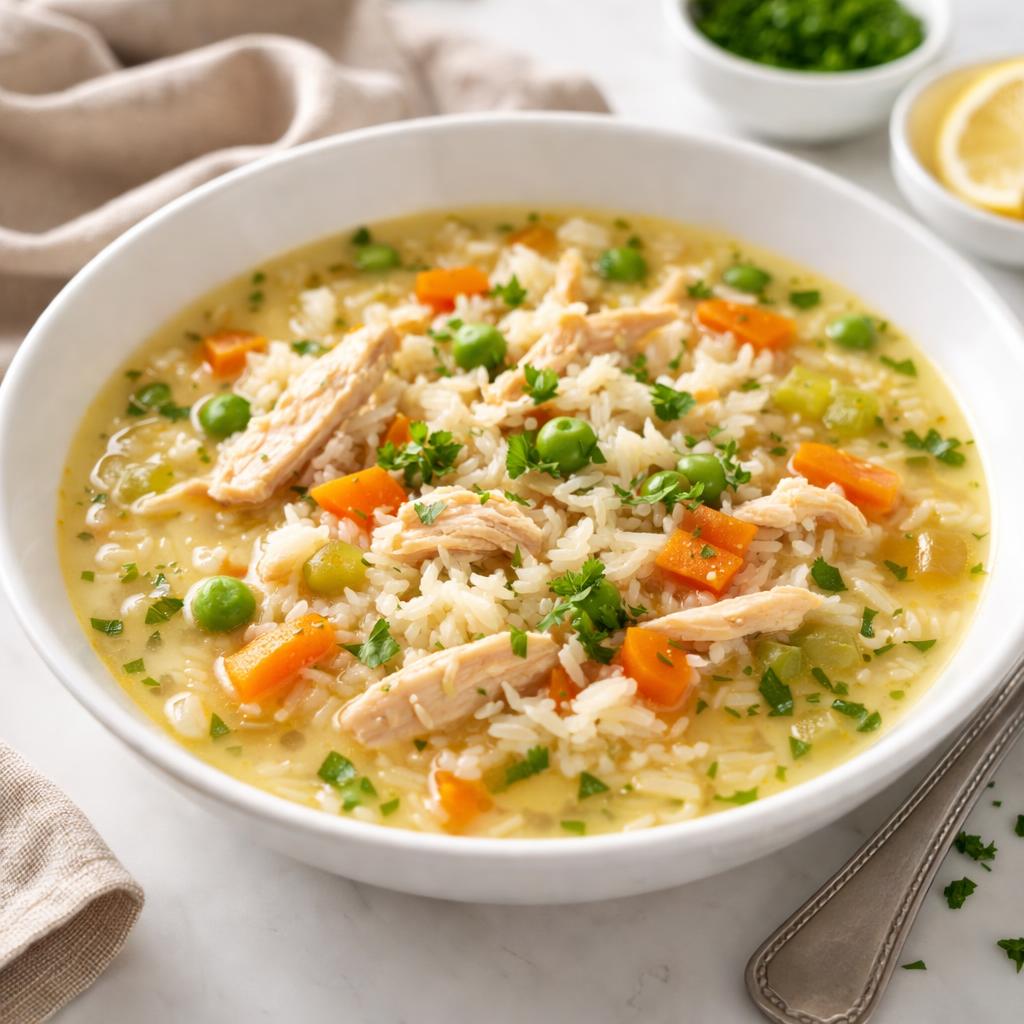
Rice Soup
🎯 Quick Verdict
Rice soup is lower in calories and provides hydration, making it suitable for light meals and portion control. Noodles, on the other hand, are higher in protein and fiber, making them ideal for more substantial meals or energy needs. Each food has distinct advantages depending on dietary goals and use cases.

Smart Nutrition Tracking with SnapCalorie

📊 Nutritional Comparison
Macronutrients
| Nutrient | Food 1 | Food 2 | Winner |
|---|---|---|---|
| Calories | 220 | 80 | ✓ |
| Protein | 7g | 2g | ✓ |
| Carbs | 42g | 12g | ✓ |
| Fat | 3g | 1g | ✓ |
| Fiber | 2g | 0g | ✓ |
Vitamins & Minerals
| Nutrient | Food 1 | Food 2 | Winner |
|---|---|---|---|
| Vitamin C | 0mg | 2mg | ✓ |
| Vitamin A | 0IU | 230IU | ✓ |
| Iron | 1.8mg | 0.6mg | ✓ |
🏆 Category Winners
Protein
Food1 contains 3.5 times more protein per serving.
Fiber
Food1 has 2g of fiber versus food2's 0g.
Calories
Food2 has about 60% fewer calories than food1.
Vitamins
Food2 contains vitamin A and vitamin C, which are absent in food1.
🥗 Diet Compatibility
Keto
Food 1: Not Compatible
Food 2: Not Compatible
Both foods are high in carbohydrates.
Vegan
Food 1: Compatible
Food 2: Compatible
Neither food contains animal products.
Gluten Free
Food 1: Not Compatible
Food 2: Compatible
Rice soup is naturally gluten-free, but noodles typically contain wheat.
Paleo
Food 1: Not Compatible
Food 2: Compatible
Rice soup aligns with paleo principles; noodles do not due to processed grains.
Low Carb
Food 1: Not Compatible
Food 2: Compatible
Rice soup has significantly fewer carbs than noodles.
💪 Health Benefits Comparison
Food 1 Benefits
- Rich in carbohydrates for energy
- High in protein compared to rice soup
- Provides minimal iron for supporting red blood cells
Food 2 Benefits
- Low in calories, ideal for weight management
- Good source of vitamin A for eye health
- Hydrating and easy to digest
✅ The Bottom Line
Choose noodles for meals requiring higher protein and fiber, such as post-workout recovery or energy-demanding days. Opt for rice soup when you need a light, low-calorie meal, hydration, or vitamin A and C benefits.
Choose Food 1 for: Substantial meals, muscle maintenance, energy needs
Choose Food 2 for: Weight management, light meals, hydration


