Noodles VS Rice Noodle
A detailed nutritional comparison
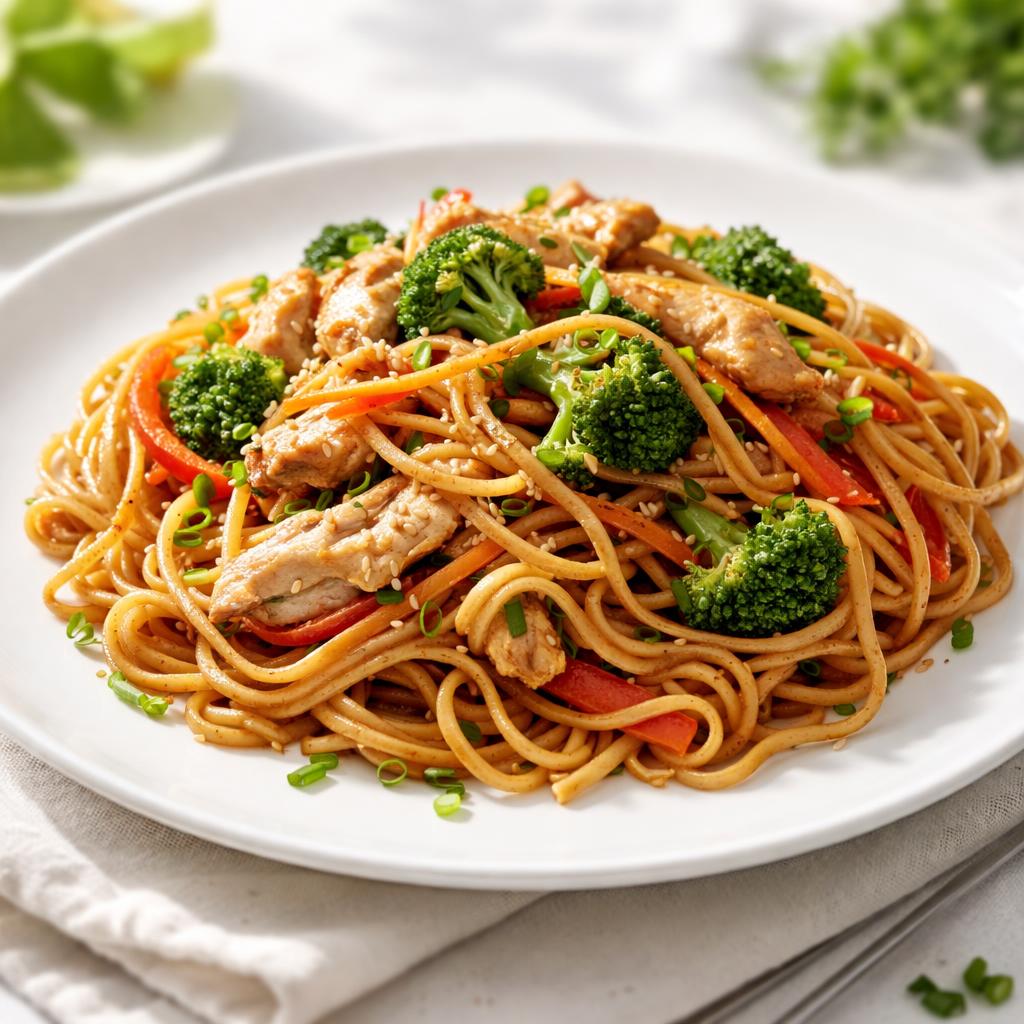
Noodles
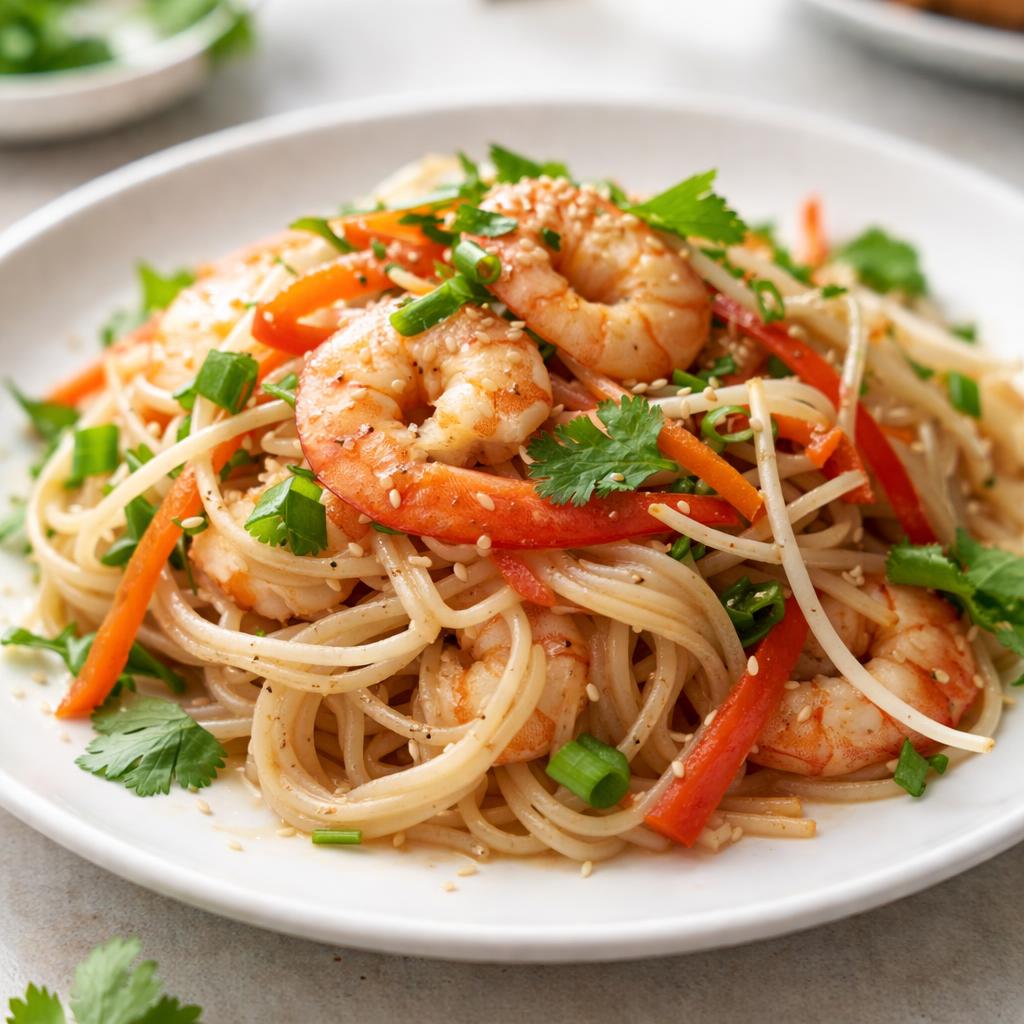
Rice Noodle
🎯 Quick Verdict
Noodles and rice noodles differ in calories and macronutrients. Noodles are slightly higher in protein and fiber, making them better for muscle recovery and digestion. Rice noodles are lower in calories and carbohydrates, suiting calorie-controlled and gluten-free diets better. Choose based on your specific dietary needs.

Smart Nutrition Tracking with SnapCalorie

📊 Nutritional Comparison
Macronutrients
| Nutrient | Food 1 | Food 2 | Winner |
|---|---|---|---|
| Calories | 220 | 190 | ✓ |
| Protein | 8g | 4g | ✓ |
| Carbs | 42g | 45g | ✓ |
| Fat | 2g | 0g | ✓ |
| Fiber | 2.5g | 1g | ✓ |
Vitamins & Minerals
| Nutrient | Food 1 | Food 2 | Winner |
|---|---|---|---|
| Vitamin B6 | 0.1mg | 0.05mg | ✓ |
| Magnesium | 23mg | 11mg | ✓ |
| Iron | 1.9mg | 0.2mg | ✓ |
🏆 Category Winners
Protein
Food1 (noodles) has 100% more protein per serving.
Fiber
Food1 provides more dietary fiber for improved digestion.
Calories
Food2 (rice noodles) has 13% fewer calories per serving and no fat.
🥗 Diet Compatibility
Keto
Food 1: Not Compatible
Food 2: Not Compatible
Both are high-carb and unsuitable for keto diets.
Vegan
Food 1: Compatible
Food 2: Compatible
Both are free from animal products.
Gluten Free
Food 1: Not Compatible
Food 2: Compatible
Rice noodles are naturally gluten-free, while traditional noodles contain wheat.
Paleo
Food 1: Not Compatible
Food 2: Not Compatible
Both are processed grain-based foods and not suitable for paleo diets.
Low-Carb
Food 1: Not Compatible
Food 2: Not Compatible
Both are high-carb foods with over 40g carbs per serving.
💪 Health Benefits Comparison
Food 1 Benefits
- Higher in protein for muscle growth and repair
- Contains dietary fiber for digestive health
- Provides magnesium to support bone health
- Offers iron for improved oxygen transport in the body
Food 2 Benefits
- Low in calories for weight management
- Gluten-free option for those with dietary sensitivities
- Contains zero fat, aiding heart health
- Easily digestible carbohydrate source for quick energy
✅ The Bottom Line
Both foods offer unique advantages depending on your dietary needs. Choose noodles for higher protein and fiber content to support muscle recovery and digestion. Opt for rice noodles for a low-calorie, gluten-free option suitable for light, energy-rich meals. Pair either food with additional vegetables and proteins for balanced meals.
Choose Food 1 for: Muscle recovery, sustained energy, digestion support
Choose Food 2 for: Gluten-free diets, weight management, quick energy meals


