Noodles VS Rice Crackers
A detailed nutritional comparison
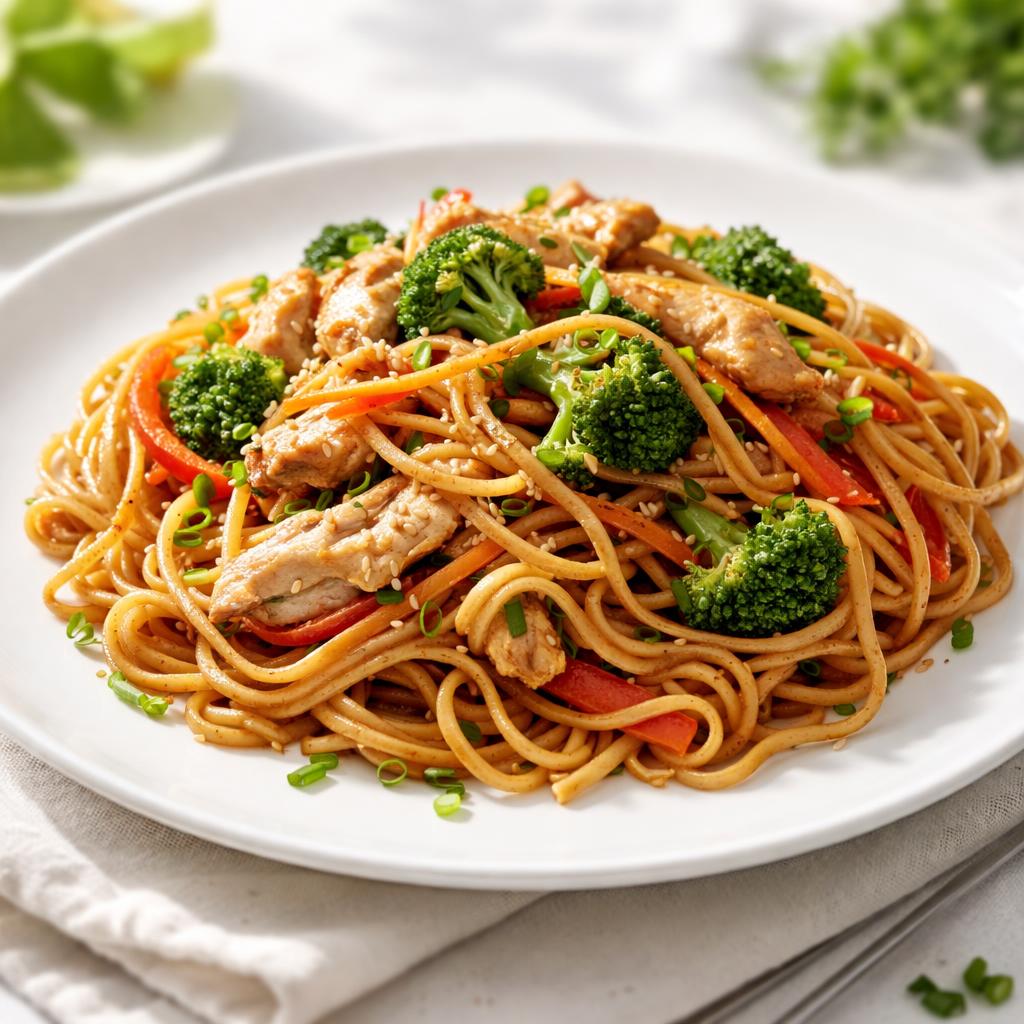
Noodles
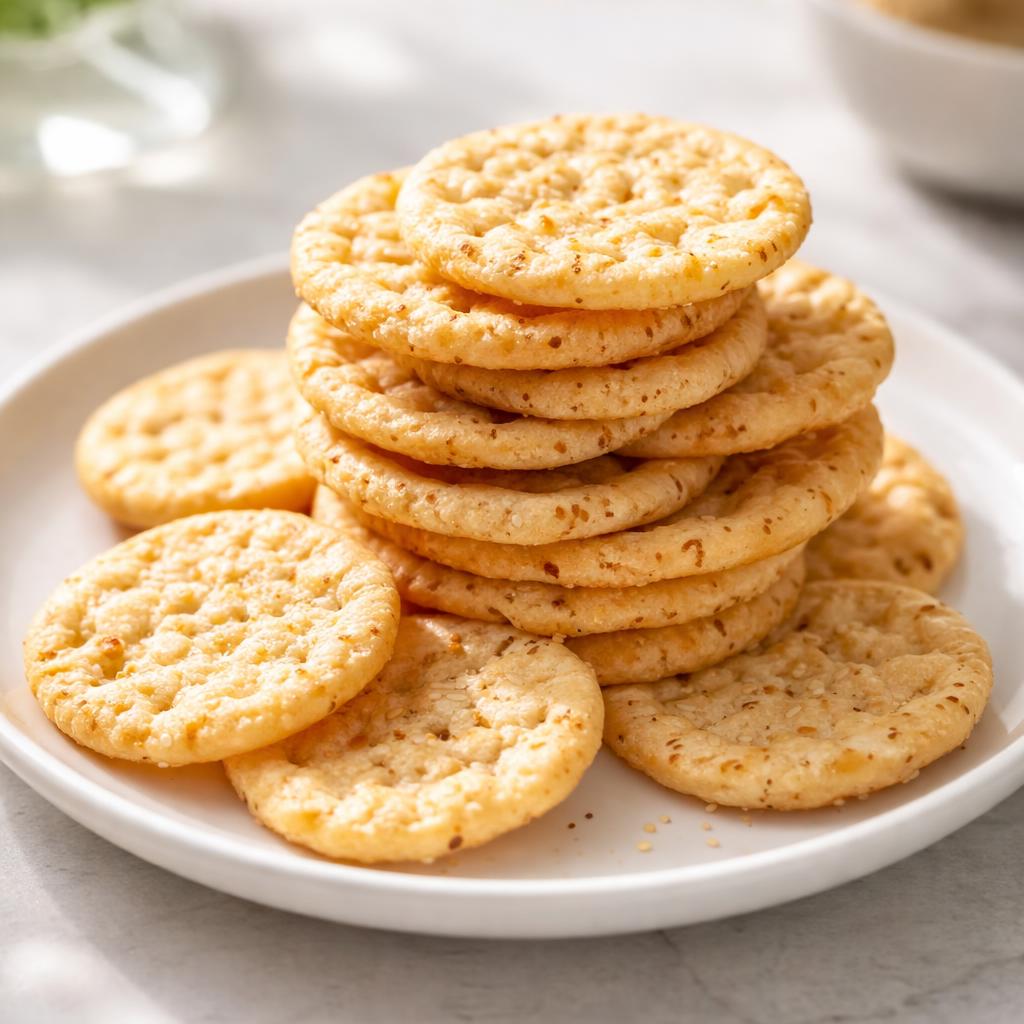
Rice Crackers
🎯 Quick Verdict
Noodles and rice crackers differ significantly in nutritional profiles. Noodles are more balanced in protein and fiber, making them ideal for sustained energy and hunger control, whereas rice crackers are lower in calories and can be a light snack. Noodles are better suited for meals, while rice crackers work well as portable, low-calorie snacks.

Smart Nutrition Tracking with SnapCalorie

📊 Nutritional Comparison
Macronutrients
| Nutrient | Food 1 | Food 2 | Winner |
|---|---|---|---|
| Calories | 200 | 110 | ✓ |
| Protein | 6g | 2g | ✓ |
| Carbs | 40g | 25g | ✓ |
| Fat | 2g | 0g | ✓ |
| Fiber | 2g | 0.5g | ✓ |
Vitamins & Minerals
| Nutrient | Food 1 | Food 2 | Winner |
|---|---|---|---|
| Vitamin D | 0mcg | 0mcg | − |
| Calcium | 15mg | 10mg | ✓ |
| Iron | 1.5mg | 0.3mg | ✓ |
🏆 Category Winners
Protein
Noodles have three times the protein per serving compared to rice crackers.
Fiber
Noodles provide four times more fiber than rice crackers.
Calories
Rice crackers have 45% fewer calories per serving than noodles.
Vitamins
Noodles are richer in calcium and iron compared to rice crackers.
🥗 Diet Compatibility
Keto
Food 1: Not Compatible
Food 2: Not Compatible
Both foods are high in carbs and not suitable for a keto diet.
Vegan
Food 1: Compatible
Food 2: Compatible
Both foods are plant-based.
Gluten Free
Food 1: Not Compatible
Food 2: Sometimes Compatible
Noodles generally contain gluten; rice crackers may be gluten-free depending on the brand.
Paleo
Food 1: Not Compatible
Food 2: Sometimes Compatible
Noodles are not paleo-friendly; rice crackers may meet paleo criteria if made from natural, non-gluten ingredients.
Low Carb
Food 1: Not Compatible
Food 2: Not Compatible
Both foods are high in carbohydrates and not suitable for low-carb diets.
💪 Health Benefits Comparison
Food 1 Benefits
- Provides moderate protein for muscle and tissue repair
- Contains fiber for better digestion and satiety
- Offers energy-dense carbohydrates for sustained fuel
Food 2 Benefits
- Low-calorie option for weight management
- Light and portable snack for convenience
- Minimal fat content, suitable for a low-fat diet
✅ The Bottom Line
Choose noodles for meals that require sustained energy, protein, and more balanced nutrition. Opt for rice crackers as a light, portable snack or if trying to reduce overall calorie intake.
Choose Food 1 for: Balanced meals, energy boosts, moderate protein diets
Choose Food 2 for: Low-calorie snacks, convenience, light eating


