Noodles VS Rice Bowl
A detailed nutritional comparison
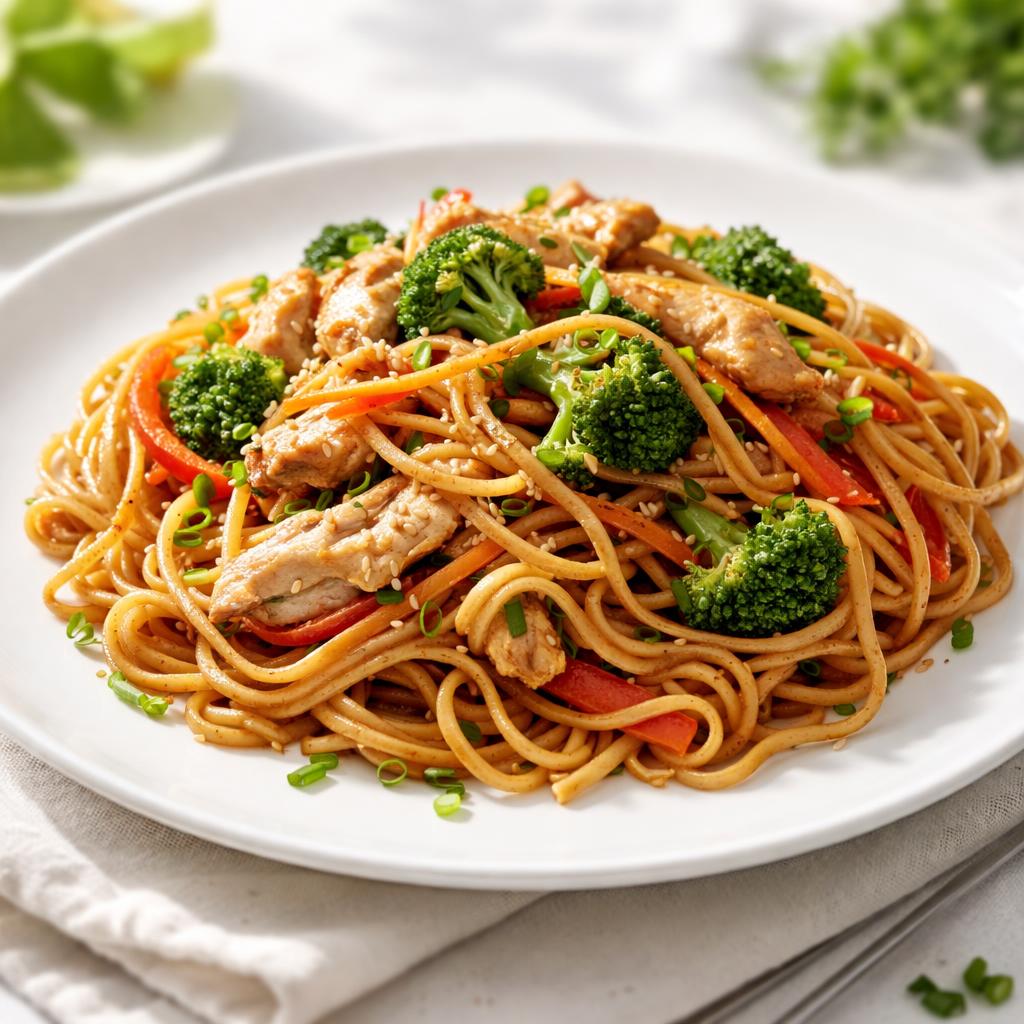
Noodles
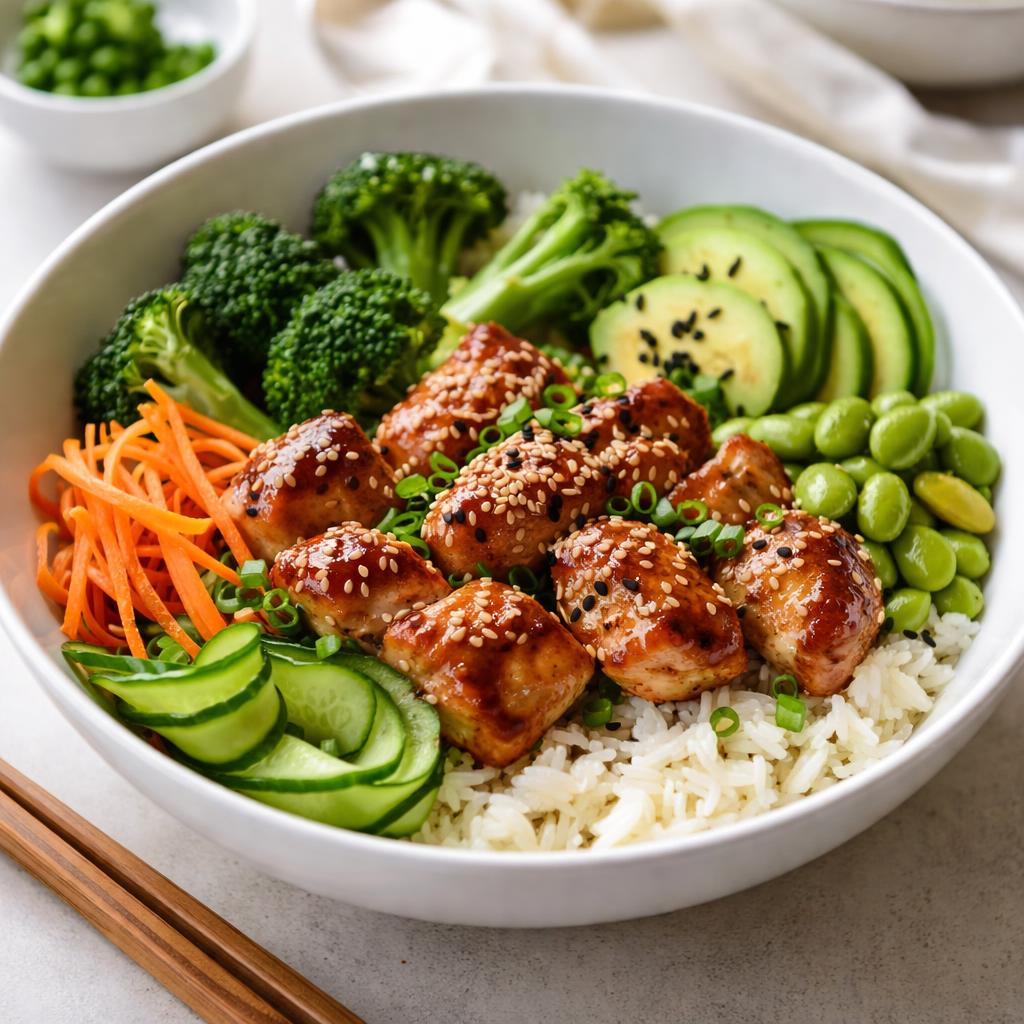
Rice Bowl
🎯 Quick Verdict
Rice bowls generally have fewer calories and more fiber compared to noodles, making them a better option for weight management and digestion. Noodles are slightly higher in carbohydrates, offering quick energy, and both foods contain comparable protein levels. Both are versatile staples, but rice bowls are generally more nutrient-dense for overall health benefits.

Smart Nutrition Tracking with SnapCalorie

📊 Nutritional Comparison
Macronutrients
| Nutrient | Food 1 | Food 2 | Winner |
|---|---|---|---|
| Calories | 220 per serving | 190 per serving | ✓ |
| Protein | 5g | 5g | − |
| Carbs | 40g | 35g | ✓ |
| Fat | 2g | 1g | ✓ |
| Fiber | 1g | 2g | ✓ |
Vitamins & Minerals
| Nutrient | Food 1 | Food 2 | Winner |
|---|---|---|---|
| Vitamin B6 | 0.1mg | 0.2mg | ✓ |
| Magnesium | 12mg | 20mg | ✓ |
| Potassium | 70mg | 150mg | ✓ |
🏆 Category Winners
Protein
Both provide equal protein amounts per serving (5g).
Fiber
Rice bowls contain double the fiber compared to noodles.
Calories
Rice bowls have 30 fewer calories per serving.
Vitamins
Rice bowls offer higher levels of Vitamin B6, Magnesium, and Potassium.
🥗 Diet Compatibility
Keto
Food 1: Not Compatible
Food 2: Not Compatible
Both are high in carbohydrates and not suitable for keto diets.
Vegan
Food 1: Compatible
Food 2: Compatible
Noodles and rice bowls are plant-based and vegan-friendly.
Gluten Free
Food 1: Not Compatible
Food 2: Compatible
Most noodles contain gluten, while rice bowls are naturally gluten-free.
Paleo
Food 1: Not Compatible
Food 2: Compatible
Rice bowls align with paleo principles better as they avoid processed grains.
Low Carb
Food 1: Not Compatible
Food 2: Not Compatible
Both noodles and rice bowls are moderately high in carbohydrates, making them unsuitable for low-carb diets.
💪 Health Benefits Comparison
Food 1 Benefits
- Provides quick energy due to higher carbohydrate content
- Easy to digest and suitable for sensitive stomachs
- Adaptable to various cuisines and flavors
Food 2 Benefits
- Higher in fiber for improved digestion
- Contains more essential minerals like potassium and magnesium
- Lower in calories, aiding in weight management
✅ The Bottom Line
Rice bowls are the better choice for those focusing on weight control, nutrient density, and digestive health, while noodles are a good option for quick energy boosts and versatility in meals. Both can work well depending on dietary goals and preferences.
Choose Food 1 for: Quick energy, adaptable cuisines, lighter meals
Choose Food 2 for: Weight management, digestion, mineral intake


