Noodles VS Plain Rice
A detailed nutritional comparison
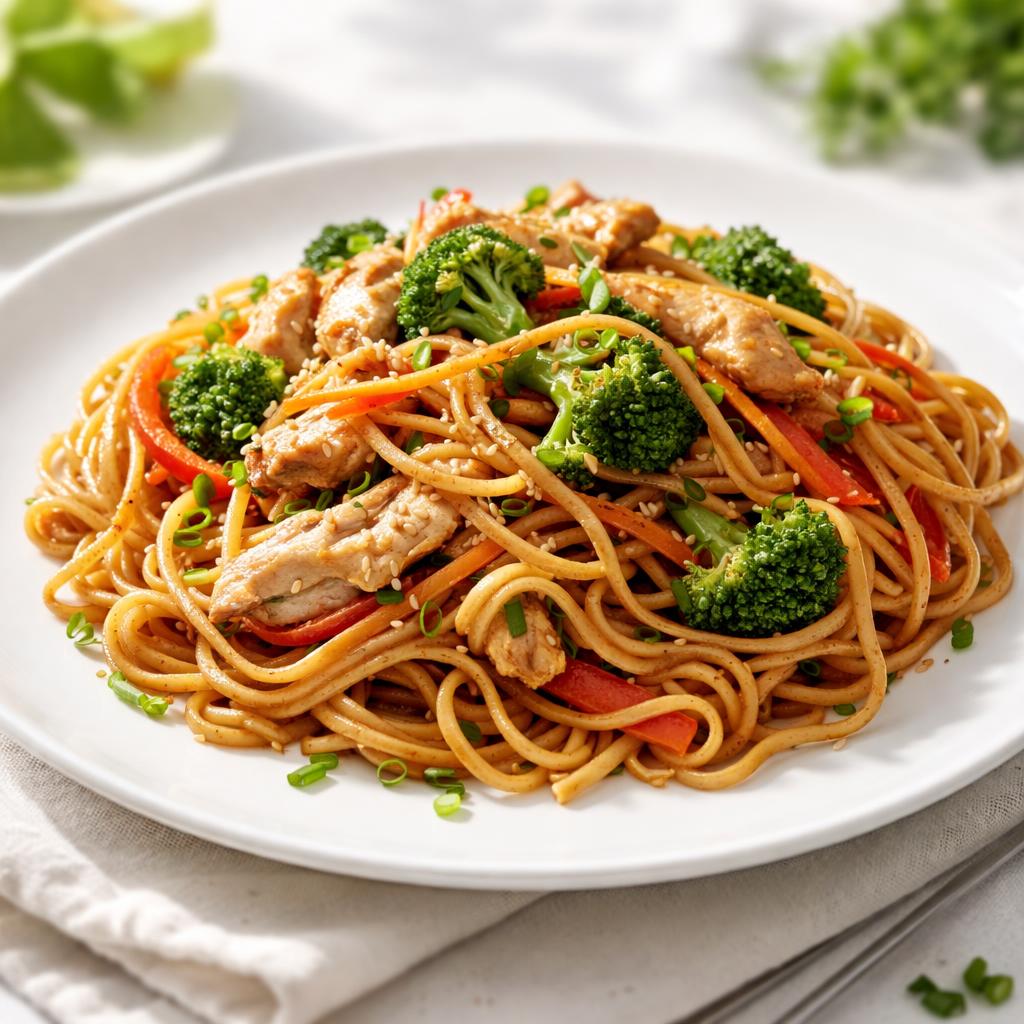
Noodles
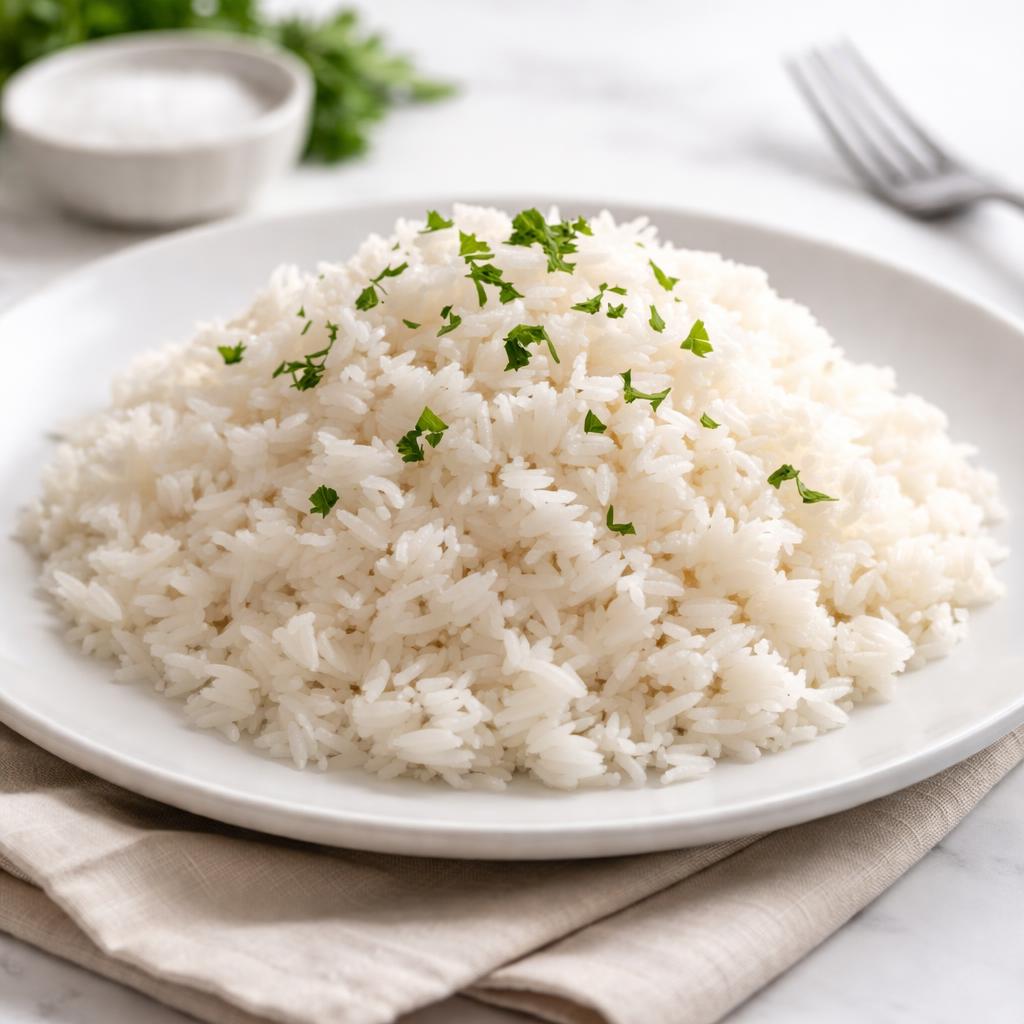
Plain Rice
🎯 Quick Verdict
Noodles and plain rice both offer useful nutritional profiles depending on dietary needs. Noodles have slightly more protein and fiber, making them suitable for active individuals or those seeking satiety. Rice, however, is lower in calories and simpler to digest, ideal for lightweight meals and energy optimization. Choose based on your goals—whether you want higher protein or lighter calories per serving.

Smart Nutrition Tracking with SnapCalorie

📊 Nutritional Comparison
Macronutrients
| Nutrient | Food 1 | Food 2 | Winner |
|---|---|---|---|
| Calories | 190 (per 1 cup cooked) | 160 (per 1 cup cooked) | ✓ |
| Protein | 7g | 3g | ✓ |
| Carbs | 38g | 35g | ✓ |
| Fat | 1g | 0g | ✓ |
| Fiber | 2g | 0g | ✓ |
Vitamins & Minerals
| Nutrient | Food 1 | Food 2 | Winner |
|---|---|---|---|
| Vitamin B6 | 0.1mg | 0.05mg | ✓ |
| Iron | 1.5mg | 0.2mg | ✓ |
| Magnesium | 23mg | 12mg | ✓ |
| Calcium | 15mg | 10mg | ✓ |
🏆 Category Winners
Protein
Noodles have 133% more protein per serving compared to plain rice.
Fiber
Noodles have 2g of fiber, while rice contains negligible fiber.
Calories
Plain rice has 30 fewer calories per serving.
Vitamins
Noodles offer higher amounts of key vitamins and minerals like iron and magnesium.
🥗 Diet Compatibility
Keto
Food 1: Not Compatible
Food 2: Not Compatible
Both are high in carbohydrates.
Vegan
Food 1: Compatible
Food 2: Compatible
Both foods are plant-based.
Gluten Free
Food 1: Not Compatible
Food 2: Compatible
Rice is naturally gluten-free, while noodles often contain wheat unless specified gluten-free.
Paleo
Food 1: Not Compatible
Food 2: Compatible
Rice is allowed on some paleo diets, but noodles are not due to grain processing.
Low-Carb
Food 1: Not Compatible
Food 2: Not Compatible
Both foods are moderately high in carbs and not suitable for low-carb diets.
💪 Health Benefits Comparison
Food 1 Benefits
- Higher in protein to support muscle repair and growth.
- Provides fiber for better digestion and satiety.
- Contains more minerals like iron and magnesium.
Food 2 Benefits
- Lower in calories for portion control and weight management.
- Easier to digest, making it suitable for sensitive stomachs.
- Naturally gluten-free, ideal for individuals with gluten intolerance.
✅ The Bottom Line
While noodles are higher in protein, fiber, and minerals, plain rice is lower in calories and simpler to digest. Choose noodles if you need more nutrients and satiety, or go for rice if you prefer a lighter meal or follow a gluten-free or paleo diet.
Choose Food 1 for: Active individuals, high-protein diets, improving digestion.
Choose Food 2 for: Weight control, gluten-free diets, sensitive digestion.


