Noodles VS Cilantro Rice
A detailed nutritional comparison
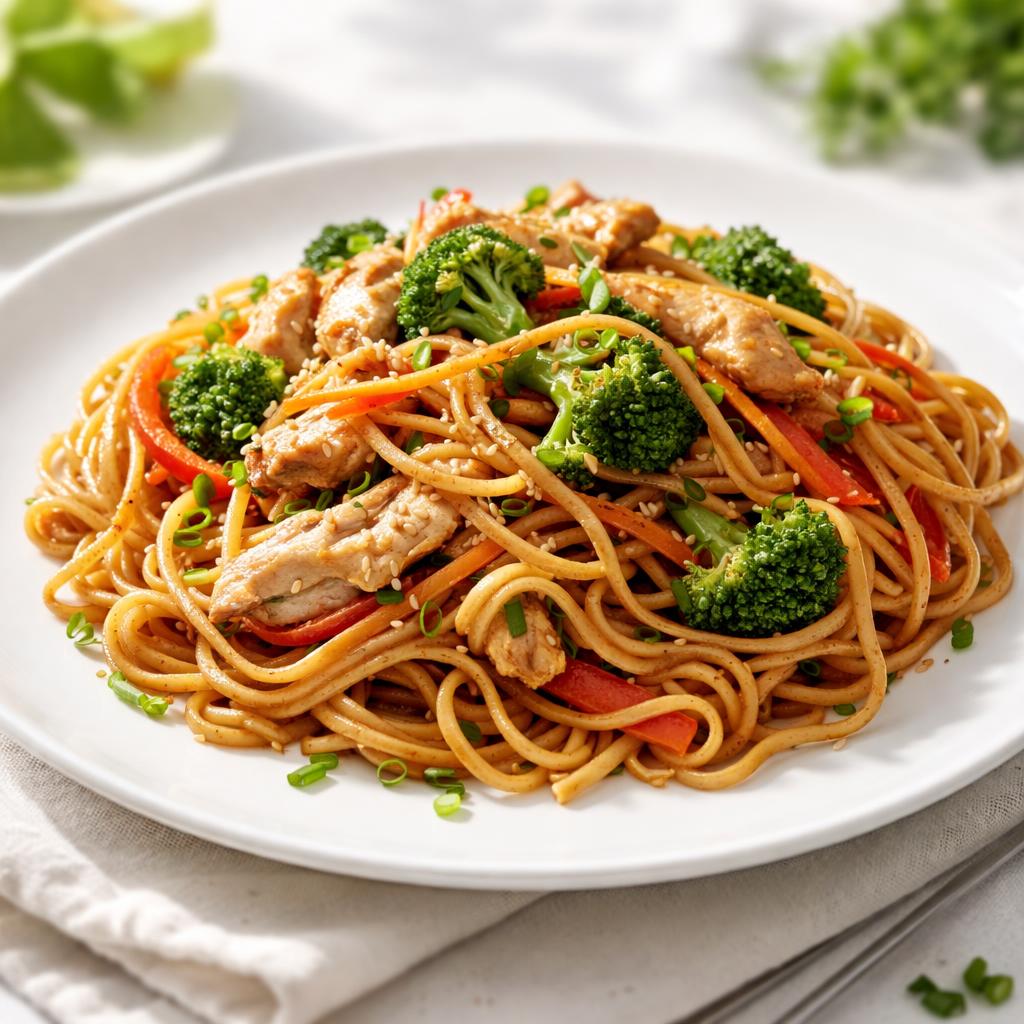
Noodles
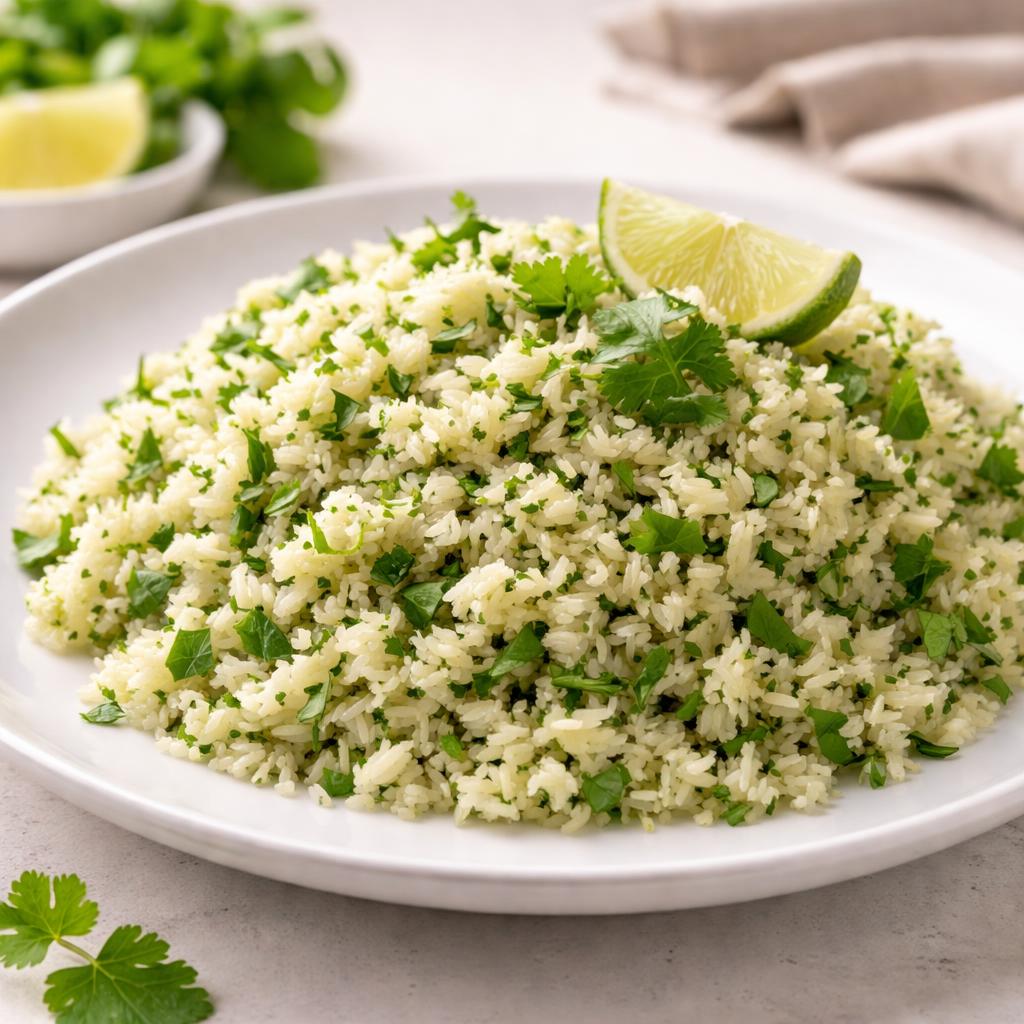
Cilantro Rice
🎯 Quick Verdict
Cilantro rice generally outperforms noodles nutritionally, offering more protein, fiber, and fewer calories per serving. Noodles are higher in carbohydrates and can be a quick energy source, but cilantro rice is more nutrient-dense and potentially better for weight management or balanced eating plans.

Smart Nutrition Tracking with SnapCalorie

📊 Nutritional Comparison
Macronutrients
| Nutrient | Food 1 | Food 2 | Winner |
|---|---|---|---|
| Calories | 190 | 140 | ✓ |
| Protein | 4g | 5g | ✓ |
| Carbs | 37g | 30g | ✓ |
| Fat | 2g | 3g | ✓ |
| Fiber | 1g | 2g | ✓ |
Vitamins & Minerals
| Nutrient | Food 1 | Food 2 | Winner |
|---|---|---|---|
| Vitamin C | 1mg | 3mg | ✓ |
| Vitamin A | 0mcg | 52mcg | ✓ |
| Iron | 1mg | 1.5mg | ✓ |
🏆 Category Winners
Protein
Cilantro rice edges ahead in protein with 25% more per serving.
Fiber
With double the fiber of noodles, cilantro rice promotes better digestion.
Calories
Cilantro rice has approximately 25% fewer calories per serving.
Vitamins
Cilantro rice provides more vitamin C, vitamin A, and iron, making it more nutrient-dense overall.
🥗 Diet Compatibility
Keto
Food 1: Not Compatible
Food 2: Not Compatible
Both are high in carbohydrates and unsuitable for keto diets.
Vegan
Food 1: Compatible
Food 2: Compatible
Both are plant-based and suitable for vegan diets.
Gluten Free
Food 1: Not Compatible
Food 2: Compatible
Noodles typically contain gluten, whereas cilantro rice does not.
Paleo
Food 1: Not Compatible
Food 2: Compatible
Cilantro rice aligns with paleo principles; noodles do not.
Low-Carb
Food 1: Not Compatible
Food 2: Not Compatible
Both are relatively high in carbohydrates.
💪 Health Benefits Comparison
Food 1 Benefits
- Quick energy source with high carbs
- Low in fats for calorie control
- Versatile base for meals
Food 2 Benefits
- Excellent source of vitamins A and C for immune health
- Higher fiber content supports digestion
- Lower calorie option for weight management
✅ The Bottom Line
Cilantro rice generally offers a more balanced nutrient profile, making it a better pick for weight-conscious or digestion-focused individuals. Noodles, with their higher carbohydrate content, are ideal for those needing quick energy during intense physical activity or as a comfort food.
Choose Food 1 for: Quick energy, customizable meals, comfort food
Choose Food 2 for: Weight management, balanced eating, improved digestion


