Milk VS Yogurt
A detailed nutritional comparison
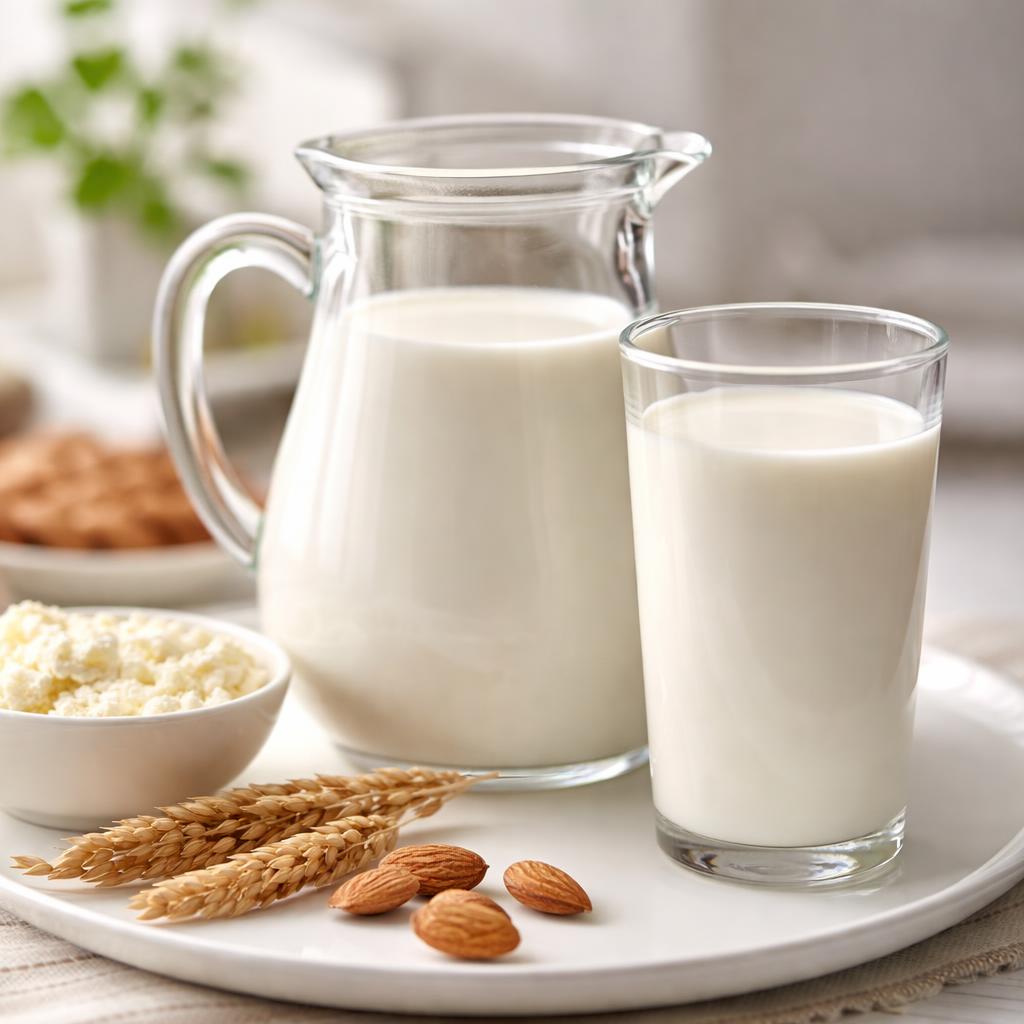
Milk

Yogurt
🎯 Quick Verdict
Milk and yogurt share similar nutritional profiles but differ in certain key aspects. Milk is lower in calories and higher in protein, making it ideal for post-workout recovery or high-protein diets. Yogurt stands out for its probiotic content and higher fiber, benefitting gut health and digestion. Both are rich in calcium and versatile in use cases.

Smart Nutrition Tracking with SnapCalorie

📊 Nutritional Comparison
Macronutrients
| Nutrient | Food 1 | Food 2 | Winner |
|---|---|---|---|
| Calories | 103 per 1 cup (245g) | 149 per 1 cup (245g) | − |
| Protein | 8g per cup | 6g per cup | − |
| Carbs | 12g per cup | 14g per cup | − |
| Fat | 2.4g per cup (low-fat milk) | 3.8g per cup (low-fat yogurt) | − |
| Fiber | 0g per cup | 0.5g per cup | − |
Vitamins & Minerals
| Nutrient | Food 1 | Food 2 | Winner |
|---|---|---|---|
| Vitamin D | 2.9mcg | 1.4mcg | − |
| Calcium | 305mg per cup | 240mg per cup | − |
| Potassium | 366mg per cup | 573mg per cup | − |
🏆 Category Winners
Protein
Milk contains 33% more protein per serving than yogurt, making it preferable for muscle-building needs.
Fiber
Yogurt has a small amount of fiber (0.5g per cup), which milk lacks.
Calories
Milk contains 31% fewer calories compared to yogurt.
Vitamins
Milk provides higher levels of Vitamin D and calcium per serving compared to yogurt.
🥗 Diet Compatibility
Keto
Food 1: Not Compatible
Food 2: Not Compatible
Both are moderately high in carbs (12-14g per serving) and not ideal for keto diets.
Vegan
Food 1: Not Compatible
Food 2: Not Compatible
Neither is plant-based.
Gluten Free
Food 1: Compatible
Food 2: Compatible
Both are naturally gluten-free.
Paleo
Food 1: May Be Compatible
Food 2: May Be Compatible
Unsweetened, unprocessed versions align better with paleo principles.
Low Carb
Food 1: Not Suitable
Food 2: Not Suitable
Both contain relatively moderate carbohydrates (12-14g per serving).
💪 Health Benefits Comparison
Food 1 Benefits
- Excellent source of protein for muscle growth and repair
- Rich in calcium for strong bones and teeth
- Provides Vitamin D for immune support and bone health
Food 2 Benefits
- Contains live probiotics to support gut health
- Good source of potassium for maintaining healthy blood pressure
- Contains moderate levels of healthy fats for heart health
✅ The Bottom Line
Overall, milk and yogurt both offer valuable nutritional benefits but suit different dietary needs. Milk is ideal for those focusing on lower calories and higher protein intake, while yogurt is a better choice for digestion and heart health due to probiotics and potassium. Choose based on your health goals.
Choose Food 1 for: Post-workout recovery, high-protein diets, calcium needs
Choose Food 2 for: Gut health, heart-friendly nutrition, snack or breakfast options


