Milk VS Turkey Burger
A detailed nutritional comparison
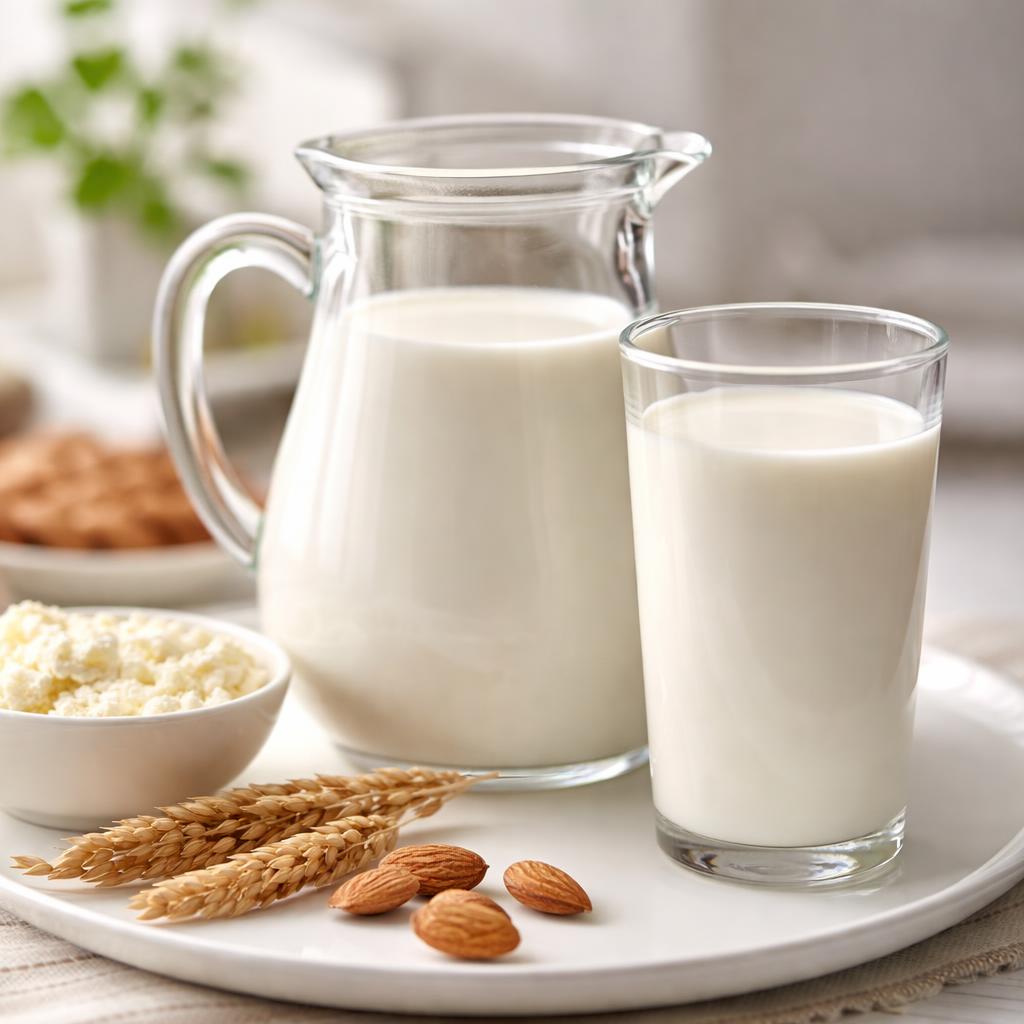
Milk
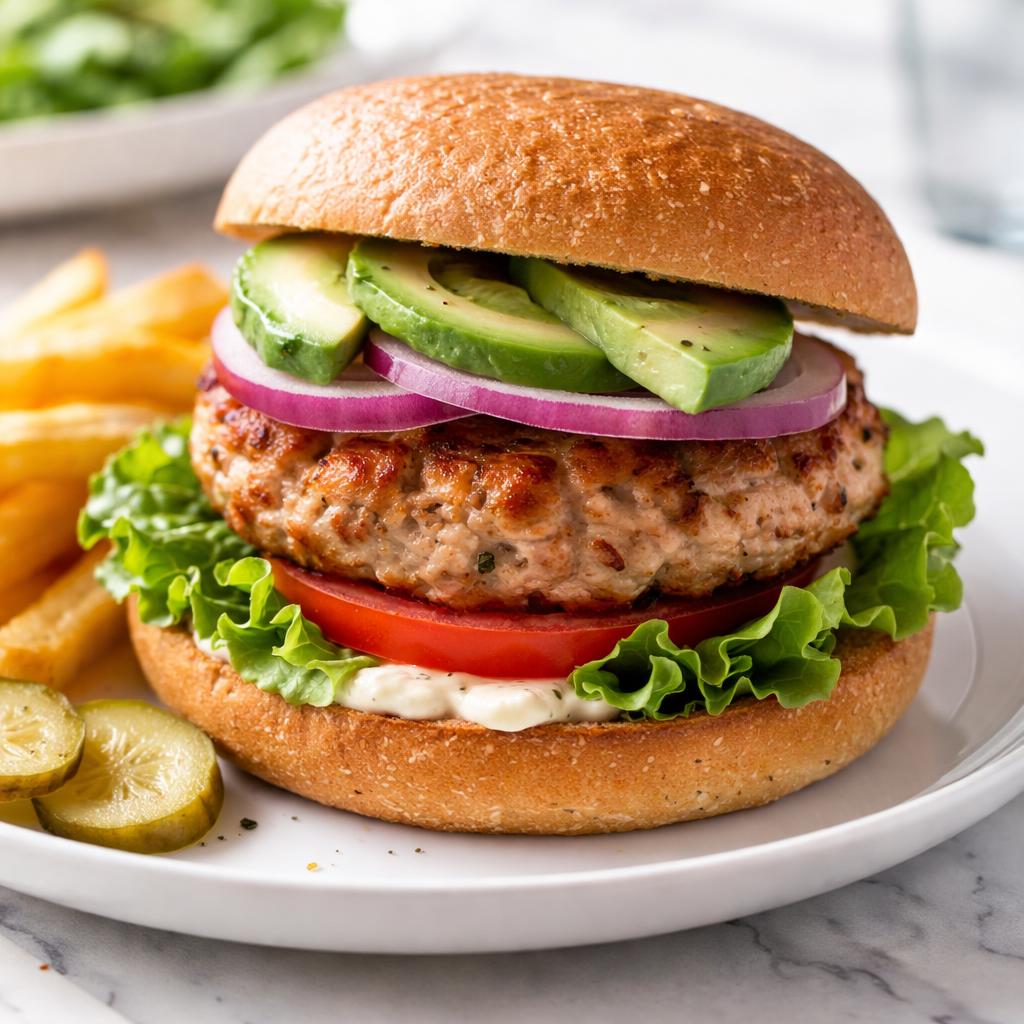
Turkey Burger
🎯 Quick Verdict
Turkey burger (food2) is higher in protein and provides more overall nutrients compared to milk (food1), making it a great choice for muscle building and nutrient density. Milk, while lower in calories, provides calcium and vitamin D, making it ideal for bone health and hydration post-workout. The choice depends on your dietary goals and use case.

Smart Nutrition Tracking with SnapCalorie

📊 Nutritional Comparison
Macronutrients
| Nutrient | Food 1 | Food 2 | Winner |
|---|---|---|---|
| Calories | 103 (per 1 cup, 2% milk) | 193 (per 3 oz cooked turkey burger) | ✓ |
| Protein | 8g | 22g | ✓ |
| Carbs | 12g | 0g | ✓ |
| Fat | 2.4g | 11g | ✓ |
| Fiber | 0g | 0g | − |
Vitamins & Minerals
| Nutrient | Food 1 | Food 2 | Winner |
|---|---|---|---|
| Vitamin D | 2.9mcg | 0mcg | ✓ |
| Calcium | 309mg | 15mg | ✓ |
| Iron | 0mg | 1.7mg | ✓ |
🏆 Category Winners
Protein
Turkey burger provides nearly 3x the protein content of milk, making it ideal for muscle building.
Fiber
Neither milk nor turkey burger contains dietary fiber.
Calories
Milk contains nearly 50% fewer calories per serving compared to a cooked turkey burger.
Vitamins
Milk is rich in vitamin D and calcium, promoting bone health.
🥗 Diet Compatibility
Keto
Food 1: Not Compatible
Food 2: Compatible
Turkey burger is low-carb (0g carbs). Milk contains 12g of carbs.
Vegan
Food 1: Not Compatible
Food 2: Not Compatible
Both foods are animal-based products and not suitable for vegans.
Gluten Free
Food 1: Compatible
Food 2: Compatible
Neither milk nor turkey burger contains gluten.
Paleo
Food 1: Not Compatible
Food 2: Compatible
Turkey burger is suitable for paleo diets, while milk is excluded due to dairy restrictions.
Low Carb
Food 1: Not Compatible
Food 2: Compatible
Turkey burger qualifies as a low-carb option (0g carbs). Milk is moderately high in carbs (12g).
💪 Health Benefits Comparison
Food 1 Benefits
- Rich in calcium to support bone health
- Provides vitamin D for immune function and bone strength
- Good source of high-quality protein for muscle repair
- Hydrates due to its liquid form
Food 2 Benefits
- High in protein for muscle building and maintenance
- Contains iron for red blood cell production
- Provides healthy fats for energy and satiety
- Free of carbohydrates, suitable for low-carb diets
✅ The Bottom Line
Milk is a low-calorie, nutrient-rich beverage ideal for bone health and quick hydration, especially post-workout. Turkey burger is a high-protein, satiating option that supports muscle growth, making it better for those seeking to build muscle and follow low-carb diets.
Choose Food 1 for: Bone health, hydration, low-calorie diets
Choose Food 2 for: Muscle building, low-carb and keto diets, satiation


