Milk VS Slice Of Cake
A detailed nutritional comparison
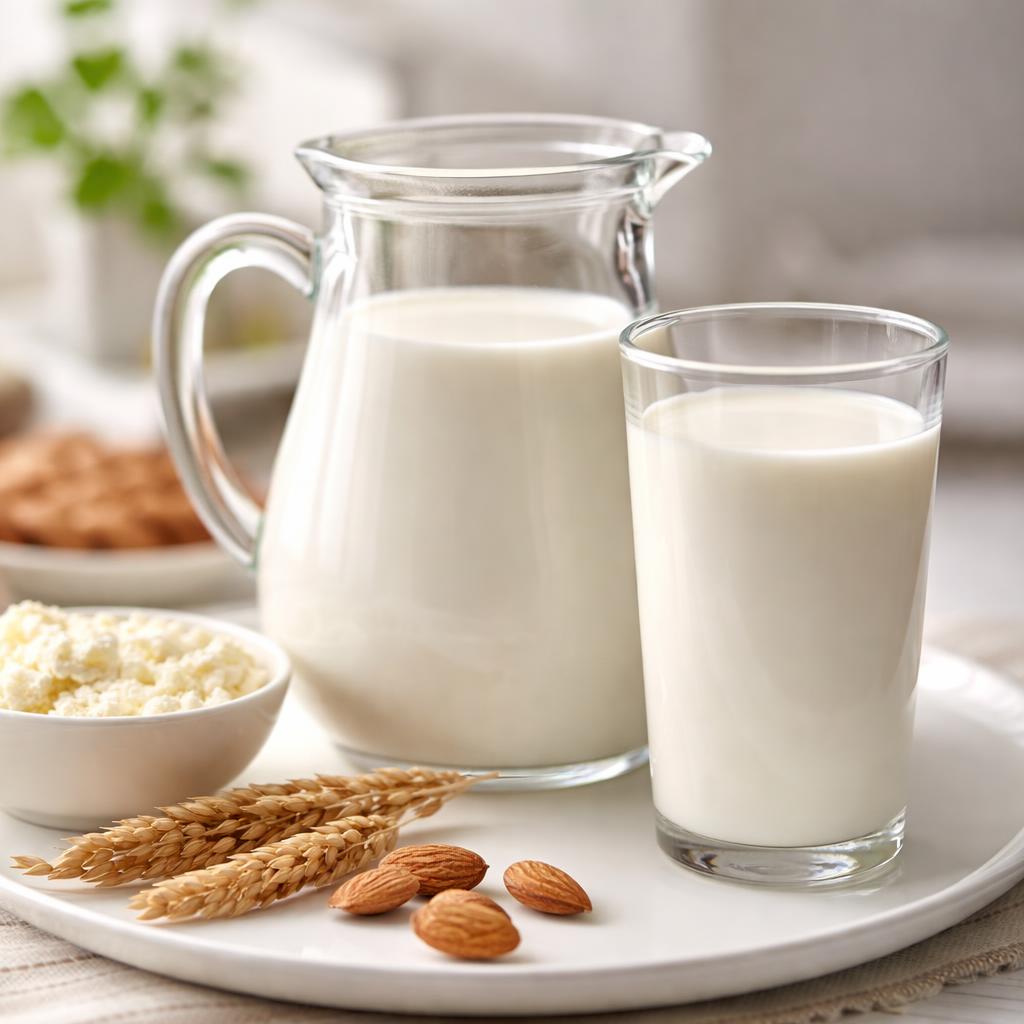
Milk

Slice Of Cake
🎯 Quick Verdict
Milk is significantly lower in calories but richer in protein and calcium, ideal for muscle maintenance and bone health. A slice of cake is higher in carbs, fat, and fiber, making it more energy-dense but less nutrient-focused. Choose milk for fitness goals or nutrient intake and cake for occasional indulgence or energy boosts.

Smart Nutrition Tracking with SnapCalorie

📊 Nutritional Comparison
Macronutrients
| Nutrient | Food 1 | Food 2 | Winner |
|---|---|---|---|
| Calories | 100 (per 1 cup) | 350 (per slice) | ✓ |
| Protein | 8g | 3g | ✓ |
| Carbs | 12g | 50g | ✓ |
| Fat | 2.5g | 15g | ✓ |
| Fiber | 0g | 2g | ✓ |
Vitamins & Minerals
| Nutrient | Food 1 | Food 2 | Winner |
|---|---|---|---|
| Vitamin D | 2mcg | 0mcg | ✓ |
| Calcium | 300mg | 20mg | ✓ |
| Iron | 0mg | 1mg | ✓ |
🏆 Category Winners
Protein
Milk has more than double the protein per serving, supporting muscle development.
Fiber
Cake contains 2g of fiber, while milk has none.
Calories
Milk has substantially fewer calories, suitable for calorie-controlled diets.
Vitamins
Milk offers significantly higher levels of calcium and vitamin D.
🥗 Diet Compatibility
Keto
Food 1: Not Compatible
Food 2: Not Compatible
Both are high in carbs, making them unsuitable for keto diets.
Vegan
Food 1: Not Compatible
Food 2: Compatible
Milk is an animal product, while cake can be vegan depending on the recipe.
Gluten Free
Food 1: Compatible
Food 2: Not Compatible
Milk is naturally gluten-free; cake usually contains wheat flour unless specified otherwise.
Paleo
Food 1: Not Compatible
Food 2: Not Compatible
Milk and cake are not paleo-friendly due to processing and ingredients.
Low-Carb
Food 1: Not Compatible
Food 2: Not Compatible
Both are relatively high in carbs per serving.
💪 Health Benefits Comparison
Food 1 Benefits
- Rich in protein for muscle maintenance and repair
- Good source of calcium for bone health
- Contains vitamin D to support immune function and mineral absorption
Food 2 Benefits
- Provides quick energy from carbs and fats
- Contains fiber to support digestion
- May contain antioxidants if made with dark chocolate or fruit
✅ The Bottom Line
Milk is a nutrient-rich, lower-calorie option that provides essential vitamins and minerals, making it ideal for diets focusing on bone health, muscle growth, or weight loss. Cake, on the other hand, is energy-dense and suited for indulgence or quick energy needs but lacks significant nutritional value.
Choose Food 1 for: Post-workout recovery, bone health, weight management
Choose Food 2 for: Occasional dessert, energy boost, celebrations


