Milk VS Sausages
A detailed nutritional comparison
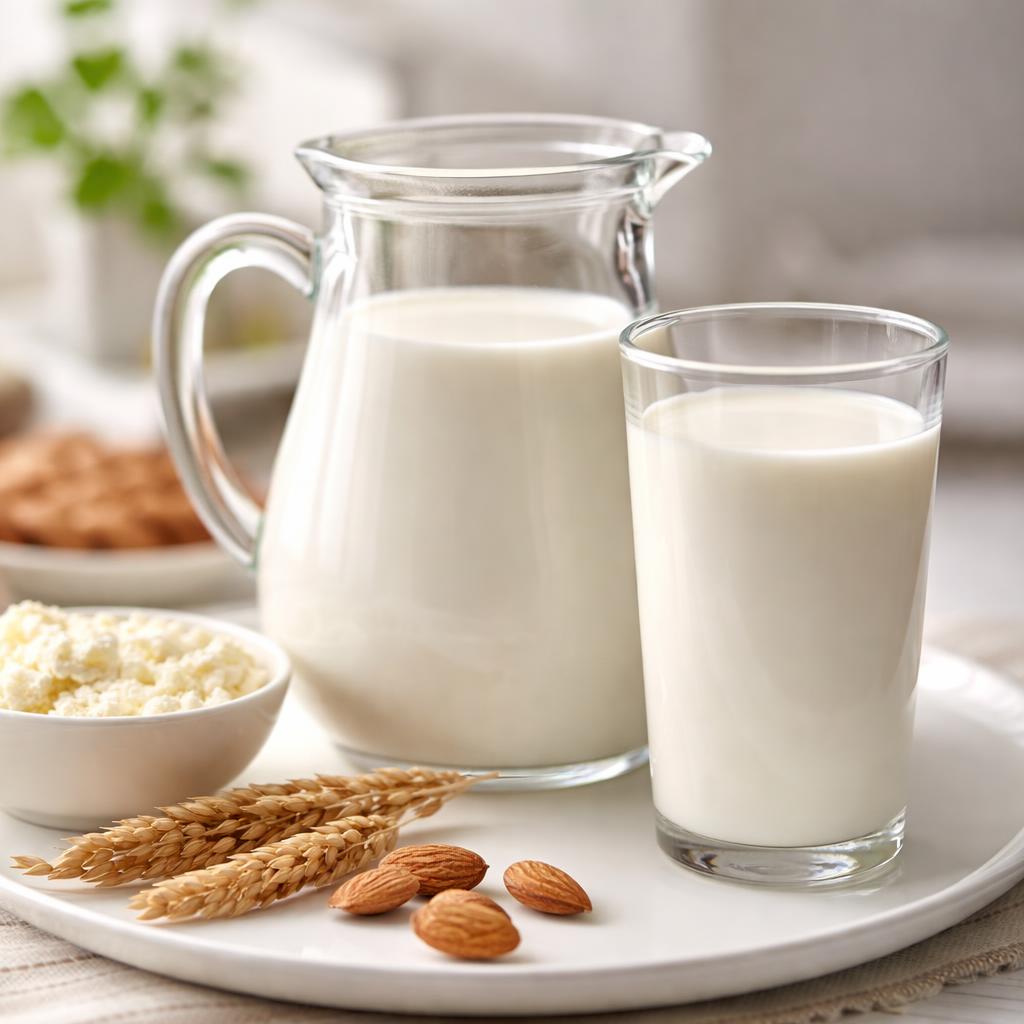
Milk
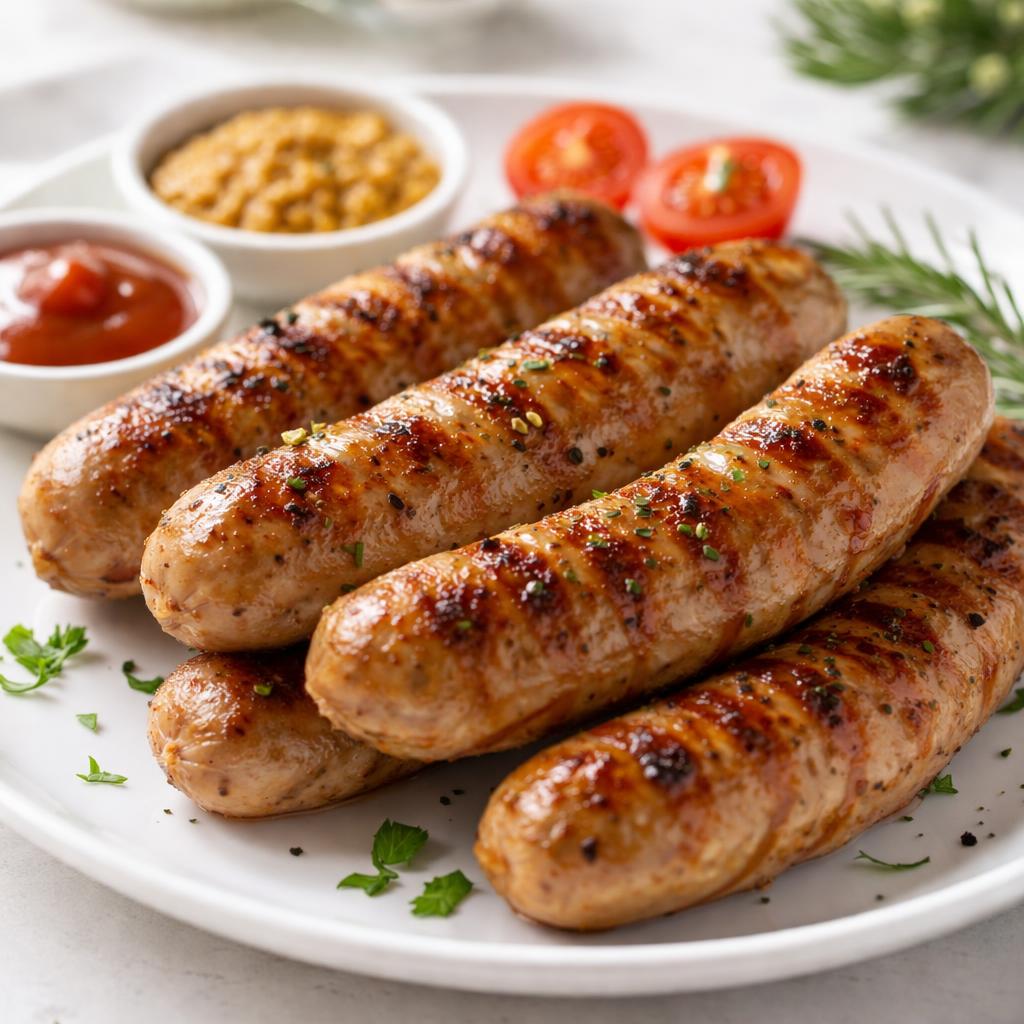
Sausages
🎯 Quick Verdict
Milk and sausages differ greatly in nutritional profiles. Milk is lower in calories and provides more protein while being rich in calcium and Vitamin D, making it ideal for bone health. Sausages are higher in fat and calories but are nutrient-dense in iron and provide sustained energy. Both foods serve different dietary purposes depending on health and lifestyle needs.

Smart Nutrition Tracking with SnapCalorie

📊 Nutritional Comparison
Macronutrients
| Nutrient | Food 1 | Food 2 | Winner |
|---|---|---|---|
| Calories | 103 (per cup) | 290 (per 100g) | ✓ |
| Protein | 8g (per cup) | 12g (per 100g) | ✓ |
| Carbs | 12g (per cup) | 2g (per 100g) | ✓ |
| Fat | 2.4g (per cup) | 24g (per 100g) | ✓ |
| Fiber | 0g | 0g | − |
Vitamins & Minerals
| Nutrient | Food 1 | Food 2 | Winner |
|---|---|---|---|
| Vitamin D | 2.9mcg | 0mcg | ✓ |
| Calcium | 309mg | 12mg | ✓ |
| Iron | 0.07mg | 0.9mg | ✓ |
🏆 Category Winners
Protein
Sausages provide 50% more protein per serving than milk.
Fiber
Neither food contains significant fiber.
Calories
Milk is significantly lower in calories per serving (103 vs 290).
Vitamins
Milk is a richer source of calcium and Vitamin D, supporting bone health.
🥗 Diet Compatibility
Keto
Food 1: Not Compatible
Food 2: Compatible
Sausages are low-carb, whereas milk has 12g of carbs per serving.
Vegan
Food 1: Not Compatible
Food 2: Not Compatible
Both are animal-based products.
Gluten Free
Food 1: Compatible
Food 2: Check Label
Milk is naturally gluten-free; sausages are generally gluten-free but may contain fillers.
Paleo
Food 1: Not Compatible
Food 2: Compatible
Milk is excluded in paleo diets, whereas sausages can fit if minimally processed.
Low Carb
Food 1: Not Compatible
Food 2: Compatible
Sausages contain minimal carbs, while milk has moderate carbs.
💪 Health Benefits Comparison
Food 1 Benefits
- Rich source of calcium and Vitamin D for bone health
- Provides high-quality protein for muscle maintenance
- Low in fat and calories, suitable for weight management
Food 2 Benefits
- Dense in protein for muscle repair and sustained satiety
- High-fat content provides long-lasting energy for active individuals
- Contains iron for oxygen transport and overall energy
✅ The Bottom Line
Milk is ideal for those seeking a low-calorie, nutrient-dense beverage for weight management and bone health. Sausages, while higher in fat and calories, are better suited for ketogenic and paleo diets or as a protein-rich option for active individuals seeking sustained energy.
Choose Food 1 for: Bone health, low-calorie diets, post-workout protein boost
Choose Food 2 for: Keto diets, paleo meal plans, high-energy dinners


