Milk VS Roti
A detailed nutritional comparison
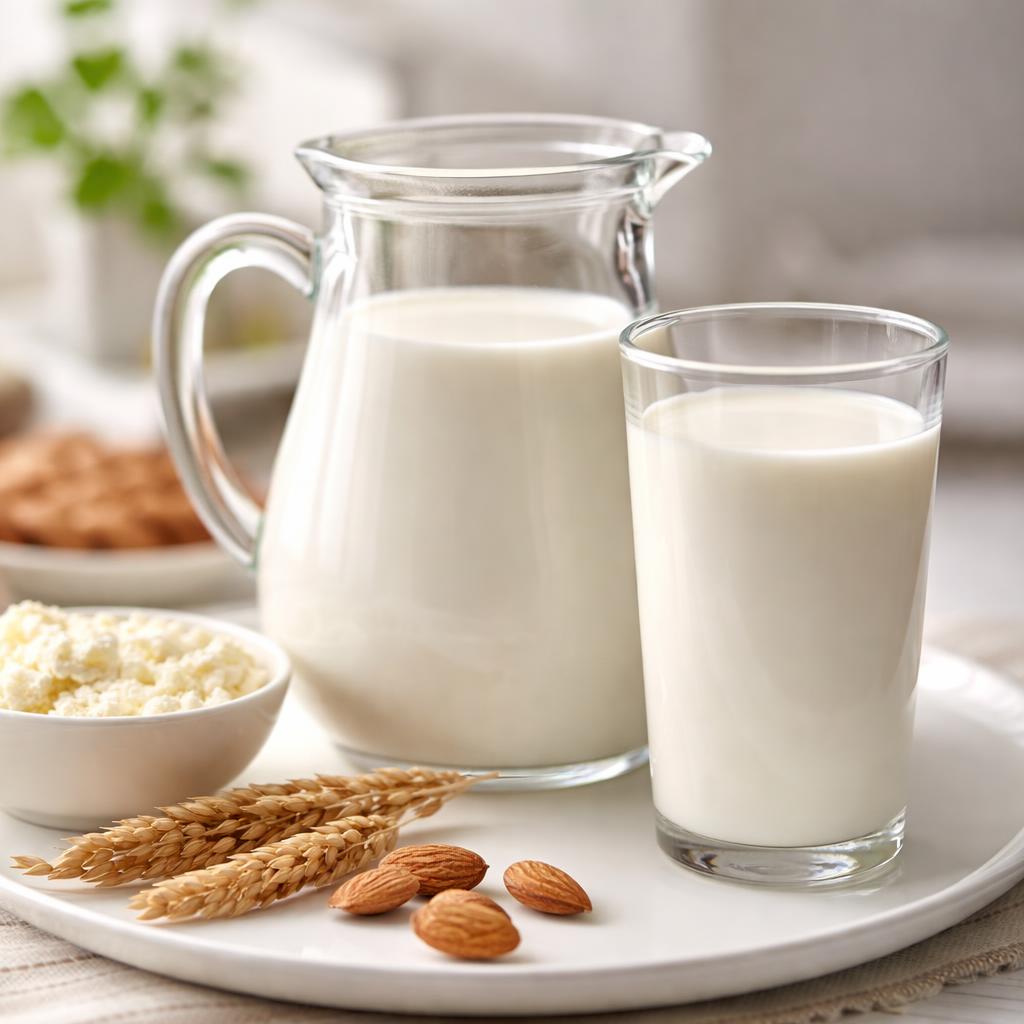
Milk
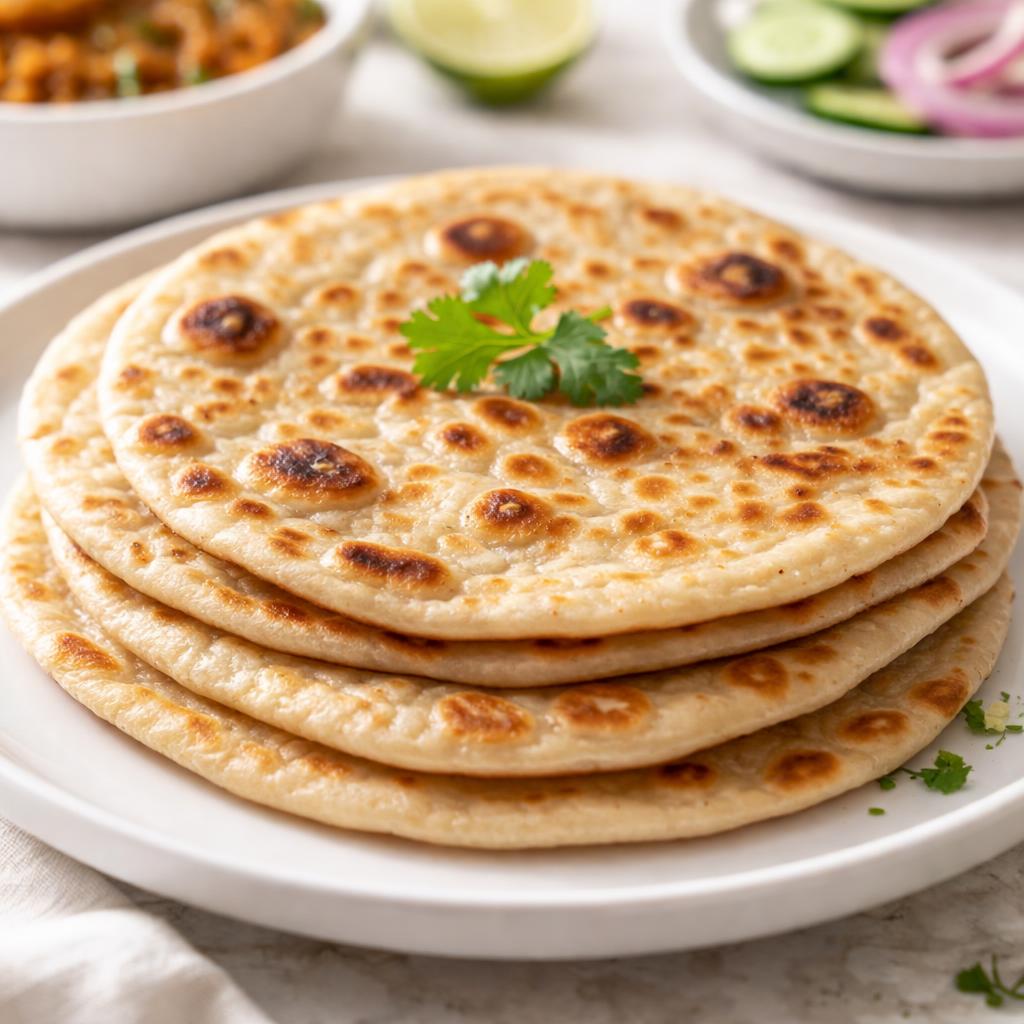
Roti
🎯 Quick Verdict
Milk is higher in protein and lower in calories compared to roti, making it a good choice for muscle maintenance and weight management. Roti, on the other hand, provides more fiber and carbohydrates, making it an excellent option for sustained energy and digestive health. Both have complementary nutritional benefits depending on dietary needs.

Smart Nutrition Tracking with SnapCalorie

📊 Nutritional Comparison
Macronutrients
| Nutrient | Food 1 | Food 2 | Winner |
|---|---|---|---|
| Calories | 103 (1 cup, 240ml) | 115 (1 medium roti, 50g) | ✓ |
| Protein | 8g | 3g | ✓ |
| Carbs | 12g | 23g | ✓ |
| Fat | 2.4g | 0.5g | ✓ |
| Fiber | 0g | 3g | ✓ |
Vitamins & Minerals
| Nutrient | Food 1 | Food 2 | Winner |
|---|---|---|---|
| Vitamin D | 2.3mcg | 0mcg | ✓ |
| Calcium | 305mg | 15mg | ✓ |
| Iron | 0.1mg | 1.2mg | ✓ |
🏆 Category Winners
Protein
Milk provides significantly more protein, making it ideal for building and repairing muscles.
Fiber
Roti contributes 3g of fiber, which is beneficial for digestion.
Calories
Milk has slightly fewer calories per serving compared to roti.
🥗 Diet Compatibility
Keto
Food 1: Not Compatible
Food 2: Not Compatible
Both are relatively high in carbs and not suitable for keto diets.
Vegan
Food 1: Not Compatible
Food 2: Compatible
Milk is an animal product, whereas roti is plant-based.
Gluten Free
Food 1: Compatible
Food 2: Not Compatible
Milk does not contain gluten, but traditional roti is made with wheat flour.
Paleo
Food 1: Not Compatible
Food 2: Not Compatible
Milk and wheat-based roti are excluded from paleo diets.
Low-Carb
Food 1: Not Compatible
Food 2: Not Compatible
Both foods exceed typical low-carb diet limits due to their carbohydrate content.
💪 Health Benefits Comparison
Food 1 Benefits
- Rich source of high-quality protein for muscle growth.
- Contains calcium for strong bones and teeth.
- Provides vitamin D, which supports immune health and bone density.
- Low in fat, beneficial for weight management.
Food 2 Benefits
- High in fiber, promoting digestive health.
- Provides sustained energy due to its complex carbohydrates.
- Contains iron, aiding in oxygen transport and preventing anemia.
- Low in fat, suitable for balanced diets.
✅ The Bottom Line
Milk is a nutrient-dense option that excels in protein and calcium, making it ideal for muscle maintenance, bone health, and post-workout recovery. Roti, with its higher fiber and carbohydrate content, is best suited for those seeking sustained energy and improved digestion. Both are excellent in their own ways but serve different dietary purposes.
Choose Food 1 for: Muscle maintenance, post-workout recovery, bone health
Choose Food 2 for: Sustained energy, digestive health, iron supplementation


