Milk VS Red Beans
A detailed nutritional comparison
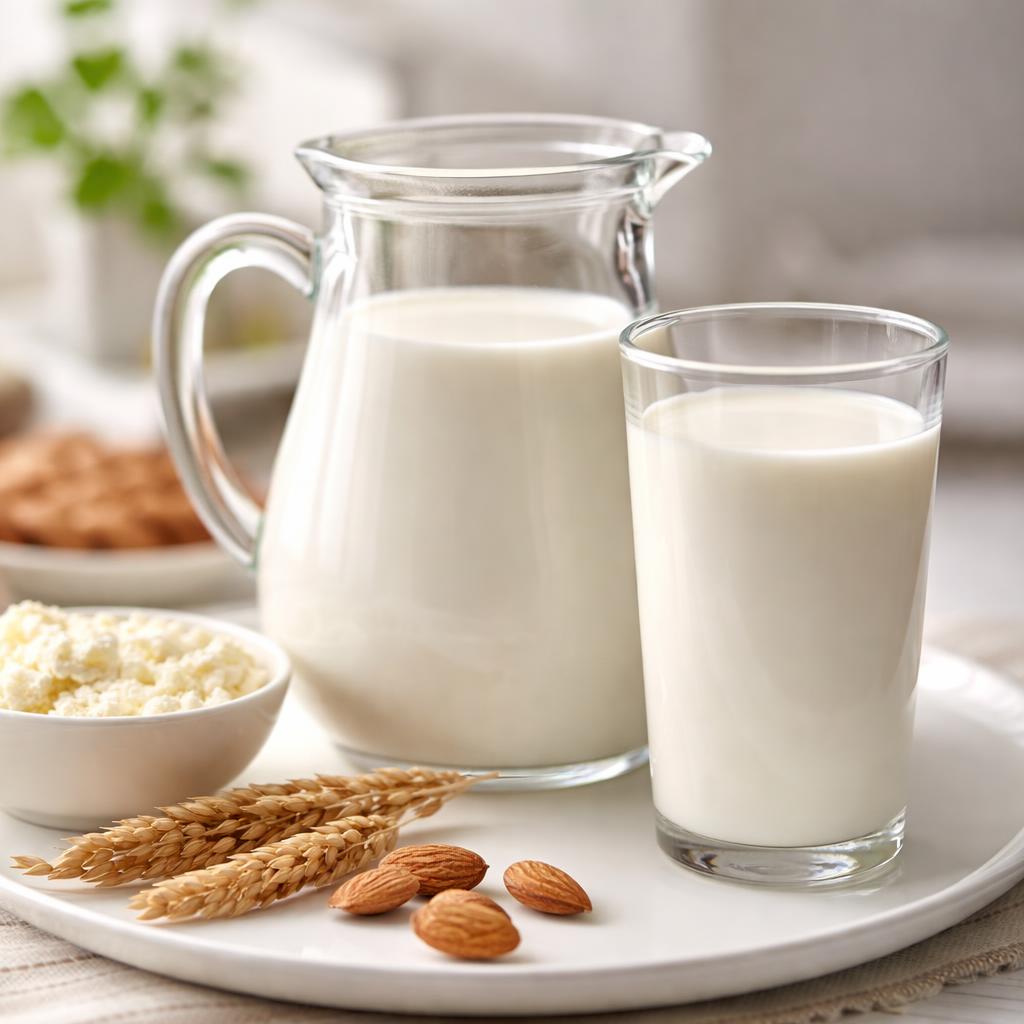
Milk
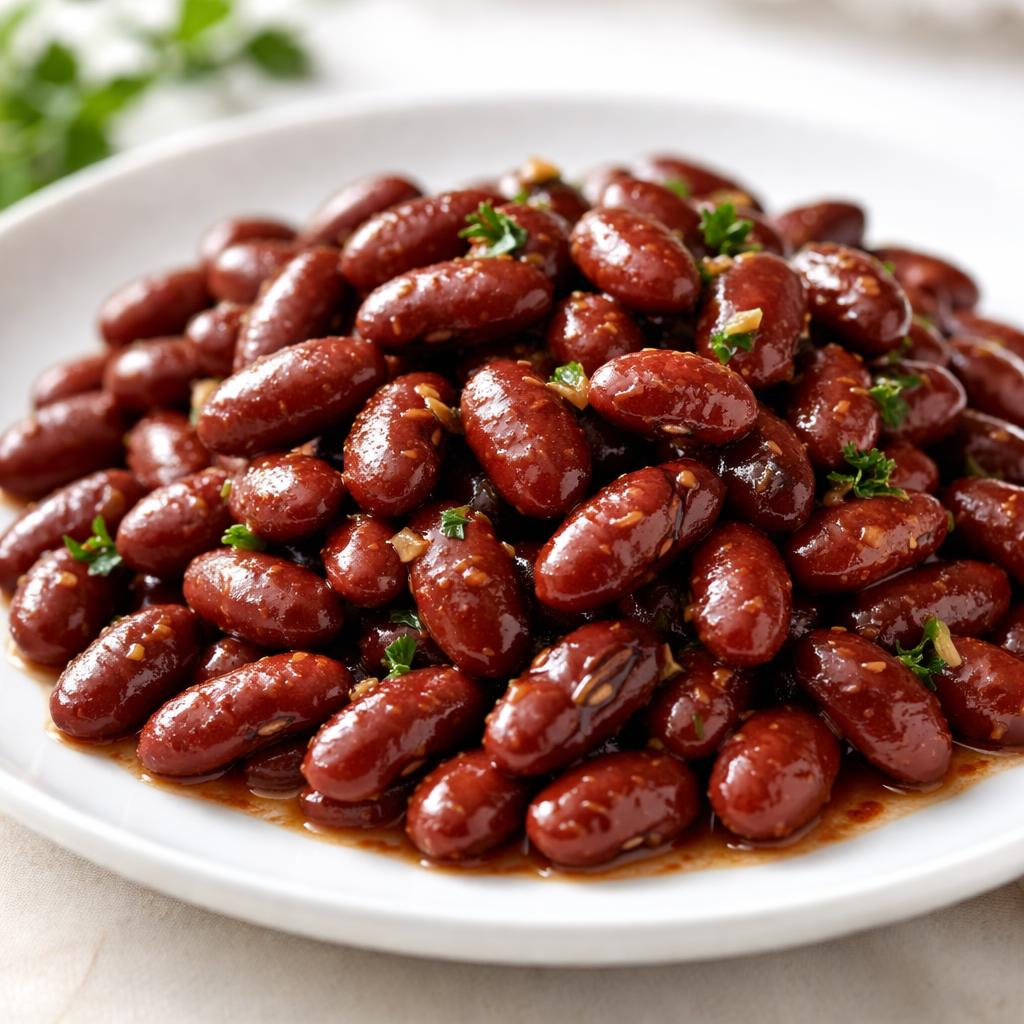
Red Beans
🎯 Quick Verdict
Milk is a great source of high-quality protein and calcium with fewer calories, making it ideal for muscle repair and daily bone health. On the other hand, red beans are rich in fiber and antioxidants, supporting gut health, heart health, and energy. Both foods have unique strengths depending on dietary needs and goals.

Smart Nutrition Tracking with SnapCalorie

📊 Nutritional Comparison
Macronutrients
| Nutrient | Food 1 | Food 2 | Winner |
|---|---|---|---|
| Calories | 103 (1 cup, 2% milk) | 218 (1 cup, boiled red beans) | − |
| Protein | 8g | 15g | − |
| Carbs | 12g | 40g | − |
| Fat | 2.4g | 0.6g | − |
| Fiber | 0g | 13g | − |
Vitamins & Minerals
| Nutrient | Food 1 | Food 2 | Winner |
|---|---|---|---|
| Vitamin D | 2.5mcg | 0mcg | − |
| Calcium | 305mg | 27mg | − |
| Iron | 0.1mg | 3.9mg | − |
| Potassium | 366mg | 407mg | − |
🏆 Category Winners
Protein
Milk delivers 8g of easily digestible, complete protein per cup.
Fiber
Red beans contain an impressive 13g of fiber per serving, promoting digestion.
Calories
Milk has significantly fewer calories at 103 per cup compared to red beans at 218 per cup.
Vitamins
Milk excels in calcium and Vitamin D whereas red beans are better for iron and potassium.
🥗 Diet Compatibility
Keto
Food 1: Not Compatible
Food 2: Not Compatible
Both have higher carbohydrate content than typical keto limits.
Vegan
Food 1: Not Compatible
Food 2: Compatible
Red beans are plant-based while milk is animal-derived.
Gluten Free
Food 1: Compatible
Food 2: Compatible
Neither food contains gluten.
Paleo
Food 1: Compatible
Food 2: Compatible
Milk is often accepted in modified Paleo diets; red beans can be included in certain Paleo variations.
Low-Carb
Food 1: Not Compatible
Food 2: Not Compatible
Both foods exceed the low-carb standard of <20g net carbs per serving.
💪 Health Benefits Comparison
Food 1 Benefits
- Excellent source of calcium for stronger bones and teeth
- Provides high-quality protein for muscle repair and growth
- Contains Vitamin D, supporting immune health and bone strength
Food 2 Benefits
- Rich in fiber, promoting better digestion and gut health
- Good source of iron, supporting oxygen transport in the body
- Packed with potassium for maintaining healthy blood pressure
✅ The Bottom Line
Milk is ideal for those seeking a lower-calorie option with high protein and calcium, great for bone health and post-workout recovery. Red beans are better suited for individuals seeking a fiber-rich, plant-based protein source that supports heart health and sustained energy levels.
Choose Food 1 for: Weight maintenance, bone health, muscle repair
Choose Food 2 for: Gut health, heart health, iron boost


