Milk VS Pumpkin Seeds
A detailed nutritional comparison
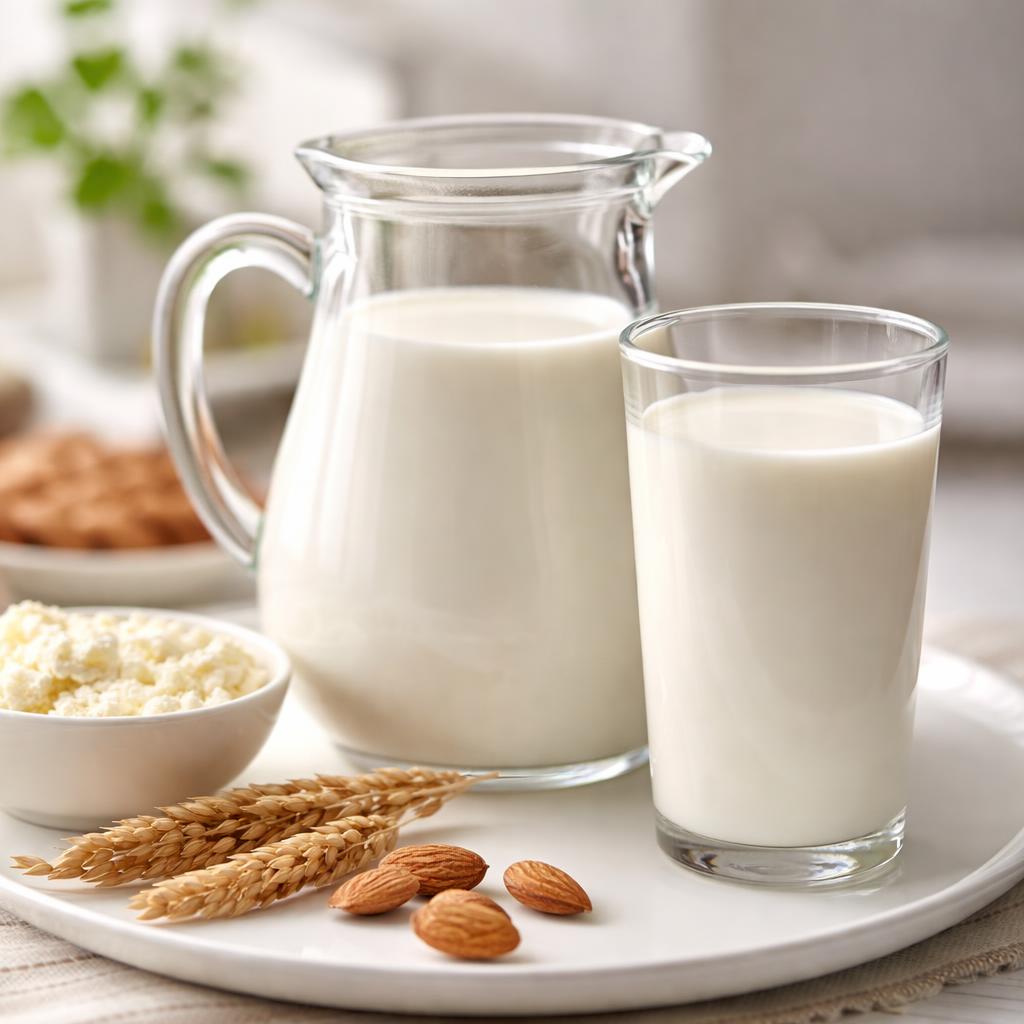
Milk
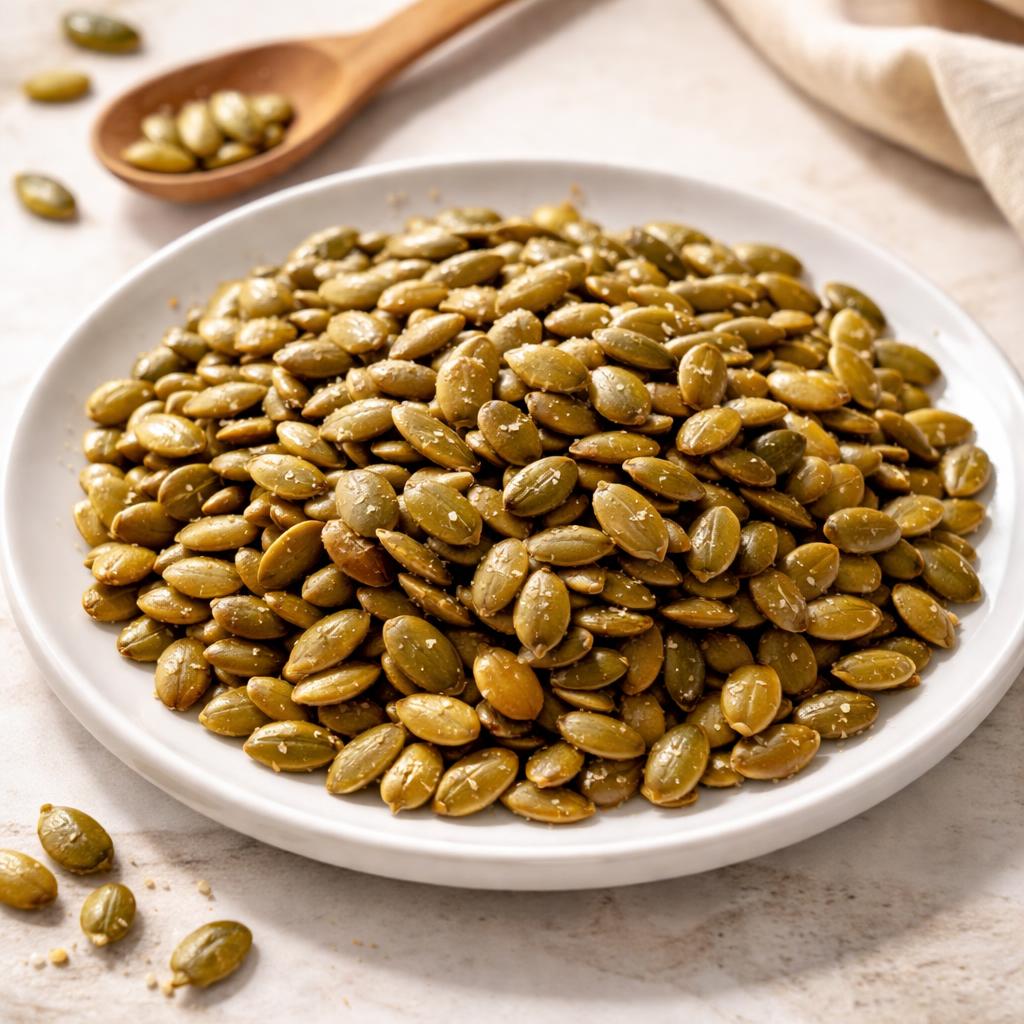
Pumpkin Seeds
🎯 Quick Verdict
Milk and pumpkin seeds differ significantly in their nutritional profiles. Milk is lower in calories, provides calcium, and is protein-rich, making it ideal for muscle repair and bone health. Pumpkin seeds, on the other hand, are high in protein, fiber, and healthy fats, making them a nutrient-dense snack for sustained energy and heart health.

Smart Nutrition Tracking with SnapCalorie

📊 Nutritional Comparison
Macronutrients
| Nutrient | Food 1 | Food 2 | Winner |
|---|---|---|---|
| Calories | 103 per cup (240ml) | 151 per ounce (28g) | ✓ |
| Protein | 8g per cup | 7g per ounce | ✓ |
| Carbs | 12g per cup | 5g per ounce | ✓ |
| Fat | 2.4g per cup | 13g per ounce | ✓ |
| Fiber | 0g | 1.1g per ounce | ✓ |
Vitamins & Minerals
| Nutrient | Food 1 | Food 2 | Winner |
|---|---|---|---|
| Vitamin D | 2.4mcg per cup | 0mcg | ✓ |
| Calcium | 300mg per cup | 14mg per ounce | ✓ |
| Iron | 0.1mg per cup | 4.2mg per ounce | ✓ |
| Magnesium | 24mg per cup | 150mg per ounce | ✓ |
🏆 Category Winners
Protein
Milk provides slightly more protein per serving, with 8g in a cup compared to 7g in an ounce of pumpkin seeds.
Fiber
Pumpkin seeds naturally contain fiber, while milk does not.
Calories
Milk is lower in calories per serving compared to pumpkin seeds.
Vitamins
Pumpkin seeds win for overall mineral content, offering significantly higher amounts of iron and magnesium.
🥗 Diet Compatibility
Keto
Food 1: Not Compatible
Food 2: Compatible
Pumpkin seeds are low-carb and high-fat, fitting keto requirements, while milk contains more carbs.
Vegan
Food 1: Not Compatible
Food 2: Compatible
Milk is an animal product, while pumpkin seeds are plant-based.
Gluten Free
Food 1: Compatible
Food 2: Compatible
Neither food contains gluten.
Paleo
Food 1: Not Compatible
Food 2: Compatible
Milk is excluded from traditional paleo diets, but pumpkin seeds fit paleo guidelines.
Low-Carb
Food 1: Not Compatible
Food 2: Compatible
Milk has a higher carb content compared to pumpkin seeds, which are low in carbohydrates.
💪 Health Benefits Comparison
Food 1 Benefits
- Rich in calcium to support bone strength
- Contains vitamin D for immune and bone health
- Provides complete protein to assist muscle repair
Food 2 Benefits
- High in magnesium for muscle and nerve function
- Rich in iron to support oxygen transport in the body
- Contains healthy fats that promote heart health
- Provides antioxidants for reducing inflammation
✅ The Bottom Line
Choose milk for its protein and calcium if focusing on muscle repair, bone health, or weight management. Pumpkin seeds are ideal for their fiber, heart-healthy fats, and broad mineral content, making them a nutrient-rich snack or ingredient for energy and wellness goals.
Choose Food 1 for: Bone health, muscle recovery, weight management
Choose Food 2 for: Energy boost, heart health, nutrient density


